

Aluminum paint coils are widely used in various industries due to their excellent properties such as corrosion resistance, durability, and aesthetic appeal. As a supplier of aluminum paint coils, I am often asked about the composition of these coils. In this blog post, I will delve into the key components that make up an aluminum paint coil, exploring their functions and how they contribute to the overall performance of the product.
Aluminum Substrate
The foundation of an aluminum paint coil is the aluminum substrate. Aluminum is a lightweight and highly malleable metal, which makes it an ideal choice for coil production. It offers excellent corrosion resistance, especially when compared to other metals like steel. Different grades of aluminum can be used as substrates, depending on the specific requirements of the application. For example, 3003 aluminum alloy is commonly used in the production of aluminum paint coils. It has good formability and moderate strength, making it suitable for a wide range of applications, from architectural cladding to automotive parts.
The thickness of the aluminum substrate also varies. Thinner substrates, typically ranging from 0.1mm to 0.5mm, are often used in applications where weight is a critical factor, such as in the production of electronic components. Thicker substrates, on the other hand, can provide more structural support and are commonly used in architectural applications, such as roofing and wall cladding. The Aluminum Coil Roll we supply comes in a variety of substrate thicknesses to meet different customer needs.
Primer Layer
A primer layer is applied to the aluminum substrate before the topcoat. The primary function of the primer is to improve the adhesion of the topcoat to the substrate and to enhance the corrosion resistance of the coil. Primers are typically formulated with resins, pigments, solvents, and additives.
Resins in the primer play a crucial role in binding the other components together and providing a strong bond to the aluminum substrate. Epoxy resins are commonly used in primers for aluminum paint coils due to their excellent adhesion properties and chemical resistance. Pigments are added to the primer to provide color and additional protection against ultraviolet (UV) radiation. Solvents are used to dissolve the resins and pigments, allowing for easy application of the primer. Additives, such as anti - corrosion agents and flow agents, are also included to improve the performance of the primer.
The application of the primer is a critical step in the production process. It is usually applied using a roll - coating method, which ensures a uniform and consistent layer of primer on the aluminum substrate. The Coating Aluminum Coil we offer has a high - quality primer layer that provides excellent adhesion and corrosion protection.

Topcoat Layer
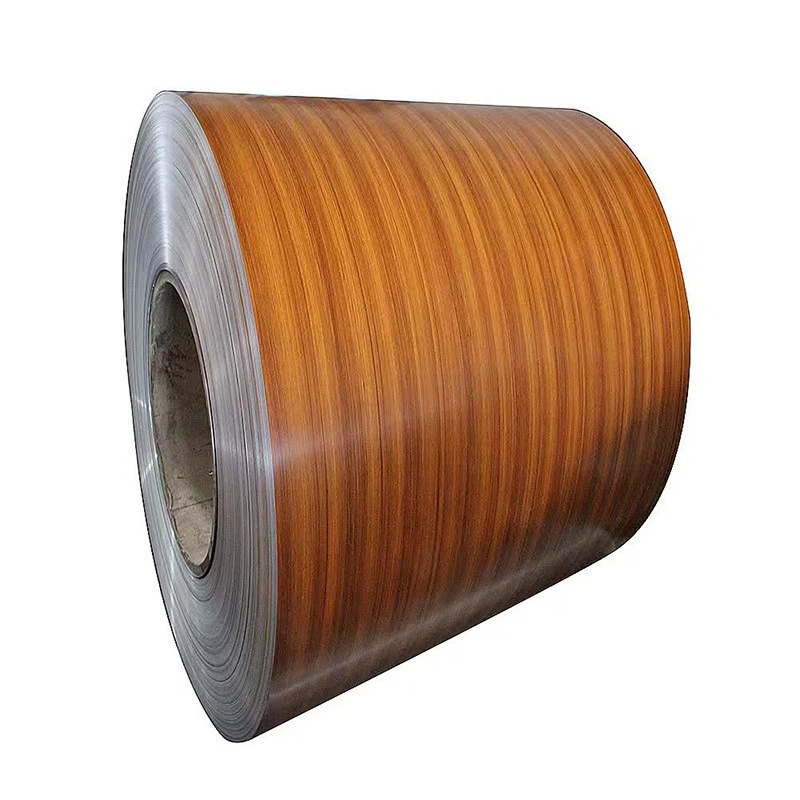
The topcoat is the outermost layer of the aluminum paint coil and is responsible for the aesthetic appearance and the final performance of the product. Topcoats are formulated with a variety of resins, pigments, solvents, and additives.
Resins used in topcoats can include polyester, fluorocarbon, and acrylic resins. Polyester resins are commonly used due to their good balance of cost, durability, and weather resistance. They are suitable for general - purpose applications, such as interior wall cladding and automotive trim. Fluorocarbon resins, on the other hand, offer superior weather resistance, UV resistance, and color retention. They are often used in high - end architectural applications, such as exterior facades of buildings. Acrylic resins provide good gloss and color clarity, making them suitable for applications where a high - quality finish is required.
Pigments in the topcoat are used to provide the desired color and to enhance the aesthetic appeal of the coil. They also play a role in protecting the underlying layers from UV radiation. Solvents are used to dissolve the resins and pigments, allowing for easy application of the topcoat. Additives, such as anti - scratch agents, anti - graffiti agents, and leveling agents, are included to improve the performance and appearance of the topcoat.
The topcoat is also applied using a roll - coating method, similar to the primer. The thickness of the topcoat can vary depending on the application and the desired level of protection and appearance. Our Aluminum Sheet Coil comes with a high - quality topcoat that offers excellent color stability and durability.
Backing Coat (Optional)
In some cases, a backing coat is applied to the backside of the aluminum paint coil. The backing coat serves several purposes. It can provide additional corrosion protection to the backside of the substrate, especially in environments where the coil is exposed to moisture or chemicals. It can also improve the handling and processing of the coil during installation.
The composition of the backing coat is similar to that of the primer, but it may be formulated with different resins and additives depending on the specific requirements. For example, a backing coat may be formulated with a more flexible resin to allow for better bending and forming of the coil during installation.
Surface Treatment
Before the application of the primer and topcoat, the aluminum substrate often undergoes a surface treatment process. This process is essential for improving the adhesion of the coatings and enhancing the corrosion resistance of the coil. Common surface treatment methods include chemical conversion coating and mechanical treatment.
Chemical conversion coating involves the application of a chemical solution to the aluminum surface to form a thin, protective layer. Chromate conversion coatings were widely used in the past due to their excellent corrosion protection properties. However, due to environmental concerns, non - chromate conversion coatings are now more commonly used. These coatings are based on zirconium, titanium, or other environmentally friendly chemicals.
Mechanical treatment, such as sandblasting or brushing, can also be used to roughen the surface of the aluminum substrate. This increases the surface area available for coating adhesion and can improve the overall performance of the coil.
Quality Control
As a supplier of aluminum paint coils, we understand the importance of quality control. Each step of the production process, from the selection of the aluminum substrate to the application of the coatings, is carefully monitored to ensure that the final product meets the highest standards.
We conduct a series of tests on our aluminum paint coils, including adhesion tests, corrosion resistance tests, and color fastness tests. Adhesion tests are used to ensure that the coatings adhere firmly to the substrate and will not peel or flake off during normal use. Corrosion resistance tests are performed to evaluate the ability of the coil to withstand corrosion in different environments. Color fastness tests are used to ensure that the color of the coil remains stable over time, even when exposed to UV radiation and other environmental factors.
Conclusion
In conclusion, the composition of an aluminum paint coil is a complex combination of an aluminum substrate, primer layer, topcoat layer, and optionally a backing coat. Each component plays a crucial role in determining the performance, durability, and aesthetic appeal of the coil. Surface treatment and quality control are also essential steps in the production process to ensure the highest quality product.
If you are interested in purchasing aluminum paint coils for your project, we would be more than happy to discuss your specific requirements. Our team of experts can provide you with detailed information about our products and help you choose the most suitable aluminum paint coil for your application. Contact us today to start the procurement negotiation process and take advantage of our high - quality products and excellent customer service.
References
- ASM Handbook, Volume 13A: Corrosion: Fundamentals, Testing, and Protection. ASM International.
- Aluminum Association. Aluminum Design Manual.
- ISO 12944 - Paints and varnishes -- Corrosion protection of steel structures by protective paint systems.