

When it comes to the world of construction and architecture, the choice of materials plays a pivotal role in ensuring the long - term durability and performance of a structure. Among the various materials available, ACP metal sheets have gained significant popularity in recent years. As a trusted supplier of ACP metal sheets, I often encounter questions from our customers regarding various properties of these sheets, and one question that comes up quite frequently is: "What is the coefficient of thermal expansion of ACP metal sheet?"
Understanding the Coefficient of Thermal Expansion
Before delving into the specifics of the coefficient of thermal expansion (CTE) of ACP metal sheets, it's essential to understand what this term means. The coefficient of thermal expansion is a measure of how much a material expands or contracts when its temperature changes. It is defined as the fractional change in length or volume of a material per unit change in temperature.
Mathematically, the linear coefficient of thermal expansion ((\alpha)) is given by the formula:
(\alpha=\frac{\Delta L}{L_0\Delta T})
where (\Delta L) is the change in length, (L_0) is the original length, and (\Delta T) is the change in temperature.
In the context of construction materials, knowing the CTE is crucial because temperature variations are inevitable. If a material with a high CTE is used in a building without proper consideration, it can lead to problems such as warping, cracking, or even structural failure over time.
Coefficient of Thermal Expansion of ACP Metal Sheets
ACP (Aluminum Composite Panel) metal sheets are composed of two thin aluminum sheets bonded to a non - aluminum core, usually made of polyethylene or a fire - resistant material. The CTE of ACP metal sheets is mainly influenced by the materials used in its construction, specifically the aluminum skins and the core material.
The linear coefficient of thermal expansion of aluminum is approximately (23.1\times10^{-6}/^{\circ}C). The core material, on the other hand, can have a wide range of CTE values depending on its composition. For example, polyethylene, a common core material, has a relatively high CTE of about (150\times10^{-6}/^{\circ}C).
The overall CTE of an ACP metal sheet is a weighted average of the CTEs of its components. Since the aluminum skins are thin but have a relatively high stiffness, they have a significant influence on the overall expansion behavior of the panel. In general, the linear CTE of ACP metal sheets typically ranges from (22\times10^{-6}/^{\circ}C) to (35\times10^{-6}/^{\circ}C). This range can vary depending on factors such as the thickness of the aluminum skins, the type of core material, and the bonding process used to manufacture the panel.
Importance of the CTE in ACP Metal Sheet Applications
The coefficient of thermal expansion is a critical factor to consider when using ACP metal sheets in various applications. Here are some key points highlighting its importance:

Building Facades
One of the most common applications of ACP metal sheets is in building facades. As the exterior of a building is exposed to direct sunlight, it experiences significant temperature variations throughout the day. If the ACP sheets used have a high CTE and are not installed correctly, they may expand and contract unevenly, leading to visible distortions such as waves or bulges on the facade. This not only affects the aesthetic appeal of the building but can also compromise its structural integrity over time.
Interior Design
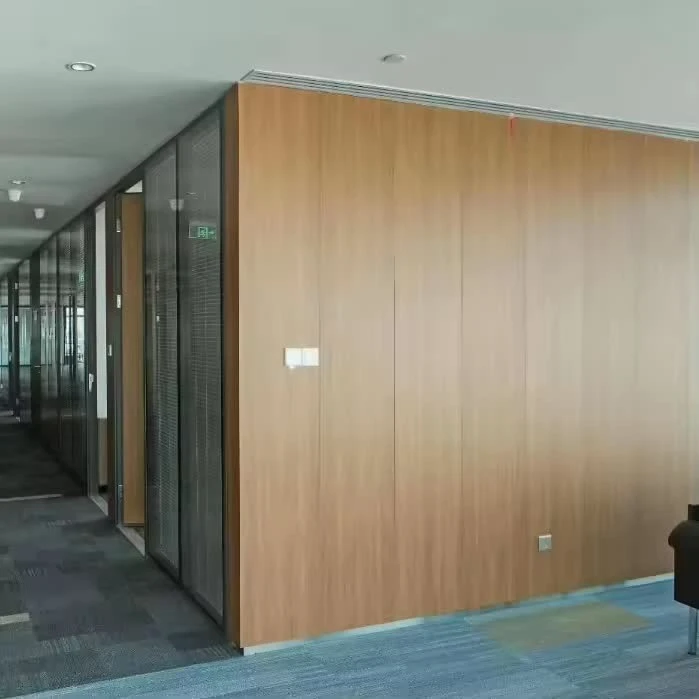
In interior design, ACP metal sheets are used for partitions, cladding, and decorative elements. Although the temperature variations indoors are generally less extreme than outdoors, they still exist. Considering the CTE of ACP sheets in interior applications helps prevent issues such as joint separation or cracking, ensuring that the interior finishes remain in good condition for an extended period.
Signage and Display
ACP metal sheets are also widely used in signage and display applications. These structures are often exposed to outdoor elements, and temperature changes can cause the signs to expand or contract. If the CTE is not taken into account during the design and installation, the signage may become misaligned or damaged, reducing its effectiveness as a visual communication tool.
How Our Company Addresses CTE Concerns
As a leading supplier of ACP metal sheets, we understand the importance of the coefficient of thermal expansion in ensuring the quality and performance of our products. We take several measures to address CTE concerns and provide our customers with reliable ACP solutions:
Quality Control
We source high - quality aluminum and core materials from reputable suppliers. Our strict quality control process ensures that the materials used in our ACP metal sheets have consistent and predictable CTE values. This allows us to provide accurate information to our customers and helps them make informed decisions about their projects.
Installation Guidelines
We offer detailed installation guidelines to our customers, taking into account the CTE of our ACP metal sheets. These guidelines include recommendations on proper joint spacing, fastener selection, and installation techniques to accommodate the thermal expansion and contraction of the panels. By following our installation guidelines, our customers can minimize the risk of issues related to thermal expansion.
Product Customization
We understand that different projects may have different requirements in terms of thermal expansion. That's why we offer product customization services. We can adjust the composition of our ACP metal sheets, such as the thickness of the aluminum skins or the type of core material, to meet the specific CTE requirements of a project.
Our Product Range
In addition to addressing the CTE concerns, we offer a wide range of ACP metal sheets to meet the diverse needs of our customers. Here are some of our popular products:
- Brushed Aluminium Composite Sheet: This type of ACP sheet has a unique brushed finish, which gives it a modern and sophisticated look. It is suitable for both interior and exterior applications, including building facades, interior partitions, and signage.
- Fireproof ACP: Our fireproof ACP sheets are designed to meet the highest fire safety standards. They are an excellent choice for applications where fire resistance is a critical requirement, such as in commercial buildings, hospitals, and schools.
- Marble Aluminum Composite Panel: These panels mimic the appearance of natural marble, providing a luxurious and elegant look at a fraction of the cost. They are ideal for high - end interior design projects, such as hotels, restaurants, and luxury residences.
Conclusion
The coefficient of thermal expansion is an important property of ACP metal sheets that can significantly impact their performance and durability in various applications. As a reliable supplier of ACP metal sheets, we are committed to providing our customers with high - quality products that address the concerns related to thermal expansion. Our focus on quality control, installation guidelines, and product customization ensures that our customers can use our ACP sheets with confidence in their projects.
If you are considering using ACP metal sheets for your next construction, interior design, or signage project and have questions about the coefficient of thermal expansion or any other aspect of our products, we encourage you to reach out to us. Our team of experts is ready to assist you in selecting the right ACP solution for your specific needs and guide you through the procurement process.
References
- ASTM International. (20XX). Standard Test Methods for Linear Thermal Expansion of Solid Ceramics. ASTM C372 - XX.
- ASCE. (20XX). Minimum Design Loads for Buildings and Other Structures. ASCE 7 - XX.
- Manufacturers' product data sheets on ACP metal sheets.