

Pre-coated aluminium is a highly versatile and widely used material in various industries, known for its durability, aesthetic appeal, and cost - effectiveness. As a pre - coated aluminium supplier, I am often asked about the chemical composition of this remarkable product. In this blog post, I will delve into the components that make up pre - coated aluminium, their functions, and how they contribute to the overall performance of the material.
The Aluminium Substrate
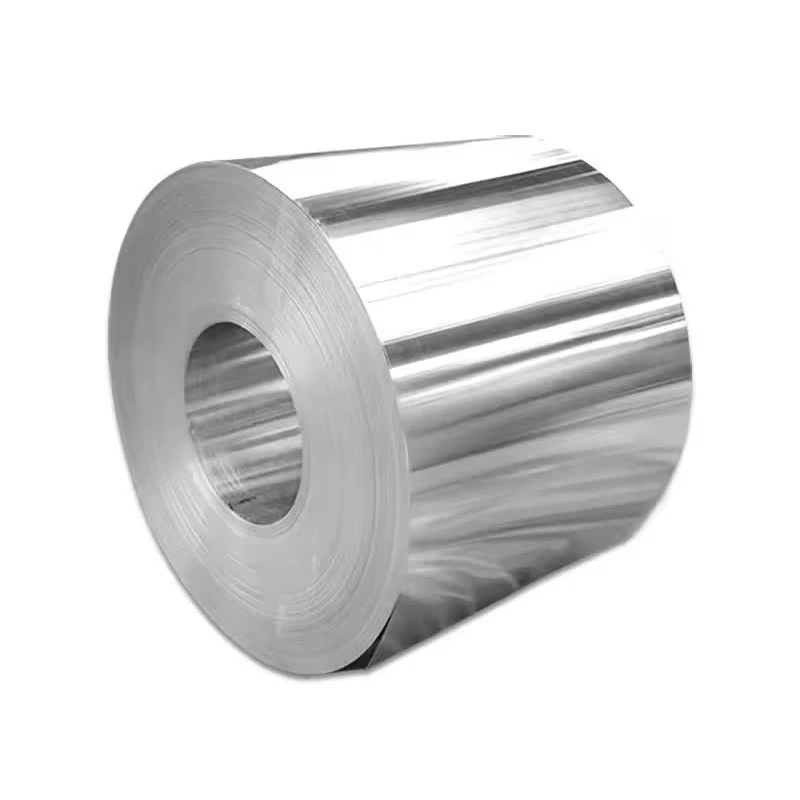
At the core of pre - coated aluminium is the aluminium substrate. Aluminium is a lightweight, malleable, and corrosion - resistant metal. Its atomic number is 13, and it has a chemical symbol of Al. Pure aluminium is relatively soft, so it is often alloyed with other elements to enhance its strength and other properties.
Common alloying elements in aluminium substrates include copper (Cu), manganese (Mn), magnesium (Mg), silicon (Si), and zinc (Zn). Copper can improve the strength and hardness of aluminium alloys, especially in high - strength applications. Manganese helps to increase the corrosion resistance and strength of the alloy. Magnesium is added to improve the formability and weldability of the aluminium, while silicon enhances the fluidity during casting and improves the strength at high temperatures. Zinc can significantly increase the strength of the alloy, making it suitable for structural applications.
The choice of alloy depends on the intended use of the pre - coated aluminium. For example, 3000 - series aluminium alloys, which contain manganese as the main alloying element, are commonly used for roofing and siding due to their good corrosion resistance and formability. 5000 - series alloys, with magnesium as the primary alloying element, are preferred for marine applications because of their excellent corrosion resistance in saltwater environments.
The Coating Layers
The coating on pre - coated aluminium is what gives it its distinctive appearance and additional protective properties. There are typically multiple layers in the coating system, each with its own specific function.
Primer Layer
The primer layer is the first layer applied to the aluminium substrate. It serves as a bonding agent between the substrate and the topcoat, improving adhesion and preventing corrosion. Primers often contain epoxy or polyester resins. Epoxy primers are known for their excellent adhesion and corrosion protection. They form a strong bond with the aluminium surface and provide a barrier against moisture and oxygen, which are the main causes of corrosion. Polyester primers, on the other hand, offer good flexibility and weather resistance, making them suitable for applications where the pre - coated aluminium may be subjected to bending or stretching.
In addition to resins, primers may also contain pigments, fillers, and additives. Pigments are used to provide color and opacity to the primer. Fillers, such as talc or mica, can improve the mechanical properties of the primer, such as hardness and abrasion resistance. Additives, like anti - foaming agents and wetting agents, help to improve the application properties of the primer, ensuring a smooth and uniform coating.
Topcoat Layer
The topcoat is the outermost layer of the pre - coated aluminium, and it is responsible for the material's appearance and weather resistance. There are several types of topcoats available, including polyester, fluoropolymer, and acrylic.
Polyester topcoats are the most commonly used due to their cost - effectiveness and good overall performance. They offer a wide range of colors and gloss levels, and they provide decent weather resistance, making them suitable for general - purpose applications such as building facades, roofing, and interior decoration.
Fluoropolymer topcoats, such as polyvinylidene fluoride (PVDF), are known for their superior weather resistance and durability. PVDF topcoats can withstand extreme weather conditions, including UV radiation, high temperatures, and humidity, without fading, chalking, or cracking. They are often used in high - end applications, such as commercial buildings and landmark structures, where long - term color retention and durability are essential.
Acrylic topcoats provide good gloss and color retention, as well as excellent resistance to chemicals and abrasion. They are commonly used in applications where a high - quality finish is required, such as automotive trim and consumer electronics.
The topcoat may also contain additives to enhance its performance. For example, UV stabilizers are added to protect the coating from the damaging effects of sunlight, while anti - microbial agents can be incorporated to prevent the growth of bacteria and fungi on the surface of the pre - coated aluminium.
The Role of Chemical Composition in Performance
The chemical composition of pre - coated aluminium plays a crucial role in determining its performance in different applications.
Corrosion Resistance
The combination of the aluminium substrate and the coating layers provides excellent corrosion resistance. The aluminium substrate forms a thin oxide layer on its surface, which acts as a natural barrier against corrosion. The primer and topcoat layers further enhance this protection by preventing moisture and oxygen from reaching the substrate. For example, in coastal areas where the air contains high levels of salt, pre - coated aluminium with a corrosion - resistant alloy substrate and a PVDF topcoat can last for decades without significant damage.
Weather Resistance
The topcoat's chemical composition is the key to the pre - coated aluminium's weather resistance. Fluoropolymer topcoats, with their strong carbon - fluorine bonds, are highly resistant to UV radiation, which can cause fading and degradation of the coating over time. Polyester topcoats also offer good weather resistance, but they may require more frequent maintenance in harsh environments.
Formability
The alloy composition of the aluminium substrate affects its formability. Alloys with higher levels of magnesium, such as 5000 - series alloys, are more formable than those with higher levels of copper or zinc. This makes them suitable for applications where the pre - coated aluminium needs to be bent, curved, or shaped, such as in the manufacture of automotive parts and architectural components.
Product Offerings
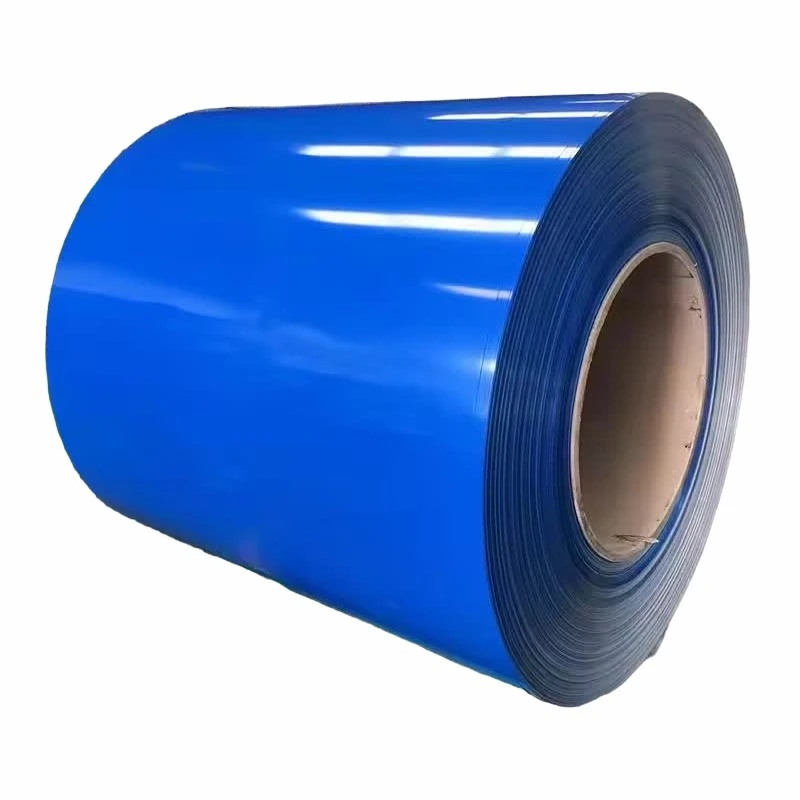
As a pre - coated aluminium supplier, we offer a wide range of products to meet the diverse needs of our customers. Our Prepainted Aluminum Coil is available in various colors and finishes, making it suitable for a variety of applications, from building exteriors to interior design. The pre - painted coating provides excellent color consistency and durability, ensuring a long - lasting and attractive appearance.
Our Aluminum Lacquered Coil features a high - gloss lacquer coating that gives the aluminium a luxurious and sophisticated look. The lacquer coating also provides enhanced protection against scratches and abrasions, making it ideal for high - traffic areas and premium applications.
We also offer Color Aluminum Coil, which comes in a wide selection of vibrant colors. The color coating is applied using advanced technology to ensure uniform color distribution and excellent adhesion. This product is perfect for adding a pop of color to architectural projects and consumer products.
Contact Us for Procurement
If you are interested in purchasing pre - coated aluminium for your project, we invite you to contact us for a detailed discussion. Our team of experts can help you choose the right product based on your specific requirements, including alloy type, coating system, and color. We are committed to providing high - quality products and excellent customer service. Whether you are a large construction company or a small - scale manufacturer, we have the solutions to meet your needs.
References
- ASM Handbook Committee. (2001). ASM Handbook Volume 2: Properties and Selection: Nonferrous Alloys and Special - Purpose Materials. ASM International.
- Davis, J. R. (Ed.). (1993). Aluminum and Aluminum Alloys. ASM International.
- Pohl, R. W. (2005). Introduction to Solid - State Physics. Springer.