

Hey there! As an aluminum coil supplier, I often get asked about the chemical composition of aluminum coils. So, I thought I'd break it down for you in this blog post.
First off, let's talk about the main element: aluminum. Aluminum (Al) is the star of the show in aluminum coils. It usually makes up the majority of the coil's composition, often more than 90%. Aluminum is a lightweight, corrosion - resistant metal. It's got this amazing ability to form a thin, protective oxide layer on its surface when exposed to air. This oxide layer acts as a shield, preventing further corrosion and making aluminum coils suitable for a wide range of applications, from construction to automotive parts.

But aluminum coils aren't just pure aluminum. They also contain other elements that are added to enhance certain properties. One of the common alloying elements is copper (Cu). Copper can improve the strength and hardness of the aluminum coil. When you need a coil that can withstand more stress, like in some structural applications, a bit of copper in the mix can make a big difference. Usually, the copper content in aluminum coils can range from about 0.1% to 5%, depending on the specific alloy.
Magnesium (Mg) is another important alloying element. It's known for increasing the strength - to - weight ratio of the aluminum coil. Magnesium is light, just like aluminum, so when you add it to the mix, you're not adding much extra weight but getting a significant boost in strength. You'll often find magnesium in aluminum coils used in the aerospace industry, where every ounce counts. The magnesium content can be anywhere from 0.2% to 10%.
Silicon (Si) is also frequently added to aluminum coils. Silicon helps improve the fluidity of the aluminum during the casting process. This means that the molten aluminum can be poured more easily into molds, resulting in better - formed coils. It also enhances the wear resistance of the coil. Silicon content can vary from 0.1% to 13%, depending on the requirements of the final product.
Manganese (Mn) is used to increase the strength and corrosion resistance of the aluminum coil. It also helps control the grain structure of the aluminum, which can affect its mechanical properties. Manganese content typically ranges from 0.05% to 1.5%.
Zinc (Zn) is sometimes added to aluminum coils to increase their strength. In high - strength alloys, zinc can be present in amounts up to 8%. However, too much zinc can make the coil more prone to corrosion in certain environments, so the amount needs to be carefully controlled.
Iron (Fe) is an element that's often present in aluminum coils as an impurity, but it can also have some beneficial effects. In small amounts, iron can improve the strength of the coil. However, if the iron content is too high, it can lead to the formation of brittle intermetallic compounds, which can reduce the ductility of the coil. Usually, the iron content is kept below 1.5%.
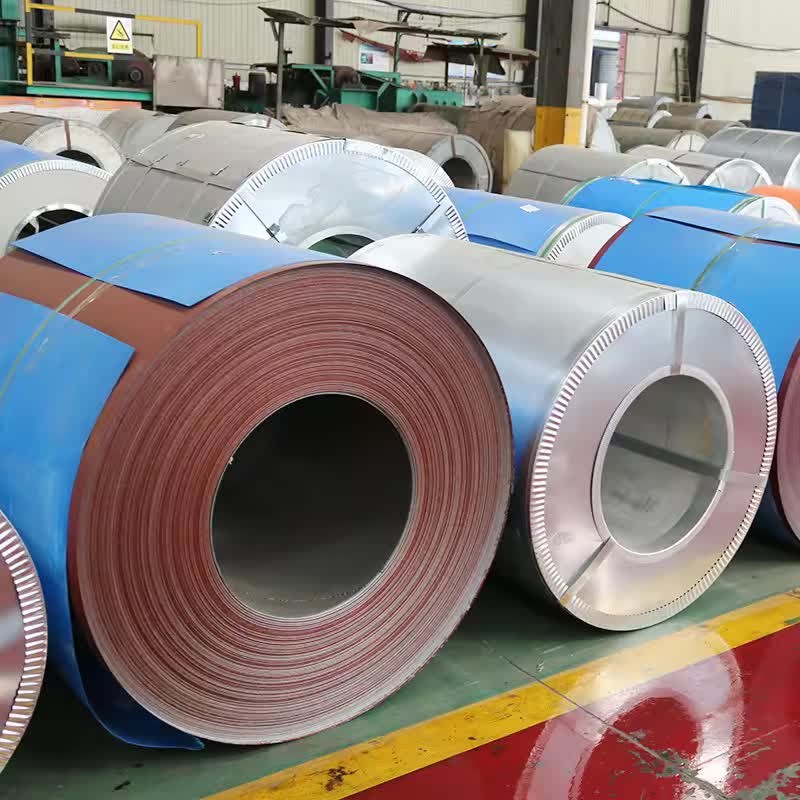
Now, let's talk about some of the products we offer as an aluminum coil supplier. We have Paint Aluminium Coil. These coils come with a painted finish, which not only adds an aesthetic appeal but also provides an extra layer of protection against the elements. The paint can be customized in terms of color and finish, so you can get exactly what you need for your project.
Our Aluminium Coated Roll is another great option. The coating on these rolls can enhance the corrosion resistance, abrasion resistance, and even the electrical properties of the aluminum coil. It's a versatile product that can be used in many different industries.
We also have Coating Aluminum Coil. These coils are specifically designed with a coating that provides superior protection and performance. The coating can be tailored to meet the specific requirements of your application, whether it's for outdoor use or in a high - humidity environment.
The chemical composition of an aluminum coil is carefully engineered to meet the specific needs of different applications. Whether you're looking for a high - strength coil for a structural project or a corrosion - resistant coil for an outdoor application, understanding the chemical composition can help you make the right choice.
If you're in the market for aluminum coils, we'd love to hear from you. We can provide you with coils that are tailored to your exact specifications. Whether you need a small quantity for a prototype or a large order for a major project, we've got you covered. Just reach out to us, and we'll start the conversation about how we can meet your aluminum coil needs.
References:
- ASM Handbook Volume 2: Properties and Selection: Nonferrous Alloys and Special - Purpose Materials
- Aluminum Association Technical Publications
- Textbooks on Metallurgy and Metal Alloys