

As a supplier of Color Aluminium Coil, I've witnessed firsthand the remarkable versatility of this product, especially in the realm of optical fiber material products. In this blog, I'll explore the various application scopes of Color Aluminium Coil in optical fiber materials, highlighting its unique properties and benefits.
1. Protection and Insulation
Optical fibers are delicate and need protection from external factors such as moisture, mechanical stress, and electromagnetic interference. Color Aluminium Coil provides an excellent solution for this. Its corrosion - resistant nature ensures that it can shield optical fibers from moisture, preventing the degradation of the fiber's performance over time.
The aluminum in the coil acts as a physical barrier, protecting the optical fibers from mechanical damage. For example, during installation and transportation, the Color Aluminium Coil can absorb shocks and prevent scratches on the fiber surface. Moreover, aluminum is a good conductor of electricity. When used in optical fiber cables, it can act as a shield against electromagnetic interference (EMI). This is crucial in environments where there are high levels of electromagnetic radiation, such as near power lines or in industrial settings.
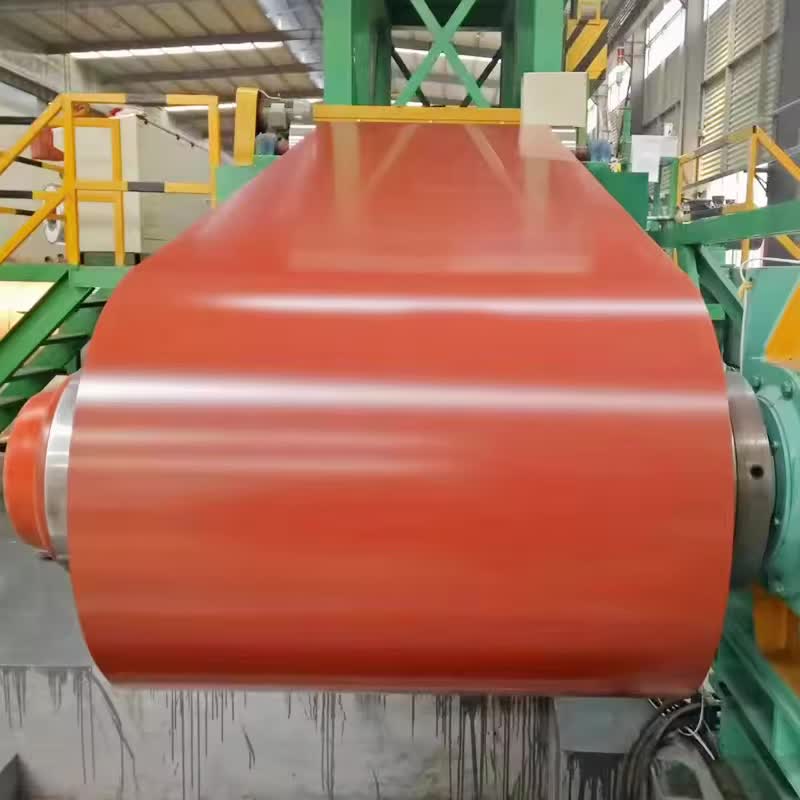
The color coating on the aluminum coil not only enhances its aesthetic appeal but also provides an additional layer of protection. It can resist UV radiation, which is important for outdoor installations of optical fiber cables. The coating can also prevent oxidation of the aluminum surface, further extending the lifespan of the protective layer. You can find more information about Aluminium Coated Roll on our website, which is a similar product with excellent protective properties.
2. Structural Support
In optical fiber cable manufacturing, Color Aluminium Coil can be used to provide structural support. It can be formed into different shapes, such as tubes or sheets, to house the optical fibers. The rigidity of the aluminum coil helps to maintain the shape of the cable, preventing it from being deformed during handling and installation.
For example, in some high - density optical fiber cables, the Color Aluminium Coil is used as an inner support structure. It allows for a more organized arrangement of the optical fibers, reducing the risk of tangling and damage. This is particularly important in data centers and telecommunications networks, where a large number of optical fibers need to be managed efficiently.
The color - coated surface of the coil also makes it easier to identify different types of cables or sections within a cable. This is beneficial for maintenance and troubleshooting purposes. Technicians can quickly distinguish between different cables based on their colors, saving time and effort during repairs. If you are interested in products with similar structural support functions, you can refer to our Aluminum Lacquered Coil.
3. Heat Dissipation
Optical fiber systems can generate heat during operation, especially in high - speed data transmission applications. Excessive heat can affect the performance of the optical fibers and reduce their lifespan. Color Aluminium Coil has good thermal conductivity, which allows it to dissipate heat effectively.
When used in optical fiber enclosures or cabinets, the aluminum coil can act as a heat sink. It absorbs the heat generated by the optical components and transfers it to the surrounding environment. This helps to maintain a stable operating temperature for the optical fibers, ensuring their optimal performance.
The color coating on the coil can also play a role in heat management. Some coatings are designed to have low emissivity, which means they can reflect a significant amount of infrared radiation. This reduces the heat absorption of the coil and further improves its heat dissipation capabilities. For more details on products with heat - dissipation features, you can visit our Coating Aluminum Coil page.
4. Aesthetic and Branding
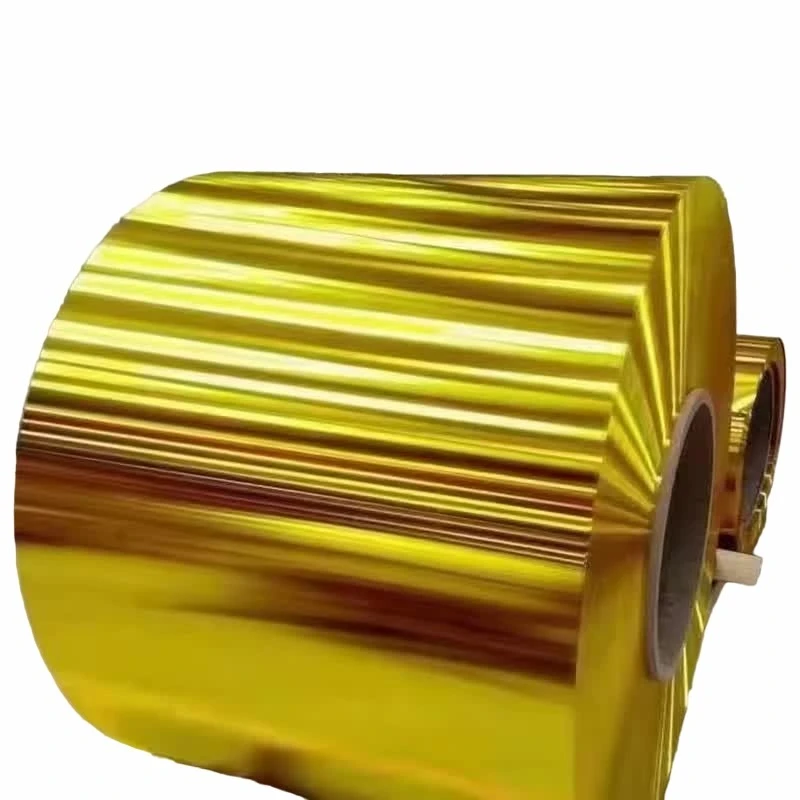
In addition to its functional uses, Color Aluminium Coil can also be used for aesthetic and branding purposes in optical fiber material products. In commercial and public spaces, the appearance of optical fiber installations can be important. The color - coated aluminum coil allows for a wide range of color options, which can be customized to match the surrounding environment or the brand identity of a company.
For example, in a modern office building, optical fiber cables with a sleek and colorful aluminum coating can blend in with the interior design. This not only enhances the overall appearance of the building but also gives a professional and high - tech impression. Companies can also use their brand colors on the aluminum coils to promote their brand identity.
5. Compatibility with Other Materials
Color Aluminium Coil is compatible with many other materials commonly used in optical fiber products. It can be easily bonded or laminated with plastics, polymers, and other insulating materials. This makes it possible to create composite structures that combine the advantages of different materials.
For example, in some optical fiber connectors, the Color Aluminium Coil can be combined with plastic components. The aluminum provides strength and protection, while the plastic offers insulation and flexibility. This combination results in a more reliable and durable connector.
Conclusion
The application scope of Color Aluminium Coil in optical fiber material products is extensive. From protection and insulation to structural support, heat dissipation, and aesthetic purposes, it offers a wide range of benefits. As a supplier, we are committed to providing high - quality Color Aluminium Coil products that meet the diverse needs of the optical fiber industry.
If you are interested in our Color Aluminium Coil products for your optical fiber projects, we invite you to contact us for procurement and further discussions. Our team of experts is ready to assist you in finding the most suitable solutions for your specific requirements.
References
- "Optical Fiber Communication Systems" by Gerd Keiser.
- "Aluminum Alloys: Structure and Properties" by John E. Hatch.