

Hey there! As a supplier of Coating Aluminum Coil, I've had my fair share of questions about how these coatings work to prevent corrosion on aluminum coils. So, I thought I'd dive deep into the anti - corrosion mechanism of the coating on an aluminum coil in this blog.
Let's start with the basics. Aluminum is a reactive metal. When it's exposed to the atmosphere, it forms a thin layer of aluminum oxide on its surface. This oxide layer is naturally protective to some extent. But in harsh environments, like those with high humidity, salt, or chemical pollutants, this natural oxide layer might not be enough to stop corrosion from happening. That's where our coatings come in.
Physical Barrier Protection
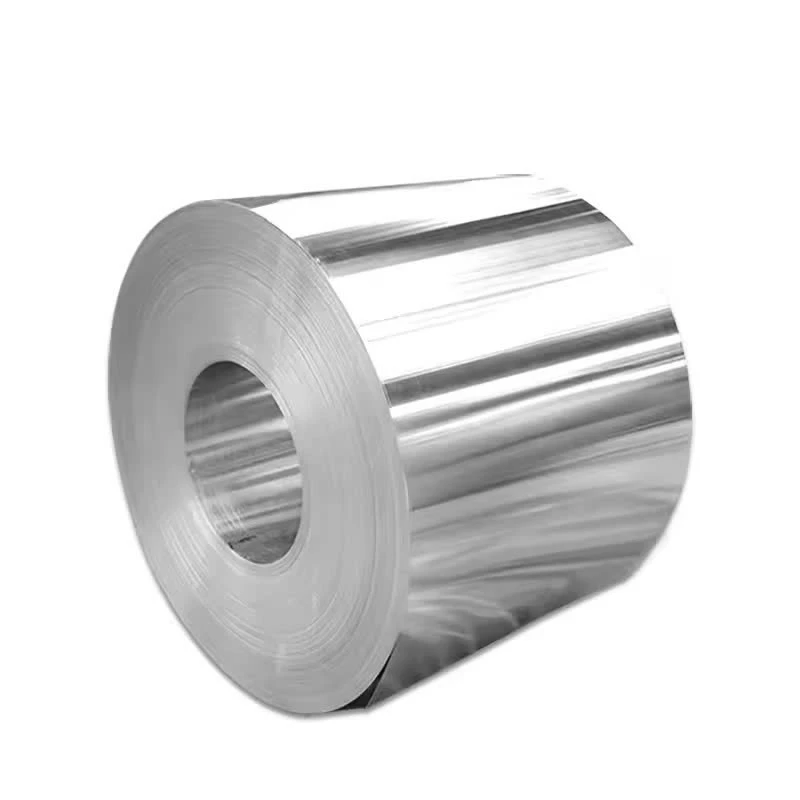
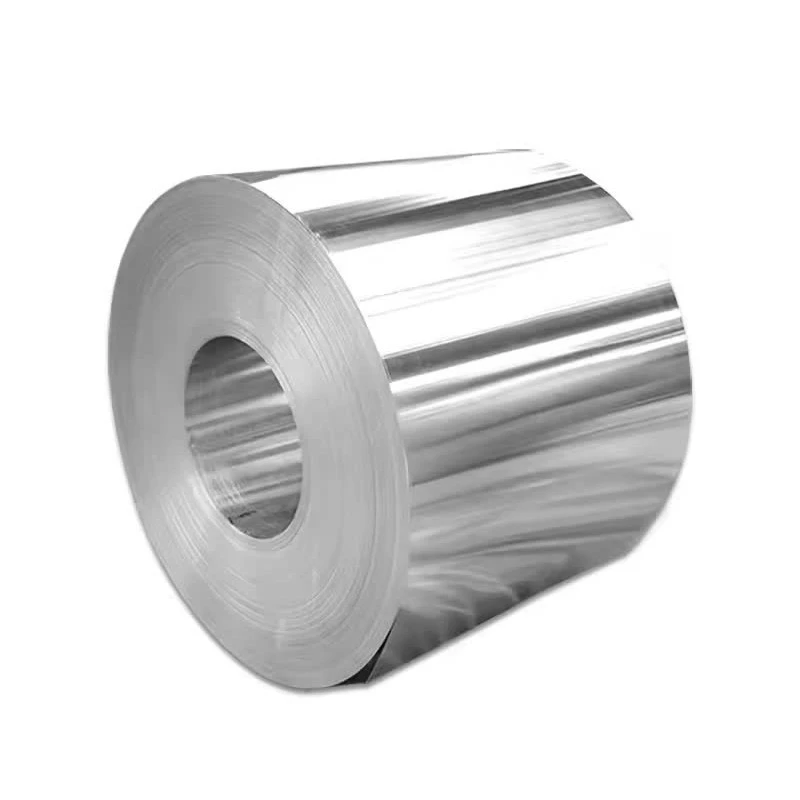
The most straightforward anti - corrosion mechanism of the coating is acting as a physical barrier. The coating on our Aluminium Coated Roll creates a continuous layer between the aluminum surface and the external environment. Think of it like a shield that stops corrosive agents, such as water, oxygen, and salts, from reaching the aluminum.
When water comes into contact with the coated surface, instead of seeping through to the aluminum and causing oxidation, it just sits on top of the coating. The coating's smooth and non - porous nature prevents water molecules from penetrating. Oxygen, another key player in the corrosion process, is also blocked. Without direct access to the aluminum surface, the oxidation reaction that leads to corrosion can't occur.
Our coatings are carefully formulated to have excellent adhesion to the aluminum surface. This strong bond ensures that the coating doesn't peel off easily. Even when the coil is bent, rolled, or subjected to mechanical stress during installation or use, the coating stays intact and continues to provide protection.
Chemical Inhibition
Some of our coatings contain special chemical inhibitors. These inhibitors are like little warriors that actively fight against corrosion. They work in a couple of different ways.
One way is by reacting with the corrosive agents in the environment. For example, certain inhibitors can react with acidic pollutants in the air. When these pollutants come into contact with the coating, the inhibitors neutralize them, preventing them from attacking the aluminum.
Another way is by forming a protective film on the aluminum surface under the coating. This film is made up of compounds that are more resistant to corrosion than the aluminum itself. Once this film is formed, it acts as an additional layer of protection, further reducing the chances of corrosion.
Cathodic Protection
In some cases, we use coatings that provide cathodic protection. This might sound a bit technical, but it's actually pretty interesting. Cathodic protection works by making the aluminum less likely to lose electrons, which is a key step in the corrosion process.
Our coatings contain small amounts of sacrificial metals, like zinc. Zinc is more reactive than aluminum. When the coated aluminum is exposed to an electrolyte (like water with dissolved salts), the zinc in the coating starts to corrode instead of the aluminum. The zinc loses electrons, and these electrons flow to the aluminum, preventing the aluminum from losing its own electrons and corroding.
This sacrificial corrosion of the zinc in the coating is a controlled process. The zinc is gradually consumed, but it does its job of protecting the aluminum for a long time. And once the zinc is mostly gone, the other anti - corrosion mechanisms of the coating, like the physical barrier and chemical inhibition, are still there to keep the aluminum safe.
The Role of Pigments
Pigments in our coatings aren't just for making the Color Aluminium Coil look nice. They also play an important role in anti - corrosion. Some pigments have anti - UV properties. Ultraviolet rays from the sun can break down the coating over time, making it more vulnerable to corrosion. Pigments that block UV rays help to maintain the integrity of the coating.
Other pigments can enhance the coating's physical properties. For example, some pigments make the coating more resistant to abrasion. When the coil is in an environment where it might be scratched or rubbed against other surfaces, the pigment - enhanced coating can withstand the wear and tear without losing its anti - corrosion ability.
Different Types of Coatings and Their Mechanisms
We offer a variety of coatings for our aluminum coils, each with its own unique anti - corrosion mechanism.
Polyester Coatings: These are some of the most commonly used coatings. Polyester coatings provide a good physical barrier. They are relatively easy to apply and have good adhesion to the aluminum. The polyester resin in the coating forms a tough, flexible film that can resist water and oxygen. However, they might not be as resistant to extreme chemical environments as some other coatings.
Fluorocarbon Coatings: Fluorocarbon coatings are known for their excellent durability and anti - corrosion properties. The strong carbon - fluorine bonds in these coatings make them highly resistant to UV rays, chemicals, and weathering. They form a very stable physical barrier that can last for decades. Fluorocarbon coatings are often used in high - end applications, like building facades, where long - term protection is essential.
Epoxy Coatings: Epoxy coatings are great for providing chemical protection. They have good adhesion and can resist a wide range of chemicals. Epoxy coatings can also be formulated to contain chemical inhibitors, which further enhance their anti - corrosion performance. They are often used in industrial environments where the aluminum coils might be exposed to harsh chemicals.
Maintaining the Anti - Corrosion Performance
To make sure our coatings keep doing their job of protecting the aluminum coils, there are a few things to keep in mind. First, proper installation is crucial. The coils should be installed according to the recommended guidelines. This includes making sure the surface is clean and dry before applying the coating, and using the right tools and techniques for installation.
Regular inspection is also important. Check the coated surface for any signs of damage, like scratches or peeling. If you notice any issues, it's best to address them as soon as possible. Small repairs can prevent more serious corrosion problems down the line.
And of course, the environment where the coils are used matters. If the coils are in a very harsh environment, like near the ocean where there's a lot of salt in the air, you might need to choose a more heavy - duty coating.
Why Choose Our Coating Aluminum Coils
Our company has years of experience in the industry. We use the latest technology and high - quality materials to develop our coatings. Our Aluminum Coated Roll products go through rigorous testing to make sure they meet the highest standards of anti - corrosion performance.
We offer a wide range of coating options, so you can choose the one that's best for your specific application. Whether you need a coating for a building facade, a vehicle part, or an industrial equipment component, we've got you covered.
If you're in the market for high - quality Coating Aluminum Coils, I'd love to have a chat with you. We can discuss your needs, recommend the right coating for your project, and provide you with a competitive quote. Don't hesitate to reach out if you have any questions or if you're ready to start a procurement discussion.
References
- Jones, D. A. (1992). Principles and Prevention of Corrosion. Prentice Hall.
- Uhlig, H. H., & Revie, R. W. (1985). Corrosion and Corrosion Control: An Introduction to Corrosion Science and Engineering. Wiley.