

Hey there! As a supplier of Coated Aluminum Roll, I've got a ton of knowledge about these products, especially when it comes to testing methods. In this blog, I'll walk you through the different ways we test Coated Aluminum Roll to ensure top - notch quality.
Visual Inspection
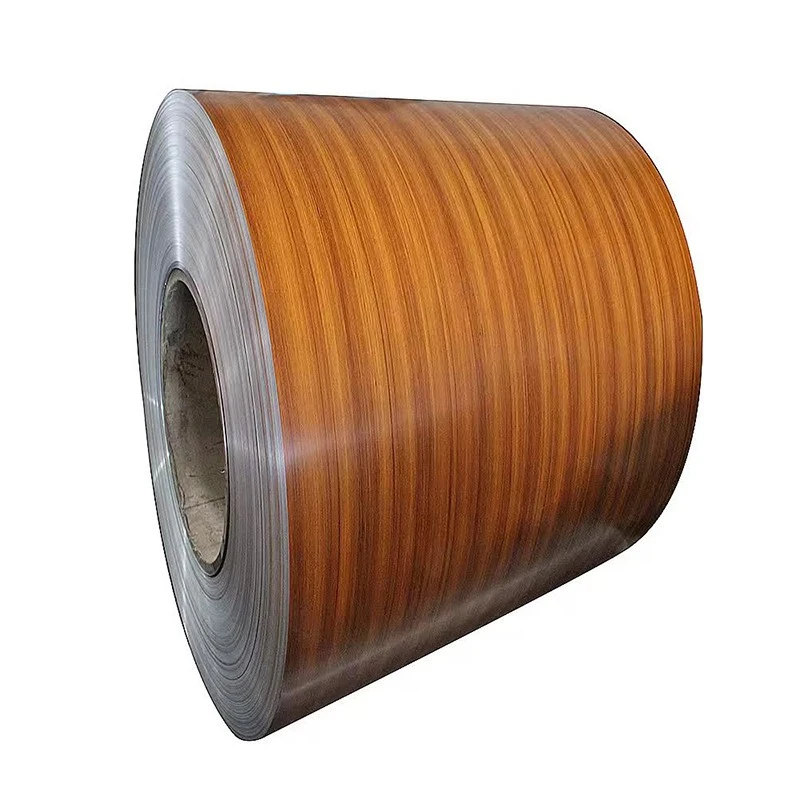
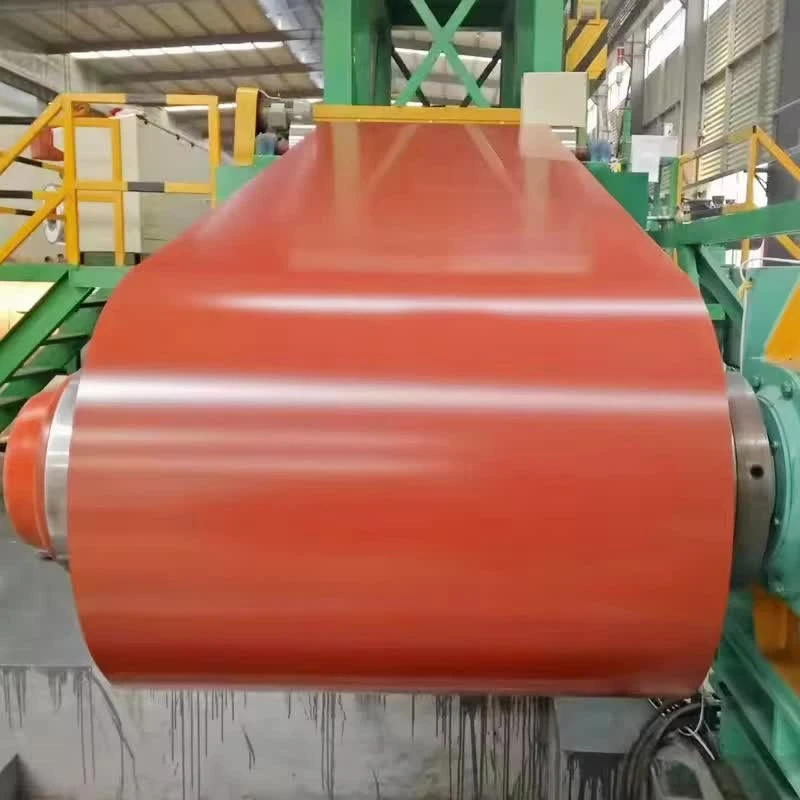
First off, visual inspection is super basic but crucial. We take a good, close look at the Coated Aluminum Roll with our own eyes. We check for any obvious defects like scratches, dents, or uneven coating. A scratch on the surface might not only affect the aesthetics but also compromise the protective function of the coating. If there are dents, it could indicate some issues during the manufacturing or handling process. We look at the color consistency across the roll as well. Any color variations could mean problems with the coating application. It's like when you're buying a new shirt, you'd want it to have a uniform color and no visible flaws, right?
Adhesion Testing
Adhesion is key for a Coated Aluminum Roll. After all, what's the point of having a coating if it doesn't stick well to the aluminum? One common method for adhesion testing is the cross - hatch test. We make a series of parallel cuts in the coating, then make another set of cuts perpendicular to the first ones, creating a grid pattern. After that, we apply a piece of adhesive tape over the grid and then quickly pull it off. If a large amount of the coating comes off with the tape, it means the adhesion is poor.
Another way is the pull - off test. We use a special device to attach to the coating and then gradually pull it off at a controlled rate. The force required to pull the coating off gives us an idea of how well it adheres to the aluminum substrate. Good adhesion ensures that the coating will stay in place for a long time, protecting the aluminum from corrosion and other environmental factors.
Thickness Measurement
The thickness of the coating on the Coated Aluminum Roll matters a great deal. If the coating is too thin, it might not provide sufficient protection. On the other hand, if it's too thick, it could lead to issues like cracking or peeling. There are a few ways to measure the coating thickness.
One method is using a magnetic thickness gauge. This works well for coatings on ferromagnetic substrates. The gauge measures the magnetic field between the probe and the substrate, and based on the change in the magnetic field, it can determine the thickness of the non - magnetic coating.
For non - magnetic substrates, we can use an eddy - current thickness gauge. It creates an eddy current in the conductive substrate, and the interaction between the eddy current and the coating affects the electrical properties, allowing us to measure the coating thickness.
Hardness Testing
The hardness of the coating is also an important factor. A hard coating can resist scratches and abrasion better. One popular hardness testing method is the pencil hardness test. We use pencils of different hardness levels, from 6B (soft) to 9H (hard). We hold the pencil at a 45 - degree angle and try to scratch the coating with it. The hardest pencil that doesn't scratch the coating indicates the hardness of the coating.
Another method is the nanoindentation test. This is a more advanced technique. It uses a very small indenter to make tiny indentations in the coating, and by measuring the force applied and the size of the indentation, we can calculate the hardness of the coating at a microscopic level.
Chemical Resistance Testing
Coated Aluminum Roll is often used in environments where it might come into contact with various chemicals. So, we need to test its chemical resistance. We expose samples of the Coated Aluminum Roll to different chemicals, such as acids, alkalis, and solvents.
We soak the samples in the chemicals for a certain period of time and then check for any changes in the coating. This could include discoloration, swelling, or loss of adhesion. For example, if the Coated Aluminum Roll is going to be used in a chemical plant, it needs to be able to withstand the chemicals present in that environment.
Weathering Resistance Testing
Since Coated Aluminum Roll is often used outdoors, it has to be able to withstand different weather conditions. We have a few ways to test its weathering resistance. One is the natural weathering test. We simply expose the Coated Aluminum Roll samples outdoors for a long time, sometimes for several years. We monitor the changes in the coating, such as color fading, cracking, or loss of gloss.
Another option is accelerated weathering testing. We use special chambers that can simulate different weather conditions, like sunlight, rain, and temperature changes. By subjecting the samples to these accelerated conditions, we can get an idea of how the Coated Aluminum Roll will perform over a long period in real - world outdoor environments in a much shorter time.
Corrosion Resistance Testing
Corrosion is one of the biggest enemies of aluminum. The coating on the Coated Aluminum Roll is supposed to protect it from corrosion. One common corrosion resistance test is the salt spray test. We place the samples in a chamber and spray them with a salt - water solution. The salt spray creates a corrosive environment similar to what the Coated Aluminum Roll might encounter in coastal areas.
We check the samples regularly for signs of corrosion, such as rust spots or blistering. The longer the Coated Aluminum Roll can resist corrosion in the salt spray test, the better its corrosion resistance is likely to be in real - world applications.
As a supplier, we take all these testing methods seriously to ensure that our Painted Aluminum Coil, Aluminium Paint Coil, and Aluminum Paint Roll meet the highest quality standards. If you're in the market for Coated Aluminum Roll, you can be confident that our products have gone through rigorous testing.
If you're interested in our Coated Aluminum Roll products, feel free to reach out to start a purchase negotiation. We're always happy to discuss your specific needs and provide you with the best solutions.
References
- ASTM International standards for metal coating testing
- ISO standards related to aluminum and its coatings
- Research papers on advanced coating testing techniques