

Hey there! I'm a supplier of aluminum coils, and I often get asked about what the standards for aluminum coil quality are. In this blog post, I'll share with you the key factors that determine the quality of aluminum coils, and why these factors matter. Whether you're a contractor looking for materials for your next project or a manufacturer in need of high - quality aluminum for your products, this info is going to be super useful.
Chemical Composition
The chemical makeup of an aluminum coil is crucial. Aluminum isn't just one uniform metal; it often comes mixed with other elements like copper, magnesium, silicon, and zinc. These alloying elements are added in specific percentages to enhance certain properties of the aluminum. For instance, adding magnesium can increase the strength of the coil, making it more durable and suitable for structural applications.
If the chemical composition is off - balance, it can spell trouble. An excessive amount of an alloying element might cause the coil to become brittle, which is a huge no - no because a brittle coil can crack easily during fabrication or use. As a supplier, we use advanced testing methods to ensure the chemical composition of our aluminum coils meets the required standards.
Physical Properties
Thickness and Width
The thickness and width of an aluminum coil are basic but very important quality parameters. A consistent thickness across the entire coil is essential. Inconsistent thickness can lead to uneven performance in applications. For example, if you're using the coil for roofing, a thinner spot might be more prone to damage from weather elements.
We measure the thickness of our coils with high - precision gauges at multiple points to guarantee uniformity. The width also needs to be accurate. A coil that is slightly wider or narrower than specified can cause fitting problems during installation.
Surface Quality
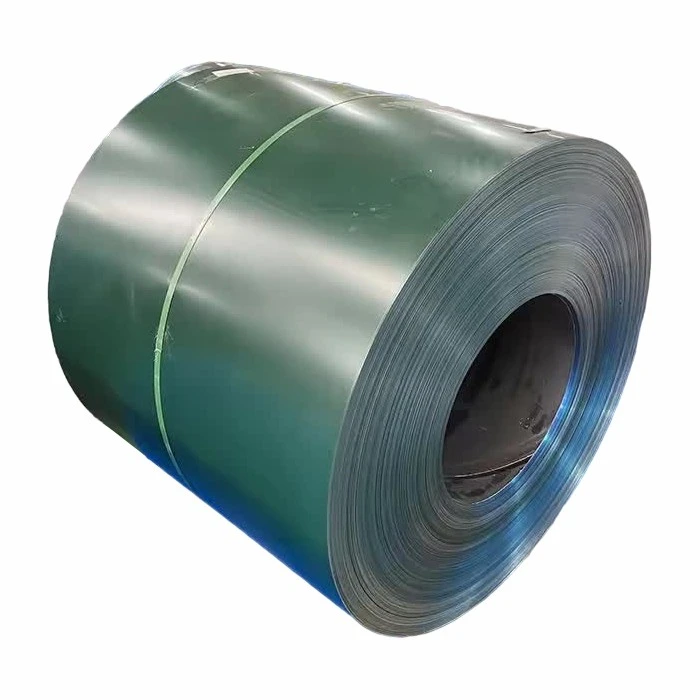
The surface of an aluminum coil should be clean and free of defects. Any scratches, dents, or pits can not only affect the aesthetics of the final product but also its functionality. For exterior applications like building facades or Colored Aluminum Coil, a flawless surface is extremely important as it contributes to the overall look of the building.
To achieve high - quality surfaces, we employ strict production processes. From the initial rolling to the final finishing, we take measures to prevent surface damage. Our operators are trained to handle the coils carefully, and we use protective coatings during transportation to avoid scratches.
Flatness
A flat aluminum coil is easier to work with and provides better results in various applications. If a coil has waves or curls, it can cause problems during cutting, bending, or installation. For example, in the manufacturing of automotive parts, a non - flat coil can lead to misaligned components.
We use advanced leveling equipment to ensure our aluminum coils are as flat as possible. Regular inspections are carried out to detect any flatness issues early on.
Mechanical Properties
Tensile Strength
Tensile strength refers to the maximum amount of tensile (pulling) stress that a material can withstand before breaking. It's a vital property, especially for applications where the aluminum coil will be subjected to heavy loads or stresses. For example, in the construction of bridges or high - rise buildings, high - tensile - strength aluminum coils are required to ensure the safety and stability of the structure.
We test the tensile strength of our coils in our in - house laboratories. By doing so, we can provide our customers with accurate data on the performance capabilities of the coils.
Yield Strength
Yield strength is the stress at which a material begins to deform plastically. In other words, it's the point where the material will not return to its original shape after the stress is removed. Understanding the yield strength is important for applications where the aluminum coil will be bent or formed. If the yield strength is too low, the coil may deform under normal working conditions, leading to premature failure of the product.
Elongation
Elongation measures how much a material can stretch before it breaks. High elongation is desirable in many applications as it indicates the material's ability to be formed without cracking. For example, when making deep - drawn products, an aluminum coil with good elongation properties can be shaped into complex forms without tearing.
Coating Quality
When it comes to Painted Aluminum Coil or Aluminum Coated Roll, the quality of the coating is of utmost importance. A good coating provides protection against corrosion, UV rays, and other environmental factors.
The thickness of the coating needs to be uniform. A thin spot in the coating can expose the aluminum to corrosion, which can significantly reduce the lifespan of the coil. The adhesion of the coating is also critical. If the coating doesn't adhere well to the aluminum surface, it can peel off over time.
We use high - quality coating materials and advanced coating techniques to ensure the durability and appearance of our coated aluminum coils. Our coatings are tested for thickness, adhesion, and resistance to various environmental factors.
Industry Standards and Certifications
Compliance with industry standards and certifications is a clear indicator of the quality of aluminum coils. Standards such as ASTM (American Society for Testing and Materials) set out detailed specifications for the chemical composition, physical, and mechanical properties of aluminum products.
Certifications like ISO (International Organization for Standardization) 9001 for quality management systems show that a company has rigorous quality control processes in place. When you buy from us, you can be confident that our aluminum coils meet or exceed these industry - recognized standards.
Why Quality Matters
You might be wondering, "Why all these fussy standards? Can't I just use a lower - quality coil to save some money?" Well, using low - quality aluminum coils can lead to a host of problems. In the short term, you might face issues during fabrication, like difficulty in cutting or bending. In the long run, the product might fail prematurely, leading to costly repairs or replacements.
For example, if you're using a low - quality aluminum coil for a roofing project, it might start to corrode after a few years, leaving your building vulnerable to water damage. On the other hand, high - quality coils can last for decades, providing reliable performance and peace of mind.
Conclusion
So, there you have it - the main standards for aluminum coil quality. From chemical composition to coating quality, each factor plays a crucial role in determining the performance and durability of the coil. As a supplier, we're committed to providing the highest - quality aluminum coils that meet all these standards.
If you're in the market for aluminum coils and want to ensure you're getting the best quality for your money, I'd love to have a chat with you. Whether you have questions about our products or need help choosing the right coil for your specific application, don't hesitate to reach out. Let's start a conversation and see how we can work together to meet your needs.

References
- ASTM International standards for aluminum products
- ISO 9001 Quality Management System guidelines