

As a supplier of ACM PVDF, I've had numerous inquiries about the radiation - resistance properties of ACM PVDF. In this blog, I'll delve into the details of these properties, providing a comprehensive understanding for those interested in this remarkable material.
Understanding ACM PVDF
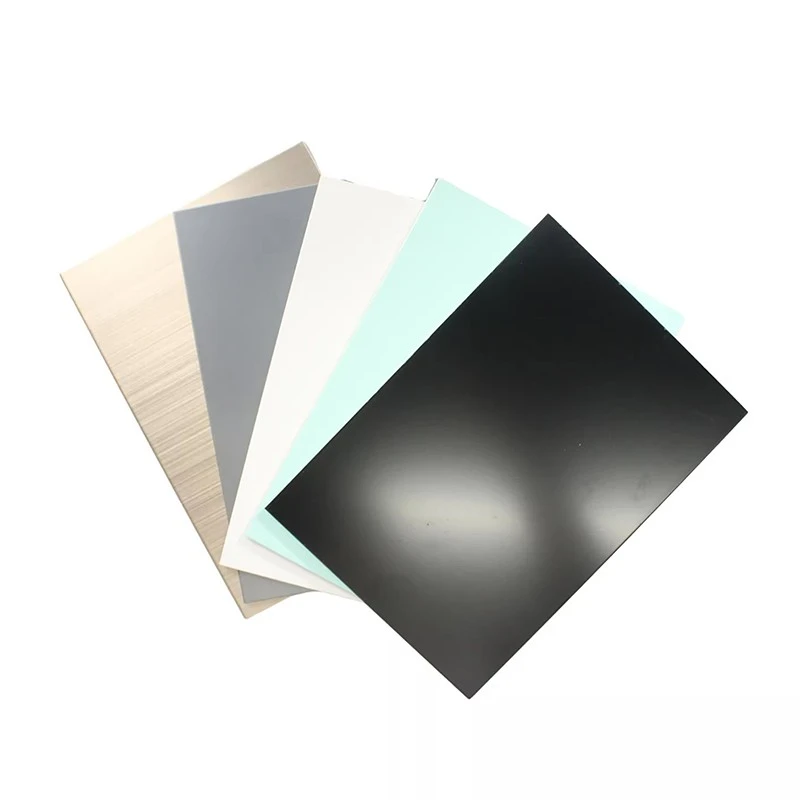
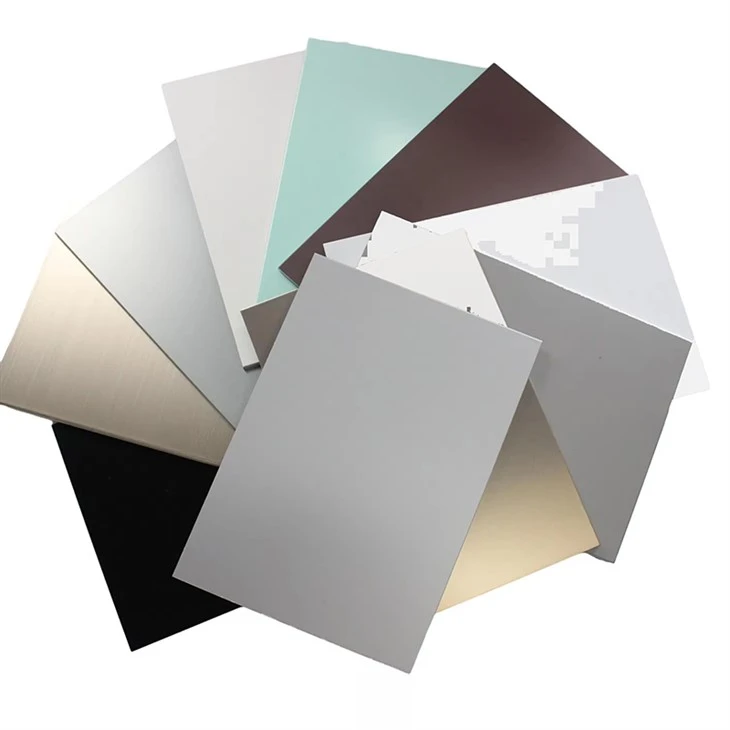
Before we explore its radiation - resistance, let's first understand what ACM PVDF is. ACM stands for Aluminium Composite Material, which consists of two thin aluminium sheets bonded to a non - aluminium core. PVDF, or polyvinylidene fluoride, is a high - performance fluoropolymer. When PVDF is applied as a coating on ACM, it enhances the material's durability, weatherability, and aesthetic appeal.
Radiation - Resistance Mechanisms of ACM PVDF
- Chemical Structure of PVDF
The molecular structure of PVDF plays a crucial role in its radiation - resistance. PVDF has a highly stable carbon - fluorine (C - F) bond. The C - F bond is one of the strongest single bonds in organic chemistry, with a high bond energy. This strong bond makes PVDF resistant to the degradation caused by high - energy radiation. When exposed to radiation, such as ultraviolet (UV) rays or ionizing radiation, the C - F bond can withstand the energy transfer from the radiation, preventing the breakage of the polymer chains. - Shielding Effect
The aluminium layers in ACM also contribute to the radiation - resistance of ACM PVDF. Aluminium is a good conductor of electricity and can act as a shield against electromagnetic radiation. When radiation hits the aluminium surface, part of the radiation is reflected, and part is absorbed and dissipated as heat. This shielding effect reduces the amount of radiation that reaches the PVDF coating and the core material of the ACM. - Coating Integrity
The PVDF coating on ACM forms a continuous and dense film. This film acts as a physical barrier, preventing radiation from penetrating into the underlying material. The high cross - linking density of the PVDF coating further enhances its integrity. Even under long - term radiation exposure, the coating maintains its structure, protecting the ACM from the harmful effects of radiation.
Testing and Certification of Radiation - Resistance
- UV Resistance Testing
UV radiation is one of the most common forms of radiation that building materials are exposed to. To test the UV resistance of ACM PVDF, we conduct accelerated weathering tests. Samples of ACM PVDF are placed in a weathering chamber where they are exposed to high - intensity UV light, along with controlled temperature and humidity conditions. After a certain period of exposure, the samples are evaluated for color change, gloss loss, and surface cracking. Our ACM PVDF products have consistently shown excellent performance in these tests, with minimal color change and no significant surface damage. - Ionizing Radiation Resistance Testing
In some specialized applications, ACM PVDF may be exposed to ionizing radiation, such as in medical facilities or nuclear power plants. We conduct ionizing radiation resistance tests in a controlled environment using a radiation source. The samples are exposed to different doses of ionizing radiation, and their mechanical and chemical properties are measured before and after the exposure. Our results indicate that ACM PVDF can maintain its structural integrity and performance even under relatively high doses of ionizing radiation.
Applications Benefiting from Radiation - Resistance
- Exterior Building Cladding
ACM PVDF is widely used as exterior building cladding. The radiation - resistance properties are essential in this application because the building facades are constantly exposed to sunlight, which contains UV radiation. The ability of ACM PVDF to resist UV radiation ensures that the building cladding retains its color and appearance over a long period. For example, many modern commercial buildings use ACM Aluminum Composite Panel with PVDF coating, giving them a sleek and durable look. - Interior Applications
In interior applications, such as Aluminium Composite Panel for Interior, the radiation - resistance of ACM PVDF also plays a role. Although the interior is not exposed to direct sunlight, there may be artificial light sources that emit UV radiation. The PVDF coating can protect the panel from the potential damage caused by these light sources, maintaining the quality of the interior decoration. - Specialized Environments
In environments where there is a risk of ionizing radiation, such as hospitals and research laboratories, ACM PVDF can be used for wall partitions and equipment enclosures. Its radiation - resistance properties provide an extra layer of protection for the occupants and the equipment inside these facilities.
Comparison with Other Materials
- Compared to Traditional Paints
Traditional paints often lack the radiation - resistance of PVDF coatings. Paints may fade, crack, or peel under long - term radiation exposure. In contrast, ACM PVDF can maintain its color and finish for decades. For example, a building with a traditional painted facade may need to be repainted every few years, while a building with ACM PVDF cladding can remain in good condition for 20 - 30 years or more. - Compared to Other Composite Materials
Some other composite materials may not have the same level of radiation - resistance as ACM PVDF. For instance, fiberglass - reinforced composites may be more susceptible to UV degradation, leading to surface discoloration and reduced mechanical properties. ACM PVDF offers a more reliable solution in terms of radiation - resistance, making it a preferred choice for many applications.
Maintenance and Long - Term Performance
- Low - Maintenance
Due to its excellent radiation - resistance, ACM PVDF requires minimal maintenance. The PVDF coating is resistant to dirt, stains, and chemical corrosion, in addition to radiation. Regular cleaning with mild soap and water is usually sufficient to keep the ACM PVDF panels looking new. - Long - Term Durability
The combination of radiation - resistance and other performance characteristics of ACM PVDF results in a long - service life. Buildings and structures using ACM PVDF can enjoy decades of reliable performance, reducing the need for frequent replacements and repairs. This long - term durability makes ACM PVDF a cost - effective choice in the long run.
Conclusion
The radiation - resistance properties of ACM PVDF are the result of the unique combination of the chemical structure of PVDF, the shielding effect of aluminium, and the integrity of the coating. Through rigorous testing and certification, we have proven that ACM PVDF can withstand various forms of radiation, including UV and ionizing radiation. This makes ACM PVDF an ideal material for a wide range of applications, from exterior building cladding to specialized environments.
If you are interested in our ACM PVDF products and want to discuss your specific requirements, please feel free to contact us. We are committed to providing high - quality ACM PVDF materials that meet your needs. Whether you are a contractor, an architect, or a building owner, our ACM PVDF products, such as ACP Metal Sheet, can offer you the best solution in terms of radiation - resistance and overall performance.
References
- ASTM G154 - Standard Practice for Operating Fluorescent Ultraviolet (UV) Lamp Apparatus for Exposure of Non - metallic Materials.
- ISO 4892 - 3:2016 - Plastics - Methods of exposure to laboratory light sources - Part 3: Fluorescent UV lamps.
- Reports on ionizing radiation resistance testing of ACM PVDF conducted by our in - house laboratory.