

As a supplier of Color Aluminum Coil, I'm often asked about the mechanical properties of this versatile product. In this blog, I'll delve into the key mechanical characteristics that make color aluminum coil a popular choice in various industries.
Tensile Strength
Tensile strength is one of the most important mechanical properties of color aluminum coil. It refers to the maximum stress that a material can withstand while being stretched or pulled before breaking. Color aluminum coils typically have good tensile strength, which allows them to be used in applications where they need to resist external forces.
The tensile strength of color aluminum coil depends on several factors, including the alloy composition, temper, and thickness of the coil. For example, coils made from high - strength aluminum alloys will generally have higher tensile strength than those made from pure aluminum. Different tempering processes can also significantly affect the tensile strength. A fully hardened temper (such as T6) will result in a higher tensile strength compared to an annealed temper (such as O).
The high tensile strength of color aluminum coil makes it suitable for use in building facades, where it needs to withstand wind loads and other environmental stresses. It can also be used in automotive components, such as body panels, where it must endure the forces associated with vehicle movement and impacts.
Yield Strength
Yield strength is the stress at which a material begins to deform plastically. Once the stress exceeds the yield strength, the material will not return to its original shape when the load is removed. Color aluminum coils have a well - defined yield strength, which is crucial for designers and engineers.
In practical applications, understanding the yield strength helps in determining the maximum load that a color aluminum coil can bear without permanent deformation. For instance, in the construction of lightweight structures, such as pre - fabricated buildings, knowing the yield strength ensures that the coils can support the intended loads without sagging or warping over time.
Similar to tensile strength, the yield strength of color aluminum coil is influenced by alloy type, temper, and thickness. By carefully selecting the appropriate alloy and temper, we can provide color aluminum coils with the desired yield strength for specific applications.
Elongation
Elongation is a measure of the ability of a material to stretch before breaking. It is expressed as a percentage of the original length that the material can be extended. Color aluminum coils generally have good elongation properties, which means they can be formed into various shapes without cracking.
This property is especially valuable in manufacturing processes such as bending, rolling, and stamping. For example, when fabricating decorative elements for interior design, the ability of the color aluminum coil to be bent into complex curves without fracturing is essential. The elongation of color aluminum coil can be adjusted through heat treatment and alloy selection.
Hardness
Hardness is a measure of a material's resistance to indentation, scratching, and wear. Color aluminum coils can have different levels of hardness depending on the manufacturing process and alloy composition.
Harder color aluminum coils are more resistant to surface damage, making them suitable for applications where the surface needs to remain intact and aesthetically pleasing. For example, in outdoor signage, a harder color aluminum coil will be less likely to be scratched by environmental factors such as sand and debris.
On the other hand, softer color aluminum coils may be preferred in applications where ease of forming is more important. They can be more easily shaped into the desired form without requiring excessive force.
Fatigue Resistance
Fatigue resistance refers to the ability of a material to withstand repeated loading and unloading cycles without failure. Color aluminum coils often need to endure cyclic stresses in many real - world applications.
In the aerospace industry, for example, color aluminum coils used in aircraft components are subjected to cyclic stresses during flight. The good fatigue resistance of these coils ensures their long - term reliability and safety. In addition, in automotive parts that experience continuous vibrations, such as suspension components, fatigue resistance is a critical property.
Corrosion Resistance
Although not strictly a mechanical property, corrosion resistance is closely related to the long - term performance of color aluminum coil. The protective paint coating on the color aluminum coil provides an additional layer of defense against corrosion.
The Painted Aluminum Coil and Paint Aluminium Coil options we offer are designed to resist various environmental factors, such as moisture, salt spray, and chemicals. This corrosion resistance helps maintain the mechanical integrity of the coil over time. A corroded coil may experience a reduction in its mechanical properties, such as a decrease in tensile strength and an increase in brittleness.
Impact Resistance
Impact resistance is the ability of a material to absorb energy when subjected to a sudden impact. Color aluminum coils have relatively good impact resistance, which makes them suitable for applications where they may be exposed to accidental impacts.
In the construction of transportation infrastructure, such as railway carriages and shipping containers, color aluminum coils need to withstand impacts during loading, unloading, and transportation. The ability to absorb impact energy without significant damage ensures the durability and safety of these structures.
Applications Based on Mechanical Properties
The unique combination of mechanical properties of color aluminum coil makes it suitable for a wide range of applications. In the architecture and construction industry, its high strength - to - weight ratio, good formability, and corrosion resistance make it an ideal choice for building facades, roofing, and interior decoration. The Color Aluminium Coil can be easily fabricated into different shapes and colors to meet the design requirements of modern buildings.
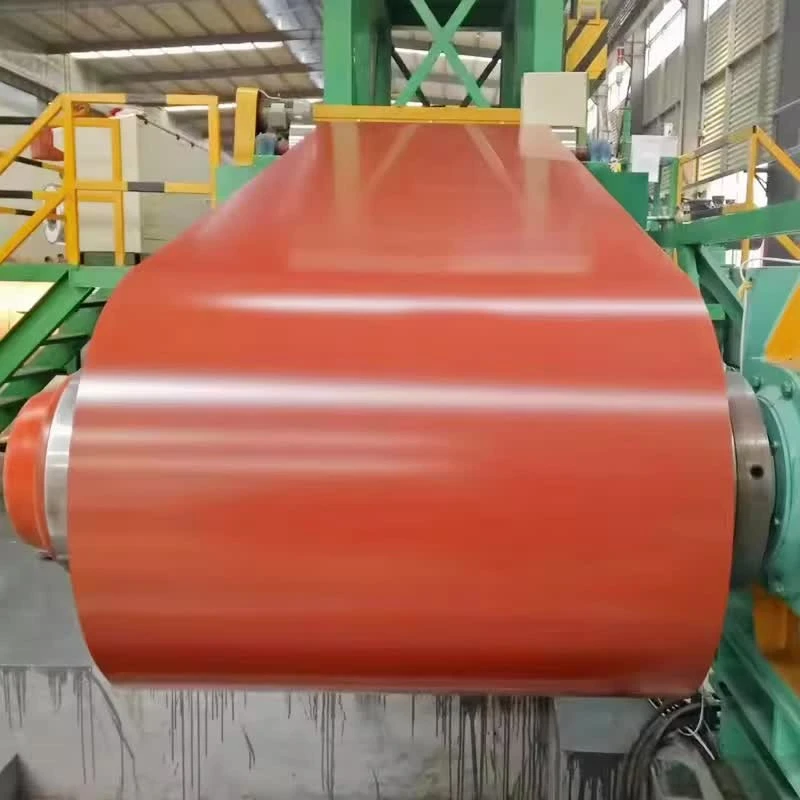
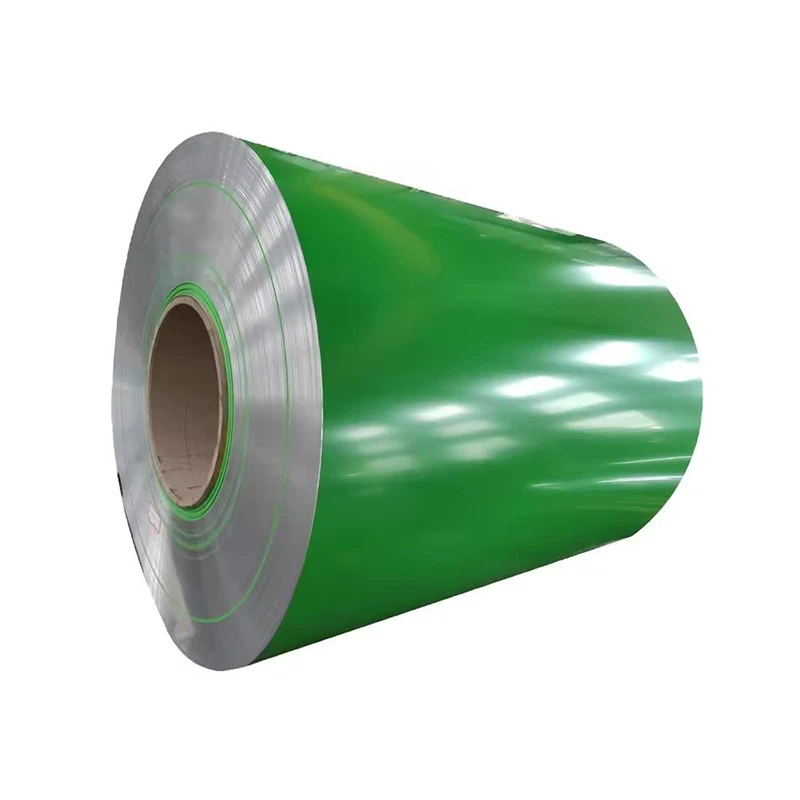
In the automotive industry, color aluminum coils are used for body panels, engine components, and interior trim. Their light weight helps reduce the overall weight of the vehicle, improving fuel efficiency, while their mechanical strength ensures the safety and durability of the car.
In the electronics industry, color aluminum coils are used in the manufacturing of casings for electronic devices. Their good heat dissipation properties, combined with their mechanical stability, make them suitable for protecting sensitive electronic components.
Conclusion
In conclusion, the mechanical properties of color aluminum coil, including tensile strength, yield strength, elongation, hardness, fatigue resistance, corrosion resistance, and impact resistance, play a crucial role in determining its suitability for various applications. As a supplier, we understand the importance of these properties and offer a wide range of color aluminum coils with different mechanical characteristics to meet the diverse needs of our customers.
If you are interested in our color aluminum coil products and would like to discuss your specific requirements, or if you have any questions about the mechanical properties and how they relate to your application, please feel free to contact us for further details and procurement discussions.
References
- ASM Handbook Volume 2: Properties and Selection: Nonferrous Alloys and Special - Purpose Materials.
- Aluminum Association Technical Publications.
- Textbooks on materials science and engineering related to aluminum alloys.