

Pre coated aluminium is a highly versatile and widely used material in various industries, thanks to its excellent formability. As a leading supplier of pre coated aluminium, I have witnessed firsthand the numerous benefits and applications of this remarkable material. In this blog post, I will delve into the formability of pre coated aluminium, exploring the factors that influence it and the various forming techniques that can be employed.
Understanding Pre Coated Aluminium
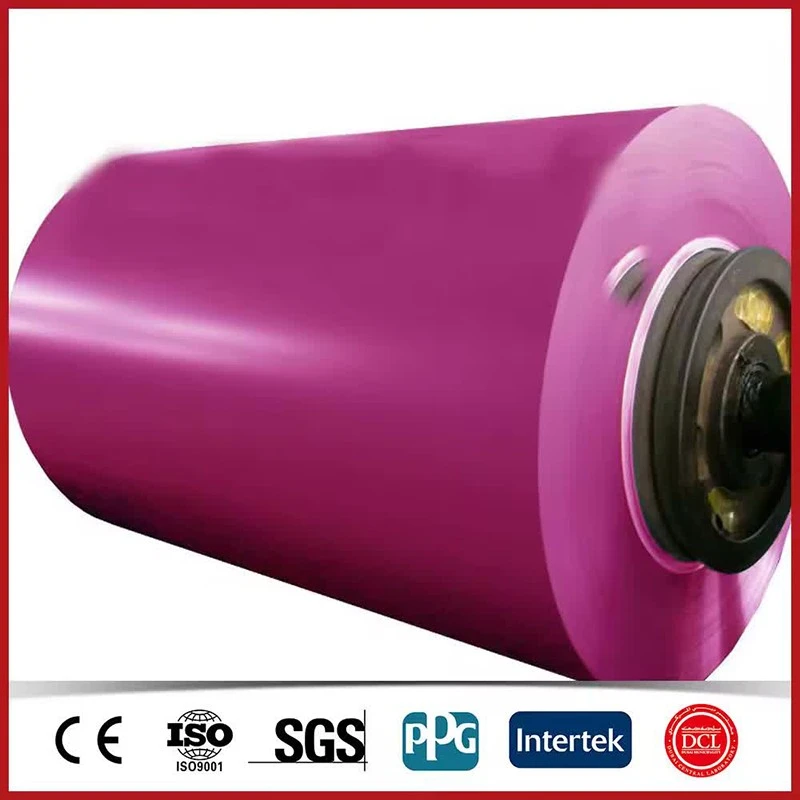
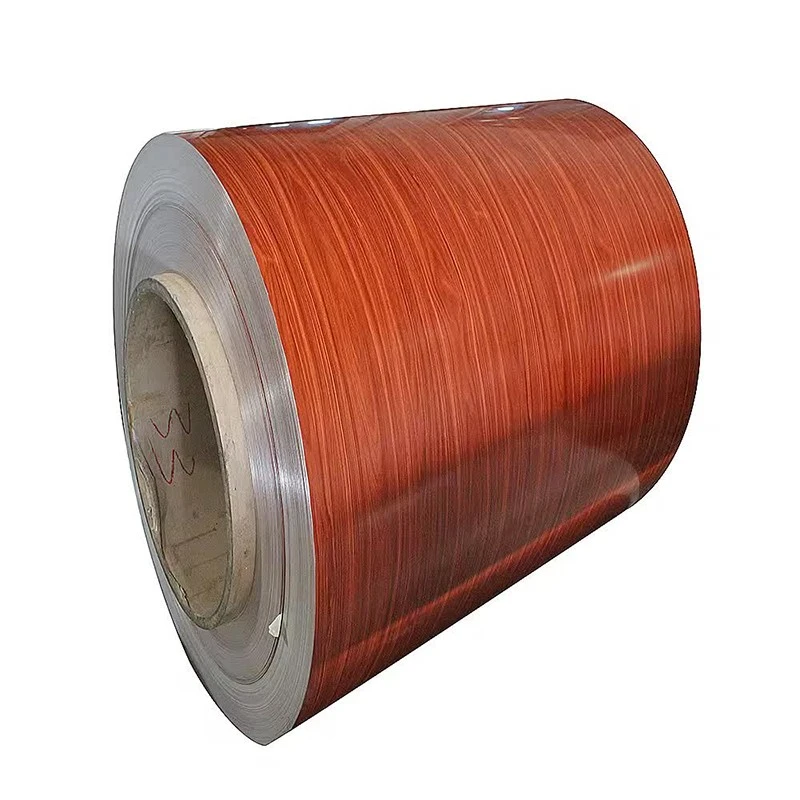
Before we discuss formability, let's first understand what pre coated aluminium is. Pre coated aluminium refers to aluminium sheets or coils that have been pre - painted or pre - finished with a protective coating before further processing. The coatings can range from aesthetic paint finishes to highly durable protective lacquers, offering both visual appeal and enhanced corrosion resistance.
There are different types of pre coated aluminium products available, such as Pre Painted Aluminium, Aluminum Lacquered Coil, and Painted Aluminum Coil. These products are widely used in architecture, automotive, consumer goods, and other industries.
Factors Affecting the Formability of Pre Coated Aluminium
1. Aluminium Alloy Type
The base aluminium alloy plays a crucial role in determining the formability of pre coated aluminium. Different aluminium alloys have different mechanical properties, such as strength and ductility. For example, alloys in the 3xxx series, which contain manganese, are known for their good formability and moderate strength. They are often used in applications where deep drawing or bending is required. On the other hand, alloys in the 5xxx series, which contain magnesium, offer higher strength but may have slightly reduced formability compared to 3xxx series alloys.
2. Coating Properties
The type and properties of the coating applied to the aluminium also impact formability. A flexible and well - adhered coating can withstand the stresses associated with forming processes without cracking, peeling, or delaminating. Coatings with high elongation properties are more suitable for deep drawing or complex forming operations. Additionally, the thickness of the coating can affect formability, as thicker coatings may be more prone to cracking during forming.
3. Temperature
Temperature has a significant effect on the formability of pre coated aluminium. At higher temperatures, the aluminium becomes more ductile, allowing for easier forming. However, it is important to ensure that the coating can withstand the elevated temperatures without degrading. Some coatings may have specific temperature limitations, and care must be taken to stay within these limits during the forming process.
4. Strain Rate
The rate at which the aluminium is deformed during forming, known as the strain rate, can also influence formability. Generally, slower strain rates allow the material and the coating to better accommodate the deformation, reducing the risk of coating damage. Faster strain rates may lead to increased stress on the coating, potentially causing cracking or other defects.
Forming Techniques for Pre Coated Aluminium
1. Bending
Bending is one of the most common forming techniques for pre coated aluminium. It involves deforming the material along a straight axis to create a bent shape. The formability of pre coated aluminium in bending is largely determined by the radius of the bend. A smaller bend radius requires higher ductility from both the aluminium substrate and the coating. To achieve successful bending, it is important to use proper bending tools and techniques to minimize stress on the coating.
2. Deep Drawing
Deep drawing is a process used to form pre coated aluminium into complex three - dimensional shapes, such as cups or boxes. This technique requires high formability from the material, as it involves significant stretching and deformation. The coating must also be able to withstand the large strains associated with deep drawing without cracking or delaminating. Special lubricants may be used during deep drawing to reduce friction and improve the formability of the pre coated aluminium.
3. Roll Forming
Roll forming is a continuous process in which pre coated aluminium is passed through a series of rollers to gradually form it into a desired shape. This technique is well - suited for producing long, straight profiles with a constant cross - section. The formability of pre coated aluminium in roll forming is influenced by the design of the rollers and the speed of the process. The coating must be able to adapt to the gradual deformation without damage.
Applications of Formable Pre Coated Aluminium
1. Architectural Applications
In the architectural industry, formable pre coated aluminium is used for a wide range of applications, including roofing, wall cladding, window frames, and curtain walls. The ability to form the material into various shapes and styles allows architects to create unique and visually appealing buildings. The coatings on pre coated aluminium provide protection against weathering and corrosion, ensuring long - term durability.
2. Automotive Applications
The automotive industry uses pre coated aluminium for components such as body panels, trim, and structural parts. The formability of pre coated aluminium allows for the production of complex shapes that contribute to the overall design and performance of the vehicle. The coatings also enhance the aesthetic appearance of the automotive parts and protect them from scratches and corrosion.
3. Consumer Goods
Pre coated aluminium is also popular in the production of consumer goods, such as appliances, furniture, and electronic enclosures. Its formability enables manufacturers to create products with attractive designs and precise shapes. The coatings provide a durable finish that resists wear and tear, ensuring the longevity of the consumer goods.
Conclusion
The formability of pre coated aluminium is a key factor in its widespread use across various industries. By understanding the factors that influence formability and the appropriate forming techniques, manufacturers can take full advantage of the benefits offered by this versatile material.
As a supplier of pre coated aluminium, we are committed to providing high - quality products with excellent formability. Our team of experts can assist you in selecting the right pre coated aluminium product for your specific application and provide guidance on the best forming techniques to ensure optimal results.
If you are interested in purchasing pre coated aluminium or have any questions about its formability and applications, please feel free to contact us for a detailed discussion. We look forward to working with you to meet your needs.
References
- ASM Handbook Committee. (2002). Forming of Aluminum and Aluminum - Alloys. ASM International.
- Davis, J.R. (2001). Aluminum and Aluminum Alloys. ASM International.
- DIN EN 10209. (2014). Continuously hot - dip coated steel flat products with an aluminium - zinc alloy coating.