

Hey there! As a supplier of painted aluminum coils, I've seen firsthand how the price can fluctuate like crazy. There are a bunch of factors that play into what you end up paying for these coils, and I'm gonna break them down for you.
1. Raw Material Costs
Let's start with the basics - the raw materials. Aluminum is the main ingredient in painted aluminum coils, and its price is a huge factor. The cost of aluminum is influenced by global supply and demand. When the demand for aluminum goes up, like in the construction or automotive industries, the price tends to rise. For example, if there's a big infrastructure project going on around the world, more aluminum is needed for things like building facades and bridges. This increased demand can put pressure on the supply, causing prices to spike.
On the supply side, issues like mining disruptions or production cutbacks can also affect the price. If a major aluminum mine has to shut down due to environmental issues or labor strikes, the supply of raw aluminum will decrease. With less supply available, the price goes up. And since painted aluminum coils are made from this raw aluminum, the cost of production increases, which is then reflected in the price of the final product.
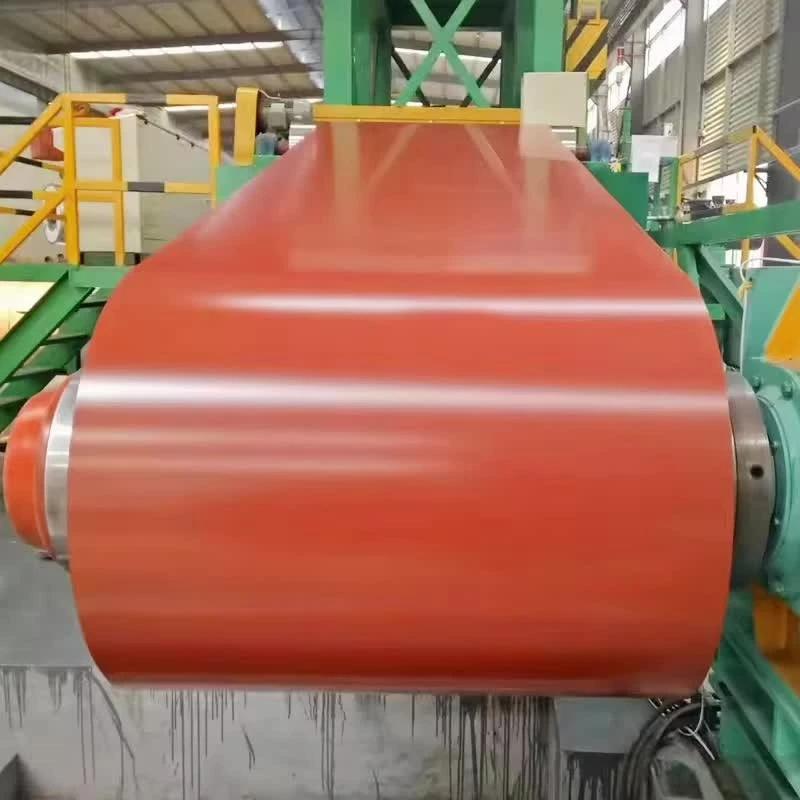
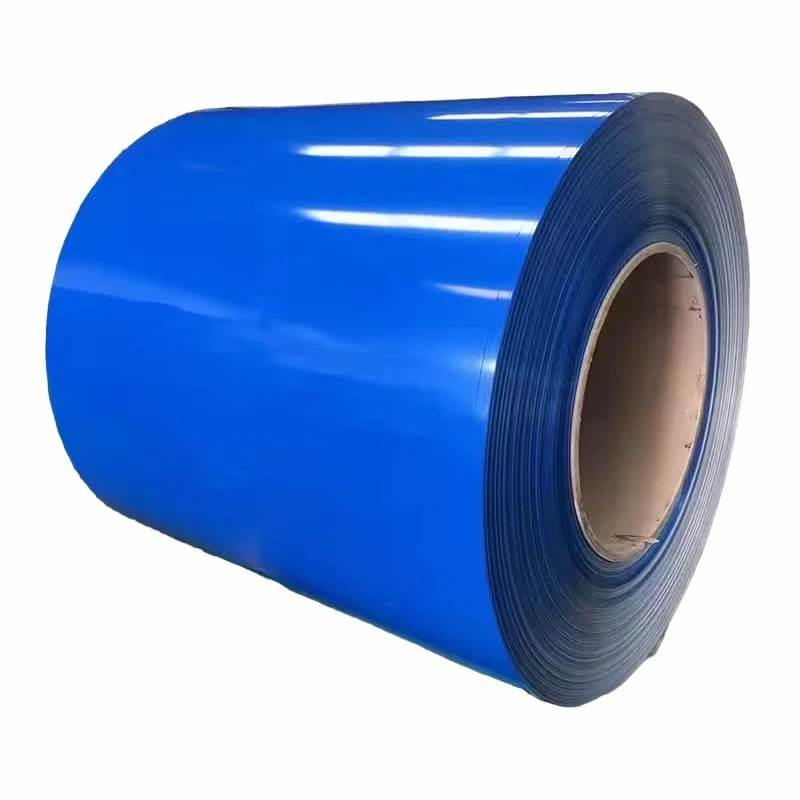
2. Coating Quality and Type
The coating on the aluminum coil is another big deal. There are different types of coatings, each with its own price tag. For example, a basic polyester coating is usually less expensive compared to a high - performance fluorocarbon coating. Polyester coatings are good for general applications where you don't need extreme durability or weather resistance. They offer decent protection against corrosion and UV rays, but they may not last as long as some other coatings.
On the other hand, fluorocarbon coatings are known for their excellent weather resistance, color retention, and durability. They can withstand harsh environmental conditions, such as extreme heat, cold, and saltwater exposure. This makes them ideal for outdoor applications like building exteriors in coastal areas. However, the production process for fluorocarbon coatings is more complex and requires higher - quality raw materials, which drives up the cost.
In addition to the type of coating, the quality of the coating also matters. A high - quality coating will have better adhesion, smoother finish, and more consistent color. It will also provide better protection for the aluminum substrate over time. To achieve this high - quality coating, more precise manufacturing processes and better - quality additives are used, all of which add to the cost.
3. Coil Thickness and Width
The thickness and width of the painted aluminum coil can significantly affect its price. Thicker coils require more raw material, which means higher production costs. For example, if you need a 3 - millimeter thick coil instead of a 1 - millimeter thick one, you're using three times as much aluminum. This extra material cost is passed on to the customer.
Width also plays a role. Wider coils are generally more expensive because they require specialized equipment and more complex manufacturing processes. Producing a wide coil requires more precise control over the coating process to ensure an even application across the entire width. Additionally, wider coils may be more difficult to handle and transport, which can also add to the overall cost.
4. Production Volume
Economies of scale come into play when it comes to the production volume of painted aluminum coils. If you're ordering a large quantity of coils, the cost per unit is usually lower. This is because the fixed costs of production, such as setting up the manufacturing equipment, can be spread over a larger number of units. For example, the cost of calibrating the coating machine and preparing the raw materials is the same whether you're making 100 coils or 1000 coils. When you make more coils, this fixed cost is divided among more products, reducing the cost per coil.
On the other hand, if you're ordering a small quantity, the cost per unit will be higher. The manufacturer still has to cover the fixed costs, but with fewer units to spread them over, each coil ends up costing more. So, if you're looking to save money, ordering in bulk can be a great option.
5. Market Competition
The level of competition in the market can have a big impact on the price of painted aluminum coils. In a highly competitive market, suppliers are constantly trying to undercut each other to win customers. This can lead to lower prices as companies try to offer the best deal. For example, if there are many suppliers in a particular region, they may offer discounts, free shipping, or other incentives to attract buyers.
However, in a less competitive market, where there are only a few suppliers, the prices may be higher. These suppliers have more control over the market and can set prices based on their own production costs and profit margins. They may not feel the need to lower prices as much because there are fewer alternatives for the customers.
6. Transportation and Logistics
Getting the painted aluminum coils from the factory to your doorstep also adds to the cost. The distance of transportation is a major factor. If you're located far away from the manufacturing facility, the shipping costs will be higher. This is because of the fuel costs, tolls, and the time it takes to transport the goods.
The mode of transportation also matters. Shipping by sea is generally cheaper for large - volume orders, especially for international shipments. But it takes longer. On the other hand, air freight is much faster but significantly more expensive. The choice of transportation depends on your urgency and budget.
In addition to the shipping costs, handling and storage fees at the ports or warehouses can also add up. If the coils need to be stored for a long time before delivery, there may be additional storage charges.
7. Customization Requirements
If you have specific customization requirements for your painted aluminum coils, it will increase the price. Customization can include things like special colors, patterns, or sizes. For example, if you need a unique color that is not part of the standard color range, the manufacturer will have to mix a special batch of paint. This requires additional time, labor, and raw materials, which are all factored into the price.
Similarly, if you need a non - standard size of the coil, the manufacturing process may need to be adjusted. This could involve re - calibrating the cutting and rolling equipment, which takes time and may reduce the efficiency of the production line. As a result, the cost of producing these customized coils is higher.
Conclusion
So, there you have it - the main factors that affect the price of painted aluminum coils. As a supplier, I understand that these price fluctuations can be a headache for buyers. But by understanding these factors, you can make more informed decisions when purchasing painted aluminum coils.
If you're in the market for Coated Aluminum Roll, Prefinished Aluminum Coils, or Aluminium Coated Roll, I'd love to have a chat with you. Whether you have questions about the price, the coating options, or customization, I'm here to help. Contact me, and we can discuss your specific needs and find the best solution for your project.
References
- Aluminum Association, "Aluminum Market Trends and Outlook"
- Coating Manufacturers Association, "Coating Technologies and Costs"
- Transportation Research Board, "Logistics and Shipping Costs in the Metal Industry"