

As a seasoned supplier of Aluminum Coil Rolls, I've witnessed firsthand the complexities and nuances of international trade. Export regulations are a critical aspect that every supplier must navigate to ensure smooth transactions and compliance with various countries' laws. In this blog, I'll delve into the key export regulations for Aluminum Coil Rolls, providing insights that can help both suppliers and potential buyers understand the process better.
Understanding the Basics of Aluminum Coil Roll Exports
Aluminum Coil Rolls are versatile products used in a wide range of industries, from construction to automotive. Their export involves a series of steps and regulations that are designed to protect national interests, ensure product quality, and maintain fair trade practices.
One of the first steps in exporting Aluminum Coil Rolls is obtaining the necessary licenses and permits. These documents vary depending on the destination country and the specific type of Aluminum Coil Roll being exported. For instance, some countries may require a certificate of origin to verify the product's country of manufacture. This certificate is crucial as it can affect the product's tariff classification and eligibility for certain trade agreements.
Tariff and Duty Considerations
Tariffs and duties are significant factors in Aluminum Coil Roll exports. Each country has its own tariff schedule, which determines the amount of tax that will be levied on imported goods. These tariffs can vary widely depending on the product's classification, origin, and destination.
It's essential for suppliers to stay updated on the latest tariff rates to accurately price their products and remain competitive in the international market. Additionally, some countries may offer preferential tariff rates under free trade agreements or other trade arrangements. For example, if your Aluminum Coil Rolls are exported to a country with which your home country has a free trade agreement, you may be eligible for reduced or zero tariffs.
Quality and Safety Standards
Another crucial aspect of export regulations is compliance with quality and safety standards. Different countries have their own set of standards for Aluminum Coil Rolls, which may cover aspects such as chemical composition, mechanical properties, and surface finish.
Suppliers must ensure that their products meet these standards before exporting. This may involve conducting regular quality control checks, obtaining relevant certifications, and providing detailed product specifications to the buyers. For example, the European Union has strict regulations regarding the use of certain chemicals in aluminum products, and suppliers exporting to EU countries must ensure that their Aluminum Coil Rolls comply with these regulations.
Documentation Requirements
Exporting Aluminum Coil Rolls requires a significant amount of documentation. This includes commercial invoices, packing lists, bills of lading, and certificates of origin, among others. Each document serves a specific purpose and must be completed accurately to avoid delays or customs issues.
The commercial invoice is a key document that provides details about the product, its value, and the terms of the sale. It is used by customs authorities to determine the appropriate tariff and duty rates. The packing list, on the other hand, provides information about the quantity, weight, and dimensions of the packed goods.
Environmental Regulations
In recent years, environmental regulations have become increasingly important in international trade. Many countries have implemented strict regulations to reduce the environmental impact of aluminum production and use.
Suppliers must ensure that their Aluminum Coil Rolls are produced in an environmentally friendly manner and comply with relevant environmental standards. This may involve using sustainable production methods, reducing energy consumption, and minimizing waste generation. For example, some countries may require suppliers to provide documentation证明 that their products are recyclable or have a low carbon footprint.
Special Considerations for Different Types of Aluminum Coil Rolls
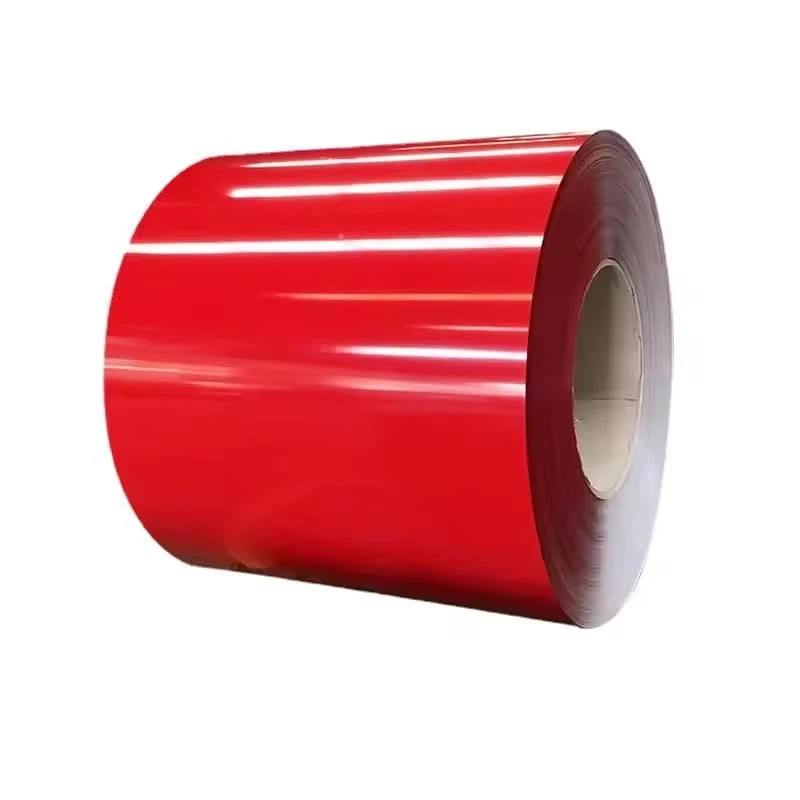
There are several types of Aluminum Coil Rolls available in the market, each with its own unique characteristics and export requirements. For example, Aluminum Paint Coil is coated with a layer of paint to enhance its appearance and corrosion resistance. When exporting Aluminum Paint Coil, suppliers must ensure that the paint used complies with the destination country's environmental and safety regulations.
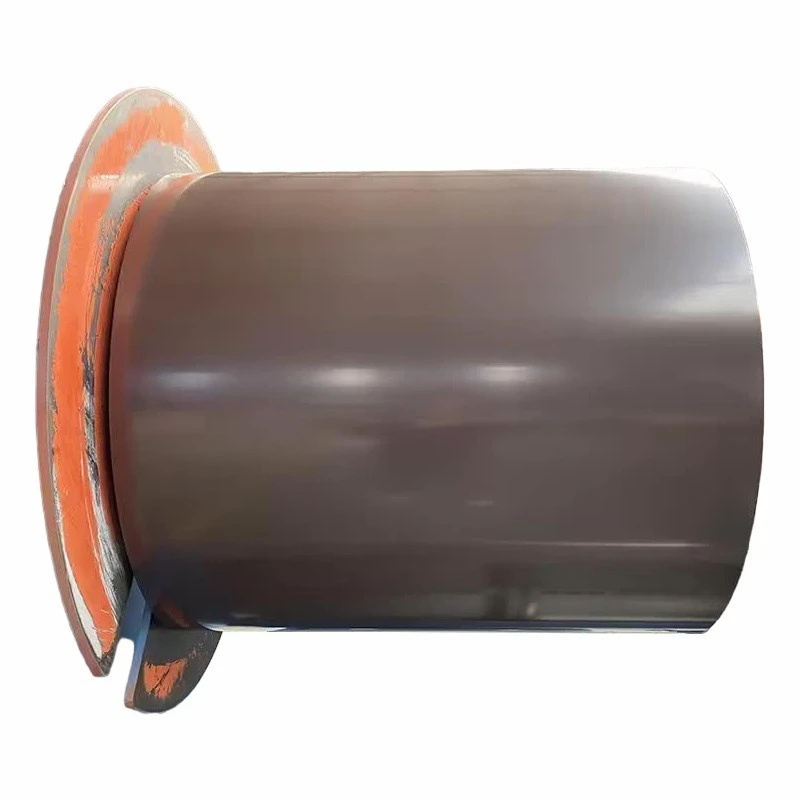
Coating Aluminum Coil is another type of Aluminum Coil Roll that is widely used in various industries. The coating process can involve different materials and techniques, and suppliers must ensure that the coating meets the relevant quality and safety standards.
Aluminium Coated Roll is often used in applications where a high level of corrosion resistance is required. When exporting Aluminium Coated Roll, suppliers must provide detailed information about the coating material and its properties to ensure compliance with the destination country's regulations.
Navigating Export Regulations: Tips for Suppliers
Navigating the complex world of export regulations can be challenging, but with the right approach, suppliers can ensure a smooth and successful export process. Here are some tips to help you stay compliant:
- Stay Informed: Keep up-to-date with the latest export regulations and trade policies in your target markets. This can be done by regularly checking government websites, attending trade seminars, and networking with other industry professionals.
- Build Relationships with Customs Brokers: Customs brokers are experts in handling import and export procedures. They can help you navigate the complex documentation requirements, ensure compliance with regulations, and avoid costly delays.
- Conduct Due Diligence on Buyers: Before entering into a business relationship with a buyer, conduct a thorough background check to ensure that they are reputable and reliable. This can help you avoid potential fraud or payment issues.
- Invest in Quality Control: Maintaining high-quality standards is essential for exporting Aluminum Coil Rolls. Invest in quality control measures to ensure that your products meet the relevant standards and specifications.
Conclusion
Exporting Aluminum Coil Rolls is a complex process that requires careful attention to detail and compliance with various regulations. As a supplier, it's crucial to understand these regulations and take the necessary steps to ensure a smooth and successful export process.
By staying informed, building relationships with customs brokers, conducting due diligence on buyers, and investing in quality control, you can minimize the risks and maximize the opportunities in the international market.
If you're interested in purchasing Aluminum Coil Rolls or have any questions about our products and export regulations, please don't hesitate to contact us. We're here to help you navigate the complexities of international trade and find the right Aluminum Coil Roll solution for your needs.
References
- International Trade Administration. (n.d.). Export Regulations. Retrieved from [Website URL]
- World Trade Organization. (n.d.). Rules of Origin. Retrieved from [Website URL]
- European Union. (n.d.). Regulations on Aluminum Products. Retrieved from [Website URL]