

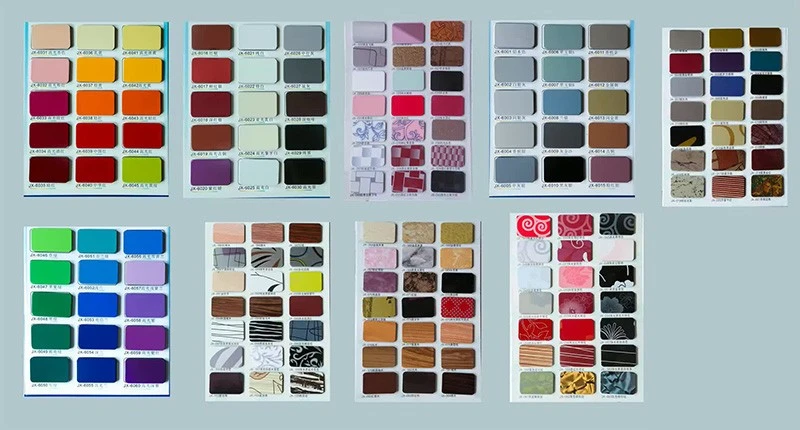
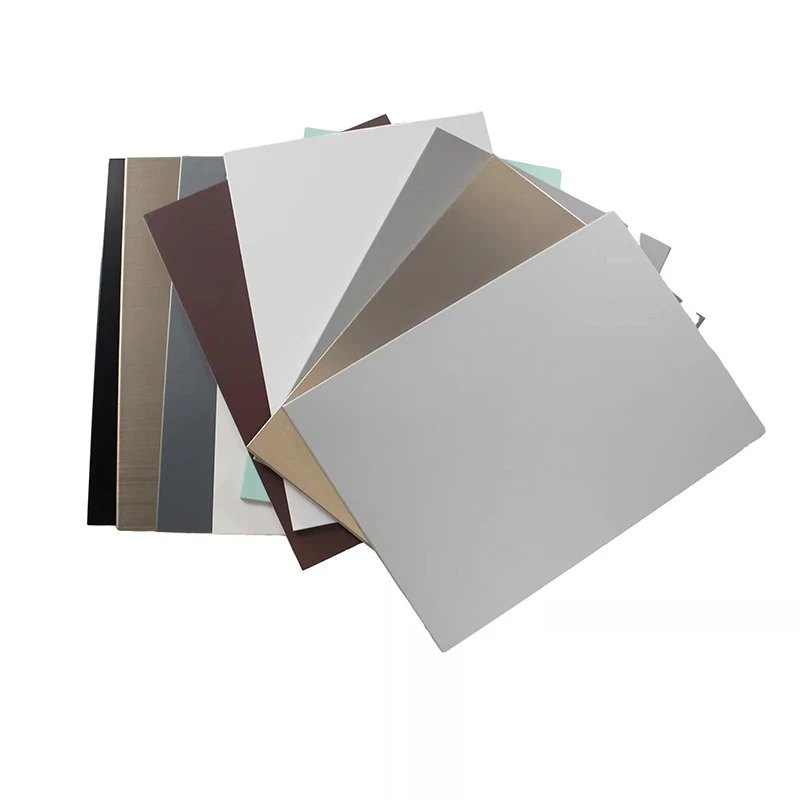
As a supplier of ACP color sheets, I've witnessed firsthand the growing popularity of these versatile materials in various construction and design projects. ACP, or Aluminum Composite Panel, color sheets are widely used for both interior and exterior applications due to their aesthetic appeal, durability, and ease of installation. However, it's essential to understand the environmental impacts associated with these products to make informed decisions. In this blog, I'll delve into the environmental aspects of ACP color sheets, exploring both their positive and negative impacts.
Positive Environmental Impacts of ACP Color Sheets
Durability and Longevity
One of the significant environmental benefits of ACP color sheets is their durability. These panels are designed to withstand harsh weather conditions, UV radiation, and chemical exposure, which means they have a long lifespan. A longer lifespan reduces the need for frequent replacements, thereby conserving resources and reducing waste generation. For example, in exterior applications, ACP color sheets can last for decades without significant degradation, unlike some traditional building materials that may need to be replaced every few years.
Energy Efficiency
ACP color sheets can contribute to energy efficiency in buildings. When used in exterior cladding, they can act as an additional layer of insulation, reducing heat transfer between the interior and exterior of the building. This can lead to lower energy consumption for heating and cooling, resulting in reduced greenhouse gas emissions. Additionally, some ACP color sheets are designed with reflective surfaces that can reflect sunlight, further reducing the heat gain in the building and improving energy efficiency.
Recyclability
Aluminum, which is a primary component of ACP color sheets, is highly recyclable. Recycling aluminum requires significantly less energy compared to producing new aluminum from bauxite ore. According to the Aluminum Association, recycling aluminum saves up to 95% of the energy required to produce primary aluminum. As a supplier, we encourage our customers to recycle ACP color sheets at the end of their useful life to minimize environmental impact. Recycling not only conserves natural resources but also reduces the amount of waste sent to landfills.
Negative Environmental Impacts of ACP Color Sheets
Production Process
The production of ACP color sheets involves several energy-intensive processes, including the extraction and refining of aluminum, the manufacturing of the core material (usually polyethylene or other polymers), and the coating and lamination processes. These processes require large amounts of energy, primarily from fossil fuels, which contribute to greenhouse gas emissions and air pollution. Additionally, the production of some core materials may involve the use of chemicals that can be harmful to the environment and human health if not properly managed.
Waste Generation
Although ACP color sheets are durable and have a long lifespan, they will eventually reach the end of their useful life and need to be replaced. If not properly disposed of, ACP color sheets can contribute to waste generation. The composite nature of these panels, which consists of aluminum sheets bonded to a core material, can make recycling more challenging. In some cases, the panels may need to be separated into their individual components before recycling, which requires additional processing and resources.
Chemical Emissions
Some ACP color sheets may emit volatile organic compounds (VOCs) during their use, especially during the initial installation and curing process. VOCs are chemicals that can evaporate into the air at room temperature and can have negative health effects on humans, including respiratory problems, headaches, and eye irritation. Additionally, some coatings and adhesives used in ACP color sheets may contain heavy metals or other hazardous substances that can leach into the environment if not properly managed.
Mitigating the Environmental Impacts of ACP Color Sheets
Sustainable Production Practices
As a supplier, we are committed to promoting sustainable production practices in the manufacturing of ACP color sheets. This includes using energy-efficient technologies and processes, reducing waste generation, and minimizing the use of harmful chemicals. We work closely with our manufacturers to ensure that they comply with environmental regulations and standards and to encourage the development of more sustainable products.
Recycling and Waste Management
We encourage our customers to recycle ACP color sheets at the end of their useful life. We provide information and resources on recycling options and work with recycling facilities to ensure that the panels are properly recycled. Additionally, we offer take-back programs in some areas to facilitate the collection and recycling of ACP color sheets.
Product Innovation
We are constantly investing in research and development to improve the environmental performance of our ACP color sheets. This includes developing new core materials that are more sustainable and recyclable, as well as coatings and adhesives that have lower VOC emissions. We also offer products with enhanced energy efficiency features, such as reflective surfaces and insulation properties, to help reduce the environmental impact of buildings.
Conclusion
ACP color sheets offer many benefits in terms of aesthetics, durability, and ease of installation. However, it's important to be aware of their environmental impacts and to take steps to mitigate these impacts. As a supplier, we are committed to promoting sustainable practices in the production, use, and disposal of ACP color sheets. By working together with our customers, manufacturers, and recycling facilities, we can minimize the environmental impact of these products and contribute to a more sustainable future.
If you're interested in learning more about our ACP color sheets or have any questions about their environmental performance, please don't hesitate to [initiate a contact to discuss your procurement needs]. We'd be happy to provide you with more information and help you make an informed decision.
For more information on our ACP products, you can visit the following links:
References
- Aluminum Association. (n.d.). Recycling Aluminum. Retrieved from [Aluminum Association Website]
- Environmental Protection Agency. (n.d.). Volatile Organic Compounds (VOCs). Retrieved from [EPA Website]
- International Aluminium Institute. (n.d.). Aluminium Recycling. Retrieved from [IAI Website]