

As a seasoned supplier of Aluminum Coil Rolls, I've witnessed firsthand the diverse applications and benefits of different aluminum alloys in these products. Aluminum coil rolls are used in a wide range of industries, from construction and automotive to packaging and electronics. The choice of alloy can significantly impact the performance, durability, and cost of the final product. In this blog post, I'll explore the different alloys commonly used in aluminum coil rolls, their unique properties, and the applications they are best suited for.
1. 1xxx Series: Pure Aluminum Alloys
The 1xxx series alloys are the purest form of aluminum, with a minimum aluminum content of 99%. These alloys are known for their excellent corrosion resistance, high thermal and electrical conductivity, and good formability. Due to their purity, they have relatively low strength compared to other aluminum alloys.
- Properties:
- High thermal and electrical conductivity, making them ideal for electrical applications such as wiring and heat exchangers.
- Excellent corrosion resistance, especially in non - aggressive environments, which is beneficial for outdoor applications like roofing and cladding.
- Good formability, allowing for easy shaping into various forms, including coils.
- Applications:
- Electrical conductors: The high electrical conductivity of 1xxx series alloys makes them a popular choice for electrical wiring and busbars.
- Heat exchangers: Their excellent thermal conductivity is utilized in the manufacturing of heat exchangers for automotive and industrial applications.
- Packaging: The corrosion resistance and formability make these alloys suitable for food and beverage packaging, such as aluminum foil.
2. 3xxx Series: Manganese - Alloys
The 3xxx series alloys contain manganese as the primary alloying element, typically in the range of 0.9% - 1.5%. Manganese improves the strength of the alloy while maintaining good formability and corrosion resistance.
- Properties:
- Moderate strength: The addition of manganese enhances the strength of the alloy compared to pure aluminum, making it suitable for applications that require more structural integrity.
- Good formability: These alloys can be easily formed into coils, sheets, and other shapes without significant cracking or deformation.
- Corrosion resistance: They have good resistance to general corrosion, similar to pure aluminum, and are often used in outdoor and marine applications.
- Applications:
- Architectural applications: 3xxx series alloys are commonly used in architectural products such as roofing, siding, and gutters due to their moderate strength, formability, and corrosion resistance.
- Automotive components: They are used in the manufacturing of automotive parts, such as fuel tanks and radiator cores, where a combination of strength and formability is required.
- General sheet metal work: These alloys are suitable for a wide range of sheet metal applications, including furniture and appliances.
3. 5xxx Series: Magnesium - Alloys
The 5xxx series alloys contain magnesium as the main alloying element, typically in the range of 2% - 5%. Magnesium significantly increases the strength of the alloy while maintaining good corrosion resistance, especially in marine environments.
- Properties:
- High strength: The addition of magnesium makes these alloys stronger than 1xxx and 3xxx series alloys, making them suitable for applications that require high - strength materials.
- Excellent corrosion resistance: 5xxx series alloys have excellent resistance to corrosion in marine and coastal environments, making them ideal for marine applications.
- Good weldability: They can be easily welded using various welding techniques, which is an important property for many structural applications.
- Applications:
- Marine applications: Due to their excellent corrosion resistance and high strength, 5xxx series alloys are widely used in the construction of boats, ship hulls, and other marine structures.
- Automotive frames: The high strength - to - weight ratio of these alloys makes them suitable for automotive frames and other structural components.
- Pressure vessels: Their strength and weldability make them a good choice for the manufacturing of pressure vessels, such as propane tanks.
4. 6xxx Series: Magnesium - Silicon Alloys
The 6xxx series alloys contain magnesium and silicon as the main alloying elements. These alloys can be heat - treated to achieve high strength, making them one of the most versatile and widely used aluminum alloys.
- Properties:
- High strength after heat treatment: By subjecting the alloy to a heat - treatment process, the strength can be significantly increased, making it suitable for applications that require high - strength materials.
- Good formability: Before heat treatment, 6xxx series alloys have good formability, allowing for easy shaping into various forms.
- Corrosion resistance: They have good resistance to general corrosion and are often used in outdoor and architectural applications.
- Applications:
- Automotive parts: 6xxx series alloys are commonly used in the automotive industry for parts such as engine blocks, wheels, and structural components due to their high strength and good formability.
- Architectural extrusions: They are widely used in the production of architectural extrusions, such as window frames, door frames, and curtain walls, due to their combination of strength, formability, and corrosion resistance.
- Bicycle frames: The high strength - to - weight ratio of these alloys makes them a popular choice for bicycle frames.
5. 8xxx Series: Miscellaneous Alloys
The 8xxx series alloys are a group of miscellaneous alloys that contain various alloying elements, such as lithium, iron, and nickel. These alloys are often developed for specific applications that require unique properties.
- Properties:
- Varying properties: The properties of 8xxx series alloys depend on the specific alloying elements used. Some alloys may have high strength, while others may have excellent heat resistance or low density.
- Applications:
- Aerospace applications: Some 8xxx series alloys, particularly those containing lithium, are used in the aerospace industry due to their high strength - to - weight ratio and excellent fatigue resistance.
- Electronic components: Alloys with good electrical and thermal properties are used in the manufacturing of electronic components, such as heat sinks and printed circuit boards.
Our Product Offerings
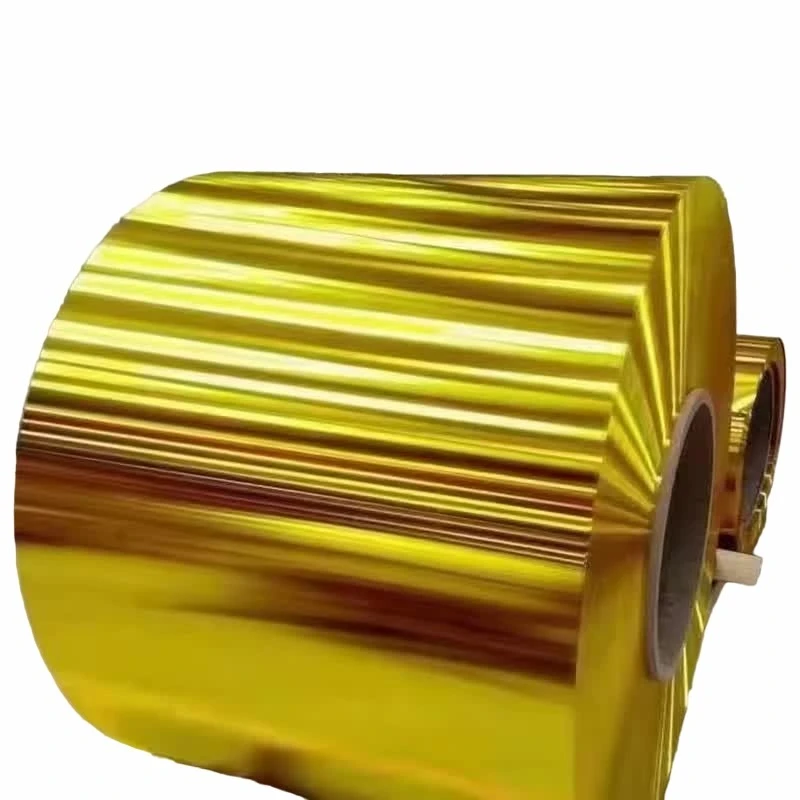
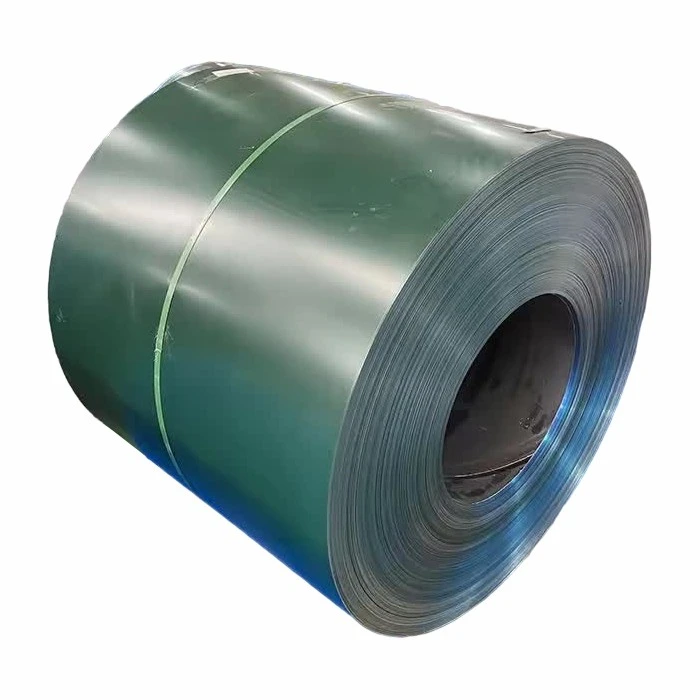
At our company, we offer a wide range of Aluminum Coil Rolls made from different alloys to meet the diverse needs of our customers. Our products include Colored Aluminum Coil, Coating Aluminum Coil, and Aluminium Coated Roll. These products are available in various thicknesses, widths, and finishes to suit different applications.
Conclusion
The choice of alloy for aluminum coil rolls is crucial as it determines the performance, durability, and cost of the final product. Each alloy series has its own unique properties and applications, and understanding these differences can help you make an informed decision when selecting the right aluminum coil roll for your project. Whether you need high - strength materials for automotive applications or corrosion - resistant materials for marine environments, we have the expertise and products to meet your needs.
If you're interested in learning more about our Aluminum Coil Rolls or have specific requirements for your project, please don't hesitate to contact us. Our team of experts is ready to assist you in selecting the right alloy and product for your application. We look forward to the opportunity to work with you and provide you with high - quality aluminum coil rolls that meet your expectations.
References
- Metals Handbook: Properties and Selection - Nonferrous Alloys and Pure Metals, Volume 2, ASM International.
- Aluminum Association: Technical Papers and Publications on Aluminum Alloys.
- Modern Physical Metallurgy and Materials Engineering: Science, Process, Applications, by David Askeland and Pradeep Fulay.