

As a seasoned supplier of Color Aluminum Coil, I've witnessed firsthand the diverse needs and preferences of our clients when it comes to the coating of aluminum coils. Two of the most popular methods are powder coating and liquid coating. In this blog, I'll delve into the differences between powder-coated and liquid-coated color aluminum coils, helping you make an informed decision for your next project.
1. Coating Composition and Application Process
Powder Coating
Powder coating is a dry finishing process that involves applying a free-flowing, dry powder to the surface of the aluminum coil. The powder is typically a mixture of finely ground particles of pigment and resin, which are electrostatically charged and sprayed onto the coil. Once the powder is applied, the coil is heated in an oven. During this heating process, the powder melts, flows, and fuses together to form a smooth, durable finish.
One of the key advantages of powder coating is its efficiency. Since it's a dry process, there's no need for solvents, which reduces the amount of volatile organic compounds (VOCs) released into the environment. This makes powder coating a more environmentally friendly option compared to some liquid coating methods. Additionally, the electrostatic application ensures an even and consistent coating thickness, minimizing the risk of drips, runs, or sags.
Liquid Coating
Liquid coating, on the other hand, involves applying a liquid paint or coating to the aluminum coil. The liquid coating can be applied using various methods, such as spraying, dipping, or rolling. The coating typically consists of a pigment, a resin, and a solvent. The solvent helps to thin the coating and allows it to flow smoothly onto the surface of the coil.
After application, the solvent evaporates, leaving behind a thin film of paint on the coil. Liquid coating offers a wide range of finishes, from high-gloss to matte, and can be customized to achieve specific colors and effects. However, the use of solvents in liquid coating can result in the release of VOCs, which can be harmful to the environment and human health if not properly managed.
2. Appearance and Finish
Powder Coated Color Aluminum Coil
Powder-coated color aluminum coils offer a smooth, uniform finish with excellent color retention. The powder coating process creates a thick, durable layer that resists chipping, scratching, and fading. This makes powder-coated coils ideal for applications where a long-lasting and attractive finish is required, such as architectural facades, window frames, and automotive parts.
Powder coating also offers a wide range of color options, including metallic and specialty finishes. The electrostatic application ensures that the powder adheres evenly to the surface of the coil, resulting in a consistent color and finish across the entire length of the coil.
Liquid Coated Color Aluminum Coil
Liquid-coated color aluminum coils can provide a high-quality finish with a wide range of colors and effects. The liquid coating can be applied in thin layers, allowing for a more precise and detailed finish. This makes liquid coating suitable for applications where a smooth, high-gloss finish is desired, such as consumer electronics, furniture, and signage.
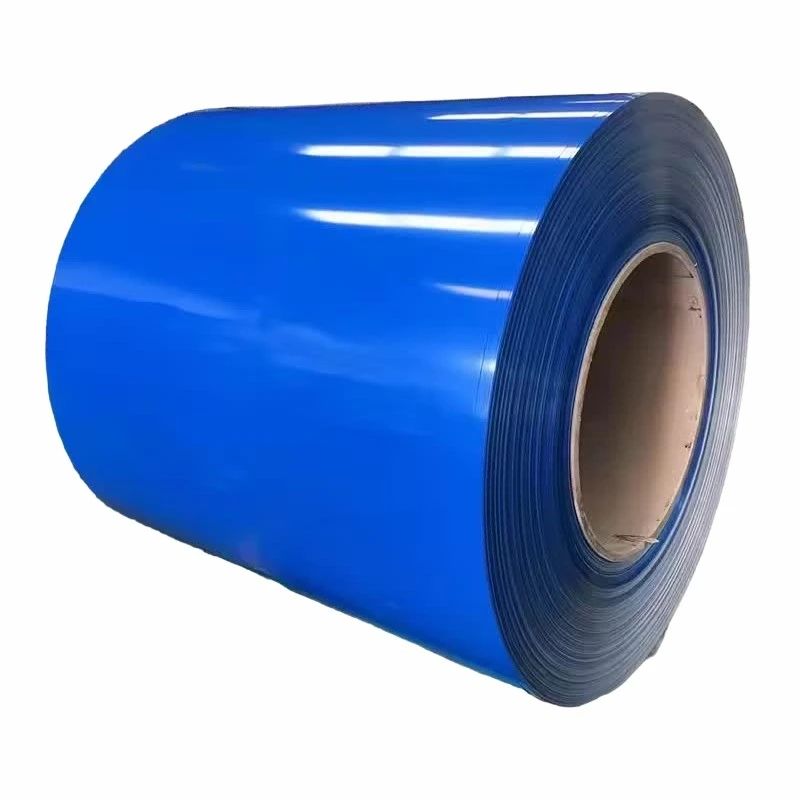

However, liquid coating may be more prone to imperfections, such as drips, runs, or orange peel texture, if not applied correctly. Additionally, the thinner coating layer may be more susceptible to damage from scratches and abrasions compared to powder coating.
3. Durability and Performance
Powder Coated Color Aluminum Coil
Powder-coated color aluminum coils are known for their excellent durability and performance. The thick coating layer provides a high level of protection against corrosion, UV radiation, and environmental contaminants. This makes powder-coated coils suitable for outdoor applications where they are exposed to harsh weather conditions.
Powder coating also offers good chemical resistance, making it resistant to chemicals, solvents, and cleaning agents. This makes powder-coated coils easy to clean and maintain, ensuring a long-lasting and attractive appearance.
Liquid Coated Color Aluminum Coil
Liquid-coated color aluminum coils can also provide good durability and performance, depending on the type of coating used. However, the thinner coating layer may be more vulnerable to damage from corrosion, UV radiation, and abrasion compared to powder coating.
To enhance the durability of liquid-coated coils, additional protective layers or topcoats may be applied. These can provide increased resistance to corrosion, UV radiation, and scratches, extending the lifespan of the coil.
4. Cost Considerations
Powder Coated Color Aluminum Coil
The initial cost of powder coating may be higher than liquid coating due to the equipment and process requirements. Powder coating requires specialized equipment, such as electrostatic spray guns and ovens, which can be expensive to purchase and maintain. Additionally, the powder coating process may require more time and labor compared to liquid coating.
However, powder coating offers long-term cost savings due to its durability and low maintenance requirements. The thick coating layer provides a high level of protection against corrosion and damage, reducing the need for frequent repainting or replacement. This makes powder coating a cost-effective option for applications where a long-lasting and reliable finish is required.
Liquid Coated Color Aluminum Coil
Liquid coating is generally more cost-effective in terms of initial investment. The equipment required for liquid coating is less expensive and more widely available compared to powder coating equipment. Additionally, the liquid coating process is typically faster and requires less labor compared to powder coating.
However, the long-term cost of liquid coating may be higher due to its lower durability and higher maintenance requirements. The thinner coating layer may be more prone to damage from corrosion, scratches, and fading, requiring more frequent repainting or touch-ups.
5. Environmental Impact
Powder Coated Color Aluminum Coil
As mentioned earlier, powder coating is a more environmentally friendly option compared to liquid coating. Since it's a dry process, there's no need for solvents, which reduces the amount of VOCs released into the environment. Additionally, any oversprayed powder can be collected and reused, minimizing waste and reducing the environmental impact.
Powder coating also offers energy savings during the curing process. The ovens used for powder coating typically operate at lower temperatures compared to the drying ovens used for liquid coating, resulting in lower energy consumption.
Liquid Coated Color Aluminum Coil
Liquid coating can have a higher environmental impact due to the use of solvents. The solvents used in liquid coating can release VOCs into the atmosphere, which can contribute to air pollution and have negative health effects. To minimize the environmental impact of liquid coating, it's important to use low-VOC or water-based coatings and to implement proper ventilation and waste management systems.
Conclusion
In conclusion, both powder-coated and liquid-coated color aluminum coils have their own unique advantages and disadvantages. The choice between the two depends on various factors, such as the application requirements, appearance preferences, durability needs, cost considerations, and environmental impact.
As a Color Aluminum Coil supplier, we offer a wide range of powder-coated and liquid-coated color aluminum coils to meet the diverse needs of our clients. Whether you're looking for a long-lasting and durable finish for an architectural project or a high-gloss and attractive finish for a consumer product, we can provide you with the right solution.
If you're interested in learning more about our Color Coating Aluminum Coil, Painted Aluminium Coil, or Painted Aluminum Coil, please feel free to contact us. Our team of experts will be happy to assist you with your procurement needs and provide you with detailed information and samples. Let's work together to find the perfect color aluminum coil for your project.
References
- "Powder Coating vs. Liquid Coating: A Comparison." Finishing.com.
- "The Basics of Powder Coating." Powder Coating Institute.
- "Liquid Coating Processes and Technologies." Society of Manufacturing Engineers.