

When it comes to the world of aluminum products, two commonly used forms are aluminum coils and aluminum sheets. As an aluminum coil supplier, I often encounter customers who are confused about the differences between these two. In this blog post, I will delve into the characteristics, applications, and advantages of aluminum coils and aluminum sheets to help you make an informed decision for your specific needs.
Physical Characteristics
Aluminum Coils
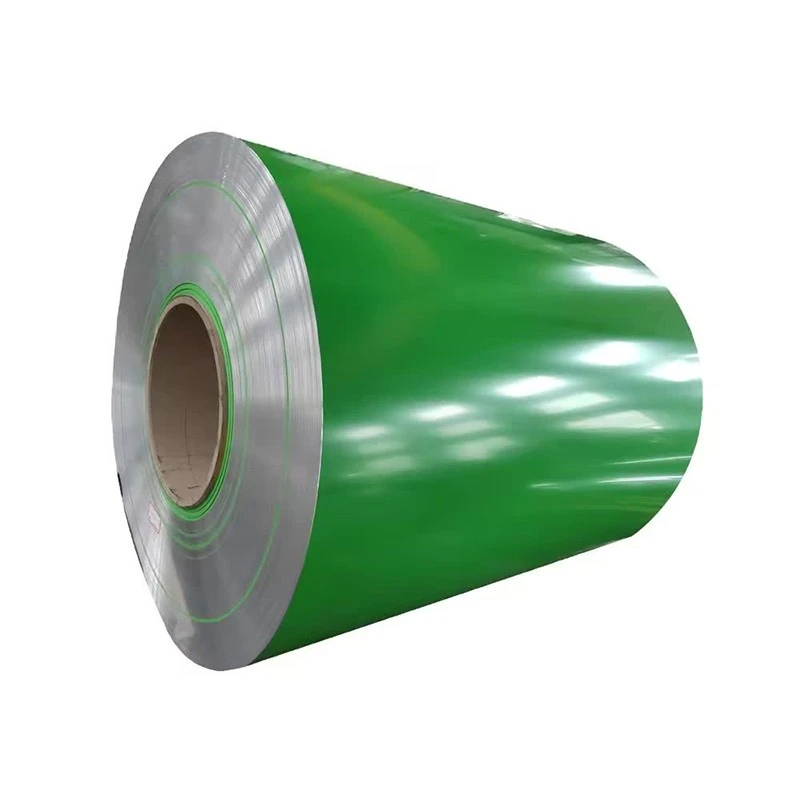
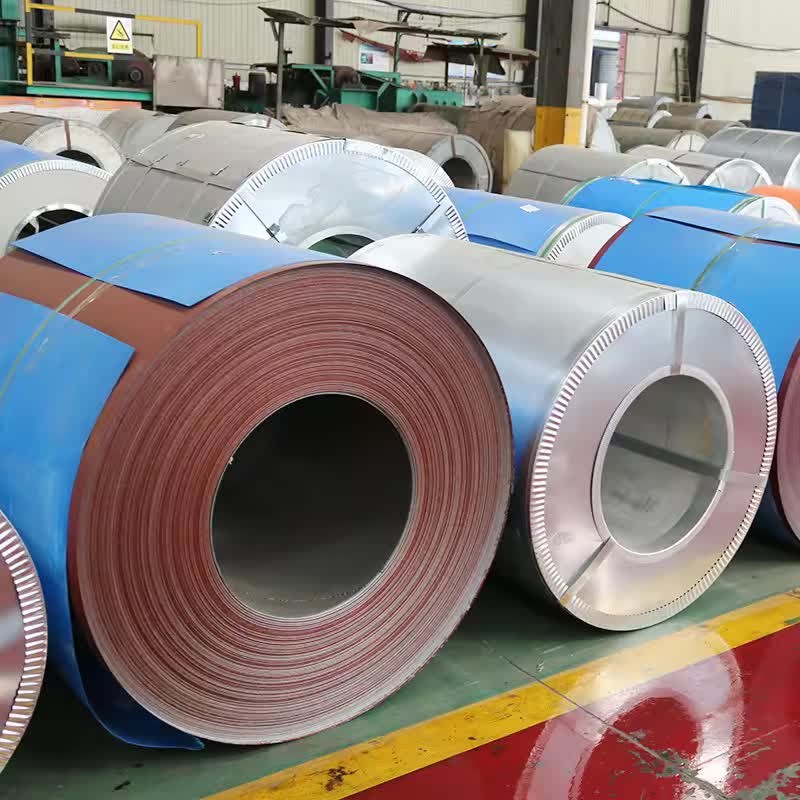
Aluminum coils are produced by rolling aluminum ingots into long, continuous strips that are wound around a core. The thickness of aluminum coils typically ranges from 0.1mm to 6.0mm, and the width can vary from a few centimeters to over two meters. Due to their coiled form, they can be easily transported and stored, taking up less space compared to large sheets.
One of the key features of aluminum coils is their flexibility. They can be unrolled and cut to the desired length, making them suitable for a wide range of applications. The continuous nature of the coil also allows for efficient processing, as it can be fed directly into manufacturing equipment without the need for multiple sheet handling operations.
Aluminum Sheets
Aluminum sheets, on the other hand, are flat pieces of aluminum that are cut to specific sizes. They are usually thicker than aluminum coils, with thicknesses ranging from 0.2mm to 200mm. Sheets are available in standard sizes, such as 4x8 feet or 5x10 feet, but can also be custom-cut to meet specific requirements.
The flat surface of aluminum sheets provides a stable and uniform base for various applications. They are less flexible than coils but offer greater rigidity and strength, making them suitable for applications where structural integrity is important.
Manufacturing Process
Aluminum Coils
The manufacturing process of aluminum coils begins with the melting of aluminum ingots in a furnace. The molten aluminum is then cast into slabs, which are subsequently hot-rolled and cold-rolled to achieve the desired thickness and width. After rolling, the coils are annealed to improve their mechanical properties and reduce internal stresses.
The continuous rolling process used in coil production allows for high-volume manufacturing with consistent quality. It also enables the production of coils with different surface finishes, such as smooth, brushed, or embossed, to meet specific aesthetic and functional requirements.
Aluminum Sheets
Aluminum sheets are produced through a similar process to coils, but with additional cutting and finishing steps. After the rolling process, the sheets are cut to the desired size using saws or shears. They may also undergo further processing, such as surface treatment, painting, or coating, to enhance their appearance and performance.
The manufacturing of sheets requires more handling and cutting operations compared to coils, which can increase production costs and lead times. However, the ability to produce custom-sized sheets makes them suitable for applications where precise dimensions are required.
Applications
Aluminum Coils
Aluminum coils are widely used in various industries due to their flexibility and ease of processing. Some common applications include:
- Construction: Aluminum coils are used in the construction industry for roofing, siding, and cladding. Their lightweight and corrosion-resistant properties make them an ideal choice for exterior applications. For example, Aluminum Lacquered Coil is often used in building facades to provide a durable and aesthetically pleasing finish.
- Automotive: In the automotive industry, aluminum coils are used for manufacturing body panels, heat exchangers, and radiator fins. Their high strength-to-weight ratio helps to reduce the weight of vehicles, improving fuel efficiency and performance.
- Electrical: Aluminum coils are also used in the electrical industry for manufacturing transformers, motors, and cables. Their excellent electrical conductivity and corrosion resistance make them a cost-effective alternative to copper.
- Packaging: Aluminum coils are commonly used in the packaging industry for manufacturing cans, foils, and containers. Their barrier properties help to protect food and beverages from light, oxygen, and moisture, extending their shelf life.
Aluminum Sheets
Aluminum sheets are used in applications where rigidity and strength are required. Some common applications include:
- Aerospace: In the aerospace industry, aluminum sheets are used for manufacturing aircraft wings, fuselages, and structural components. Their high strength-to-weight ratio and corrosion resistance make them an ideal choice for aerospace applications.
- Marine: Aluminum sheets are also used in the marine industry for manufacturing boat hulls, decks, and superstructures. Their resistance to saltwater corrosion and lightweight properties make them suitable for marine applications.
- Industrial Equipment: Aluminum sheets are used in the manufacturing of industrial equipment, such as tanks, pressure vessels, and machinery parts. Their strength and durability make them suitable for use in harsh industrial environments.
- Architectural: Aluminum sheets are used in architectural applications for manufacturing doors, windows, and curtain walls. Their aesthetic appeal and versatility make them a popular choice for modern building designs.
Advantages
Aluminum Coils
- Cost-Effective: The continuous rolling process used in coil production allows for high-volume manufacturing, which reduces production costs. Coils also require less handling and storage space compared to sheets, further reducing costs.
- Flexibility: Aluminum coils can be easily unrolled and cut to the desired length, making them suitable for a wide range of applications. They can also be bent, formed, and shaped to meet specific design requirements.
- Consistent Quality: The continuous rolling process used in coil production ensures consistent quality and thickness throughout the coil. This makes them suitable for applications where uniformity is important.
- Efficient Processing: Coils can be fed directly into manufacturing equipment, such as stamping presses or roll formers, without the need for multiple sheet handling operations. This improves production efficiency and reduces labor costs.
Aluminum Sheets
- Strength and Rigidity: Aluminum sheets offer greater rigidity and strength compared to coils, making them suitable for applications where structural integrity is important. They can withstand higher loads and stresses without deformation.
- Precise Dimensions: Sheets are available in standard sizes and can also be custom-cut to meet specific requirements. This makes them suitable for applications where precise dimensions are required.
- Aesthetic Appeal: Aluminum sheets can be finished with a variety of surface treatments, such as painting, anodizing, or powder coating, to enhance their aesthetic appeal. They are available in a wide range of colors and finishes to meet different design requirements.
- Easy to Install: Sheets are relatively easy to install compared to coils, as they do not require special equipment or tools for handling and cutting. They can be easily joined together using welding, riveting, or adhesive bonding.
Conclusion
In conclusion, aluminum coils and aluminum sheets have distinct characteristics, applications, and advantages. Aluminum coils are flexible, cost-effective, and suitable for high-volume manufacturing, while aluminum sheets offer greater rigidity, strength, and precise dimensions. The choice between the two depends on the specific requirements of your application, such as the desired thickness, size, strength, and aesthetic appeal.
As an aluminum coil supplier, I am committed to providing high-quality aluminum coils that meet the diverse needs of my customers. Whether you are in the construction, automotive, electrical, or packaging industry, I can offer you a wide range of aluminum coils, including Color Aluminum Coil and Painted Aluminium Coil, with different thicknesses, widths, and surface finishes.
If you are interested in learning more about our aluminum coils or have any questions about the differences between aluminum coils and aluminum sheets, please feel free to contact me. I would be happy to discuss your specific requirements and provide you with a customized solution.
References
- ASM Handbook, Volume 2: Properties and Selection: Nonferrous Alloys and Special-Purpose Materials. ASM International, 2001.
- Aluminum Association. Aluminum Design Manual. Aluminum Association, 2015.
- Metals Handbook: Desk Edition, 2nd Edition. ASM International, 1998.