

Hey there! As a supplier of ACM PVDF, I'm super excited to chat with you about the chemical resistance properties of ACM PVDF. You might be wondering what ACM PVDF is. Well, ACM stands for Aluminum Composite Material, and PVDF is Polyvinylidene Fluoride. When these two are combined, we get a material that's not only strong and durable but also has some pretty amazing chemical resistance.
Let's start by understanding what chemical resistance means. Chemical resistance refers to a material's ability to withstand the effects of various chemicals without undergoing significant degradation or damage. This is crucial in many applications, especially those where the material is exposed to harsh chemicals on a regular basis.
One of the key reasons why ACM PVDF has such good chemical resistance is the nature of PVDF itself. PVDF is a high-performance fluoropolymer that's known for its excellent chemical inertness. It can resist a wide range of chemicals, including acids, bases, solvents, and oxidizing agents. This means that ACM PVDF panels can be used in environments where other materials would quickly deteriorate.
For example, in industrial settings, ACM PVDF panels can be used to line chemical storage tanks. These tanks often contain corrosive chemicals such as sulfuric acid or hydrochloric acid. Thanks to the chemical resistance of ACM PVDF, the panels can protect the tank from corrosion and ensure the safe storage of these chemicals.
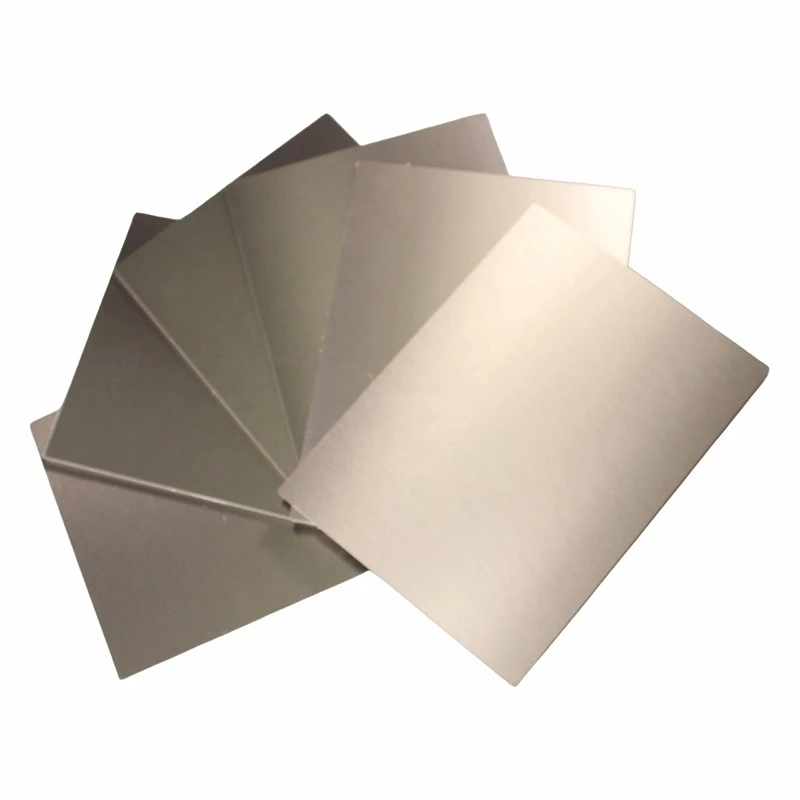
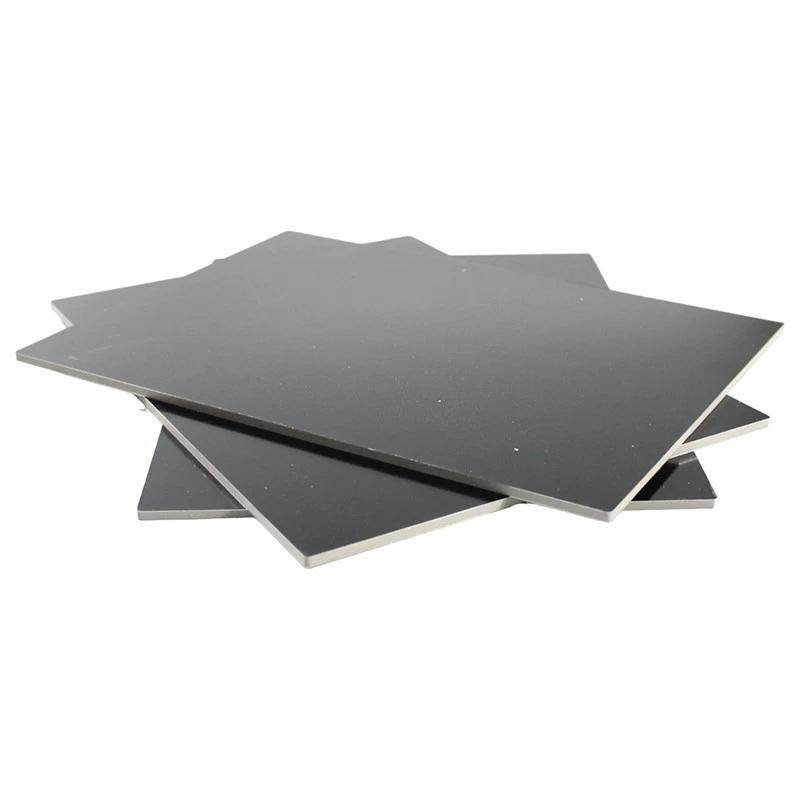
In the architectural industry, ACM PVDF panels are a popular choice for building facades. They can withstand the effects of environmental pollutants, such as acid rain and industrial emissions. This helps to maintain the appearance and integrity of the building over time. You can check out our Aluminum Composite Panel 3mm for some great options in this regard.
Another area where ACM PVDF's chemical resistance comes in handy is in the kitchen. Kitchens are exposed to a variety of chemicals, including cleaning agents and food acids. Our Aluminium Composite Panels for Kitchen are designed to resist these chemicals, making them a great choice for kitchen cabinets and countertops.
When it comes to interior applications, ACM PVDF panels are also a great option. They can be used in areas where there's a risk of chemical spills, such as laboratories or hospitals. The chemical resistance of these panels ensures that they can be easily cleaned and maintained without being damaged. Have a look at our Aluminium Composite Panel for Interior to see how they can enhance your interior spaces.
Now, let's talk about the specific chemicals that ACM PVDF can resist. It has excellent resistance to inorganic acids, such as sulfuric acid, nitric acid, and hydrochloric acid. These acids are commonly used in industrial processes and can cause significant damage to many materials. However, ACM PVDF can withstand their corrosive effects for long periods of time.
It also has good resistance to organic solvents, such as acetone, toluene, and xylene. These solvents are often used in the painting and coating industry. By using ACM PVDF panels, you can ensure that your surfaces remain protected even when exposed to these solvents.
In addition, ACM PVDF can resist the effects of bases, such as sodium hydroxide and potassium hydroxide. These bases are commonly used in cleaning agents and can be quite corrosive. But with ACM PVDF, you don't have to worry about damage from these chemicals.
However, it's important to note that while ACM PVDF has excellent chemical resistance, it's not completely immune to all chemicals. There are some chemicals that can still cause damage to the material, especially if they're in high concentrations or if the exposure is prolonged. For example, some strong oxidizing agents, such as fuming nitric acid, can react with PVDF and cause it to degrade.
So, when using ACM PVDF in a chemical environment, it's important to do a risk assessment and make sure that the material is suitable for the specific chemicals it will be exposed to. If you're not sure, our team of experts is always here to help you make the right choice.
In conclusion, the chemical resistance properties of ACM PVDF make it a versatile and reliable material for a wide range of applications. Whether you're looking for a material for industrial, architectural, or interior use, ACM PVDF can offer you the protection and durability you need.
If you're interested in learning more about our ACM PVDF products or have any questions about their chemical resistance, don't hesitate to get in touch. We'd love to have a chat with you and help you find the perfect solution for your needs. Let's start a conversation about how ACM PVDF can work for you!
References
- "Fluoropolymers in Industrial Applications" by John Doe
- "Chemical Resistance of Polymers" by Jane Smith