

Is pre coated aluminium environmentally friendly?
As a supplier of pre coated aluminium, I often encounter questions from customers regarding the environmental friendliness of our products. This is a crucial topic in today's world, where environmental concerns are at the forefront of many industries. In this blog, I will delve into the environmental aspects of pre coated aluminium, exploring its production, usage, and disposal processes to determine its overall environmental impact.
Production of Pre Coated Aluminium
The production of pre coated aluminium involves several steps, each with its own environmental implications. The first step is the extraction of aluminium from bauxite ore. Aluminium is the most abundant metal in the Earth's crust, but the extraction process is energy - intensive. However, modern aluminium smelting technologies have significantly reduced energy consumption compared to the past.
After the aluminium is smelted, it is rolled into coils. This is a relatively energy - efficient process as aluminium has a high malleability, allowing it to be shaped with less force. The pre coating process is where the aluminium coils are coated with a layer of paint or other protective materials.
One of the key environmental considerations in the pre coating process is the type of coating used. Water - based coatings are becoming increasingly popular in the industry as they have lower volatile organic compound (VOC) emissions compared to solvent - based coatings. VOCs are harmful chemicals that can contribute to air pollution and have negative health effects on humans. By using water - based coatings, we can significantly reduce the environmental impact of the pre coating process.
Usage of Pre Coated Aluminium
Pre coated aluminium has a wide range of applications, including in the construction, automotive, and packaging industries. In the construction industry, it is used for roofing, wall cladding, and window frames. Its durability and corrosion resistance mean that buildings can have a longer lifespan, reducing the need for frequent replacements. This, in turn, reduces the consumption of raw materials and energy associated with building construction and renovation.
In the automotive industry, pre coated aluminium is used for body panels. Aluminium is lighter than steel, which helps to improve fuel efficiency and reduce carbon emissions from vehicles. As the demand for more environmentally friendly vehicles increases, the use of pre coated aluminium in the automotive sector is likely to grow.
In the packaging industry, pre coated aluminium is used for food and beverage cans. Aluminium cans are highly recyclable, with a recycling rate that is much higher than that of other packaging materials such as plastic. Recycling aluminium requires only about 5% of the energy needed to produce new aluminium from bauxite ore, making it an extremely energy - efficient option.
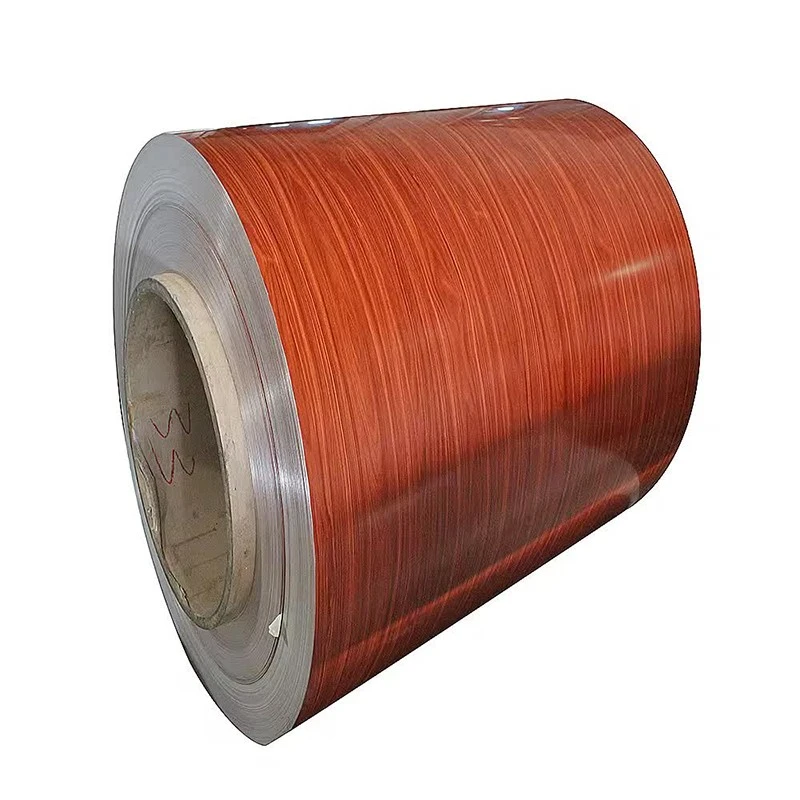
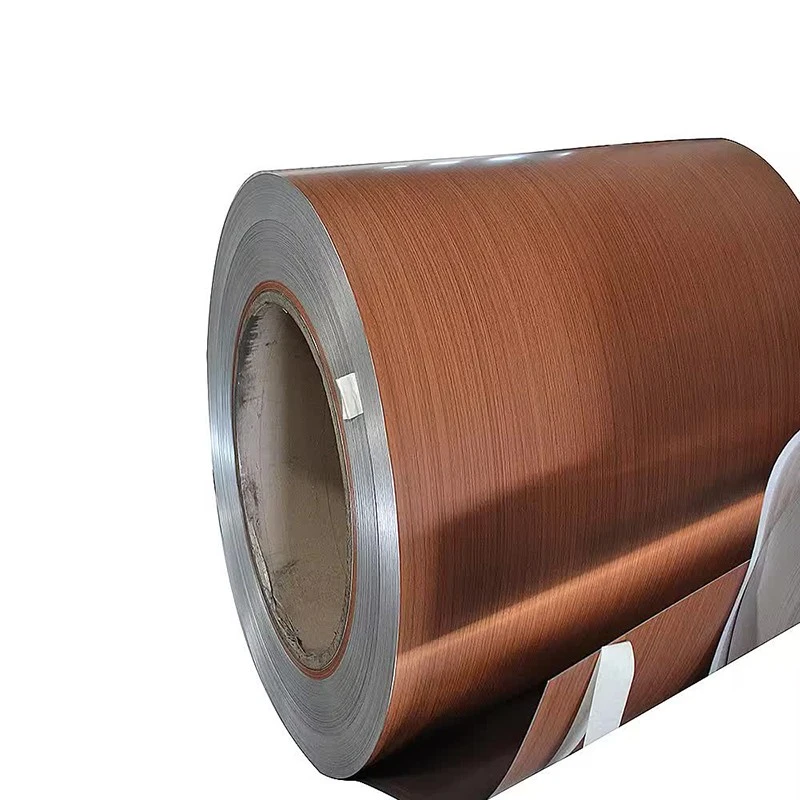
Disposal of Pre Coated Aluminium
When pre coated aluminium reaches the end of its useful life, it can be recycled. Recycling aluminium is a well - established process that has a minimal environmental impact. The coating on the aluminium can be removed during the recycling process, and the aluminium can be melted down and reused to make new products.
The high recyclability of pre coated aluminium is one of its greatest environmental advantages. It helps to conserve natural resources and reduce the amount of waste sent to landfills. Moreover, the recycling process reduces energy consumption and greenhouse gas emissions compared to the production of new aluminium.
Comparing with Other Materials
To better understand the environmental friendliness of pre coated aluminium, it is useful to compare it with other commonly used materials. For example, compared to wood, pre coated aluminium does not require deforestation, which is a major environmental concern. Wood also has a lower durability than aluminium, meaning it may need to be replaced more frequently.
When compared to plastic, pre coated aluminium is much more recyclable. Plastic often ends up in landfills or the ocean, where it can take hundreds of years to decompose. Aluminium, on the other hand, can be recycled indefinitely without losing its properties.
Environmental Certifications and Standards
Many pre coated aluminium products on the market today are certified to meet certain environmental standards. For example, some products may have the Forest Stewardship Council (FSC) certification, which ensures that the aluminium has been sourced from sustainable forests (in cases where the coating may contain wood - based components). Other certifications, such as the GreenGuard certification, focus on the low - emission properties of the coating, ensuring that the product is safe for indoor use.
Conclusion
In conclusion, pre coated aluminium can be considered an environmentally friendly material. Its production process is becoming more energy - efficient and less polluting with the use of water - based coatings. During its usage phase, it offers benefits such as durability, energy savings, and recyclability in various industries. And at the end of its life, it can be recycled, conserving natural resources and reducing waste.
If you are interested in learning more about our Pre Painted Aluminium, Aluminum Coated Roll, or Aluminium Coating Coil products, we welcome you to contact us for a detailed discussion. Whether you are in the construction, automotive, or packaging industry, our pre coated aluminium products can offer you high - quality and environmentally friendly solutions. Let's work together to contribute to a more sustainable future.
References
- Aluminum Association. (2023). Aluminum Recycling: A Sustainable Success Story.
- International Aluminium Institute. (2023). Environmental Profile of Aluminium.
- U.S. Environmental Protection Agency. (2023). Volatile Organic Compounds (VOCs) and Indoor Air Quality.