

As a seasoned supplier of ACP (Aluminum Composite Panel) metal sheets, I've encountered numerous inquiries regarding the suitability of our products for curved surfaces. This blog post aims to delve into this topic comprehensively, providing you with the scientific basis and practical insights to make an informed decision.
Understanding ACP Metal Sheets
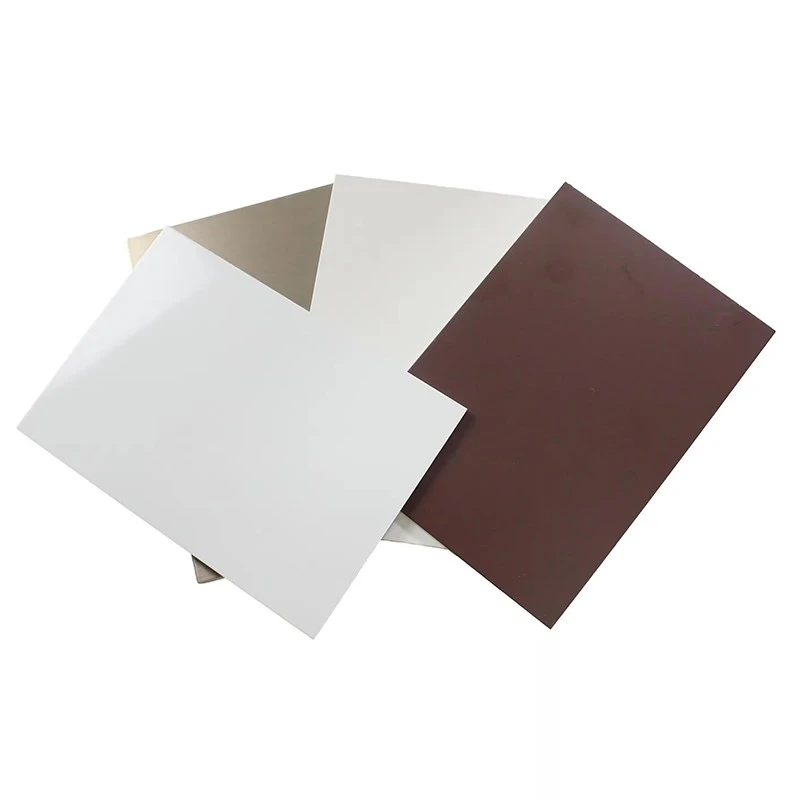
ACP metal sheets are composed of two thin aluminum sheets bonded to a non - aluminum core, typically made of polyethylene (PE) or fire - retardant materials. These panels are renowned for their lightweight nature, high durability, aesthetic appeal, and versatility. They are widely used in various applications, including building facades, interior decoration, and signage.
Physical Properties of ACP Metal Sheets
The physical properties of ACP metal sheets play a crucial role in determining their suitability for curved surfaces. The aluminum outer layers provide strength and rigidity, while the core material offers flexibility to a certain extent. The thickness of the aluminum layers and the core can vary, which affects the panel's overall flexibility and formability.
Advantages of Using ACP Metal Sheets for Curved Surfaces
Aesthetic Appeal
One of the primary reasons for using ACP metal sheets on curved surfaces is the enhanced aesthetic appeal they offer. The smooth and uniform finish of ACP panels can create a modern and sophisticated look, whether it's for an architectural masterpiece or an interior design project. The ability to curve the panels allows for the creation of unique and eye - catching shapes that can set a project apart from the rest.
Lightweight and Easy to Install
Compared to other materials used for curved applications, such as solid metal or stone, ACP metal sheets are significantly lighter. This makes them easier to handle and install, reducing labor costs and installation time. The lightweight nature also means that the structural support required for the curved surface can be less substantial, which can lead to cost savings in the overall project.
Cost - Effectiveness
ACP metal sheets are generally more cost - effective than many alternative materials for curved surfaces. Their relatively low production cost, combined with the ease of installation, makes them an attractive option for projects with budget constraints. Additionally, the long - term durability of ACP panels means that they require less maintenance, further reducing the overall cost of ownership.

Factors Affecting the Suitability of ACP Metal Sheets for Curved Surfaces
Panel Thickness
The thickness of the ACP metal sheet is a critical factor in determining its ability to be curved. Thicker panels are generally less flexible and more difficult to bend without causing damage to the panel. For small - radius curves, thinner panels are often more suitable as they can be bent more easily. However, thinner panels may not provide the same level of structural integrity as thicker ones, so a balance needs to be struck based on the specific requirements of the project.
Core Material
The type of core material used in the ACP metal sheet also affects its flexibility. Panels with a polyethylene core are generally more flexible than those with a fire - retardant core. However, fire - retardant cores are often required in certain applications, such as commercial buildings, to meet safety regulations. When using panels with a fire - retardant core, special care must be taken during the bending process to ensure that the integrity of the core is not compromised.
Curve Radius
The radius of the curve is another important consideration. ACP metal sheets can be curved to different radii, but there are limits. Smaller radius curves require more flexibility from the panel, and if the curve radius is too small, the panel may crack or delaminate. It's essential to consult with the manufacturer or supplier to determine the minimum curve radius that the specific ACP panel can achieve without damage.
Techniques for Curving ACP Metal Sheets
Cold Bending
Cold bending is the most common method for curving ACP metal sheets. This process involves bending the panel at room temperature using specialized tools and equipment. Cold bending is suitable for small - to medium - radius curves and is relatively simple and cost - effective. However, it requires careful control to ensure that the panel is bent evenly and without causing any damage.
Heat Bending
Heat bending can be used for more complex curves or when a larger radius is required. By applying heat to the panel, the material becomes more flexible, allowing for easier bending. Heat bending requires specialized equipment and expertise to ensure that the panel is heated evenly and to the appropriate temperature. Improper heat bending can result in discoloration, warping, or damage to the panel.
Applications of ACP Metal Sheets on Curved Surfaces
Architectural Facades
ACP metal sheets are widely used in architectural facades to create curved and dynamic shapes. They can be used to cover the exterior of buildings, adding a touch of modernity and elegance. Aluminum Composite Wall Panels are particularly suitable for this application, as they offer excellent weather resistance and durability.
Interior Design
In interior design, ACP metal sheets can be used to create curved partitions, columns, and decorative elements. They can add a unique and stylish touch to commercial spaces such as offices, hotels, and retail stores. ACP Sheet For Kitchen can also be used to create curved kitchen islands or backsplashes, providing a modern and functional look.
Signage
ACP metal sheets are a popular choice for signage due to their lightweight and easy - to - form nature. They can be curved to create three - dimensional signs that stand out and attract attention. The smooth surface of ACP panels also allows for high - quality printing, making them ideal for displaying logos and messages.
Conclusion
In conclusion, ACP metal sheets can be a suitable option for curved surfaces in many applications. Their aesthetic appeal, lightweight nature, cost - effectiveness, and flexibility make them an attractive choice for architects, designers, and contractors. However, it's important to consider factors such as panel thickness, core material, and curve radius to ensure that the panels can be curved successfully without damage.
If you're considering using ACP metal sheets for your next project involving curved surfaces, I encourage you to [contact us](insert appropriate contact method here). Our team of experts can provide you with detailed information, technical support, and high - quality products. We also offer Fireproof Aluminum Composite Panel for applications where fire safety is a concern. Let's work together to bring your creative vision to life.
References
- "Aluminum Composite Panel Handbook", Industry Publication
- "Curved Building Facades: Design and Construction", Academic Journal
- Manufacturer's Technical Documentation on ACP Metal Sheets