

I'm a supplier of ACM PVDF, and I often get asked if ACM PVDF is safe for food contact. It's a valid concern, especially considering the importance of food safety. So, I thought I'd take some time to dive into this topic and share what I've learned.
First off, let's talk about what ACM PVDF is. ACM stands for Aluminium Composite Material, and PVDF is Polyvinylidene Fluoride. ACM PVDF is a type of material that combines the strength and durability of aluminium with the chemical resistance and weatherability of PVDF. It's commonly used in construction for things like Brushed Aluminium Composite Sheet, ACP Color Sheet, and Aluminium ACP Board. But when it comes to food contact, things get a bit more complicated.
Understanding Food Contact Regulations
In most countries, there are strict regulations governing materials that come into contact with food. These regulations are in place to protect consumers from harmful substances that could potentially leach into food. For example, in the United States, the Food and Drug Administration (FDA) sets guidelines for food contact materials. These guidelines cover a wide range of materials, including plastics, metals, and coatings.
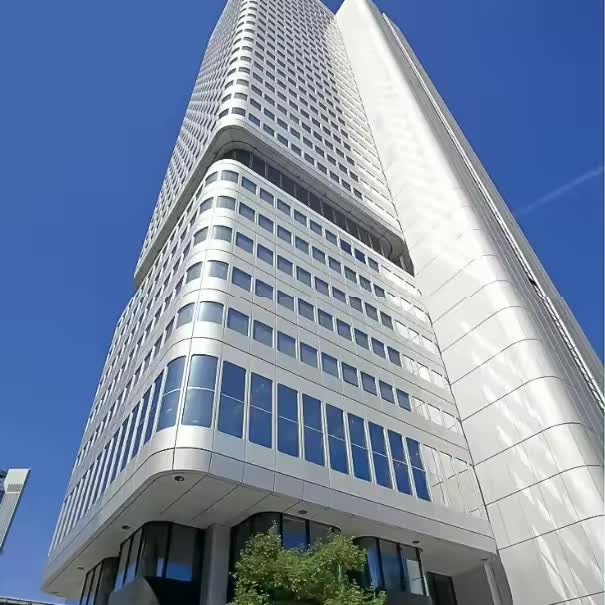

When it comes to ACM PVDF, the key question is whether the PVDF coating and the aluminium core are safe for food contact. PVDF is a high-performance polymer that is known for its chemical resistance and low reactivity. It's used in a variety of applications, including food packaging and processing equipment. In general, PVDF is considered to be a safe material for food contact, as long as it meets the relevant regulatory requirements.
The aluminium core of ACM PVDF is also generally safe for food contact. Aluminium is a widely used metal in the food industry, and it's known for its corrosion resistance and low toxicity. However, it's important to note that the surface finish of the aluminium can affect its safety for food contact. For example, if the aluminium has a rough or porous surface, it could potentially harbor bacteria or other contaminants.
Factors Affecting the Safety of ACM PVDF for Food Contact
While PVDF and aluminium are generally considered to be safe for food contact, there are several factors that can affect the safety of ACM PVDF in a real-world setting.
Coating Integrity
The integrity of the PVDF coating is crucial for ensuring the safety of ACM PVDF for food contact. If the coating is damaged or scratched, it could expose the aluminium core to the food, which could potentially lead to the leaching of aluminium into the food. Additionally, a damaged coating could also allow bacteria or other contaminants to penetrate the material.
Cleaning and Maintenance
Proper cleaning and maintenance are essential for ensuring the safety of ACM PVDF for food contact. The material should be cleaned regularly using mild detergents and sanitizers to remove any dirt, debris, or bacteria. It's also important to avoid using abrasive cleaners or tools, as these could damage the PVDF coating.
Temperature and Chemical Exposure
The temperature and chemical exposure of ACM PVDF can also affect its safety for food contact. PVDF is a thermoplastic polymer, which means that it can soften and deform at high temperatures. If ACM PVDF is exposed to high temperatures for extended periods of time, it could potentially release harmful substances into the food. Additionally, exposure to certain chemicals, such as acids or bases, could also damage the PVDF coating and affect its safety for food contact.
Testing and Certification
To ensure the safety of ACM PVDF for food contact, it's important to have the material tested and certified by a reputable third-party laboratory. These laboratories can perform a variety of tests, including migration testing, to determine whether the material meets the relevant regulatory requirements.
Migration testing involves exposing the material to a food simulant under specific conditions and then analyzing the simulant for the presence of any harmful substances. If the levels of these substances are below the allowable limits, the material is considered to be safe for food contact.
Our Commitment to Safety
As a supplier of ACM PVDF, we take the safety of our products very seriously. We work closely with our customers to ensure that they understand the proper use and maintenance of our materials. We also ensure that all of our products are tested and certified to meet the relevant regulatory requirements.
If you're considering using ACM PVDF for a food contact application, we'd be happy to provide you with more information and answer any questions you may have. We can also help you determine whether our products are suitable for your specific needs.
Conclusion
So, is ACM PVDF safe for food contact? The answer is yes, as long as it meets the relevant regulatory requirements and is used and maintained properly. PVDF and aluminium are generally considered to be safe materials for food contact, but there are several factors that can affect the safety of ACM PVDF in a real-world setting.
If you're interested in using ACM PVDF for a food contact application, I encourage you to reach out to us. We can provide you with more information about our products and help you determine whether they're the right choice for your project. We're always here to help you make an informed decision and ensure the safety and success of your application.
References
- Food and Drug Administration (FDA). Regulations for Food Contact Materials.
- International Organization for Standardization (ISO). Standards for Food Contact Materials.