

As a seasoned supplier of Color Aluminum Coil, I understand the paramount importance of safe transportation. Color aluminum coils are widely used in various industries, including construction, automotive, and electronics, due to their excellent corrosion resistance, high strength, and aesthetic appeal. However, these coils are also delicate and can be easily damaged during transit if not handled properly. In this blog, I will share some valuable insights and practical tips on how to transport color aluminum coil safely.
Understanding the Characteristics of Color Aluminum Coil
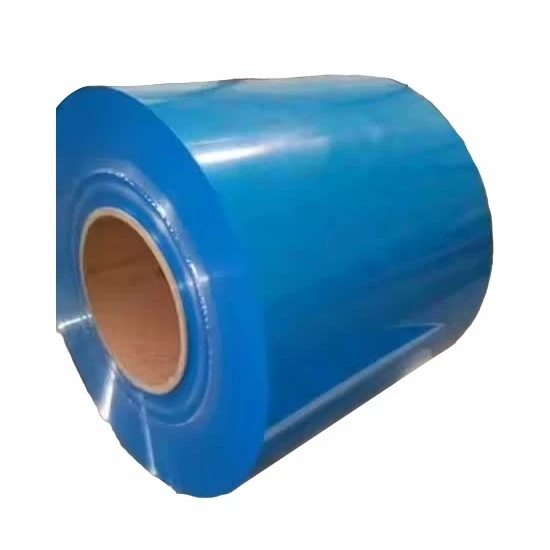
Before delving into the transportation process, it is essential to understand the unique characteristics of color aluminum coil. Color aluminum coils are typically made of high-quality aluminum alloy and coated with a layer of paint or powder to enhance their appearance and durability. The coating on the surface of the coil is relatively fragile and can be easily scratched, chipped, or peeled off if exposed to excessive friction, pressure, or impact.
In addition, color aluminum coils are usually heavy and bulky, which makes them difficult to handle and transport. Improper handling can not only damage the coils but also pose a safety risk to the workers involved in the transportation process. Therefore, it is crucial to take appropriate precautions to ensure the safety of the coils and the people handling them.
Preparing the Coils for Transportation
The first step in ensuring safe transportation of color aluminum coil is to prepare the coils properly before loading them onto the transport vehicle. Here are some key steps to follow:
Inspection
Before shipping, carefully inspect each coil for any signs of damage, such as scratches, dents, or coating defects. If any damage is found, mark the affected area and take appropriate measures to repair or replace the coil. This will help prevent further damage during transportation and ensure that the customer receives high-quality products.
Wrapping
To protect the surface of the color aluminum coil from scratches and other damage, it is recommended to wrap the coils with a layer of protective film or paper. The wrapping material should be strong enough to withstand the rigors of transportation but not too thick to add excessive weight to the coils. Additionally, make sure the wrapping is tightly secured to prevent it from coming loose during transit.
Packaging
In addition to wrapping, the coils should be properly packaged in suitable containers or pallets. The packaging should be designed to provide adequate support and protection for the coils during transportation. For example, wooden pallets can be used to stack the coils securely, and plastic or metal containers can be used to enclose the coils and prevent them from shifting or colliding with each other.
Labeling
Each coil should be clearly labeled with important information, such as the product name,规格, quantity, and destination. This will help ensure that the coils are loaded and unloaded correctly and that the customer receives the correct products. Additionally, the labels should include any special handling instructions or warnings, such as "Fragile" or "Handle with Care."
Choosing the Right Transport Vehicle
The choice of transport vehicle is another critical factor in ensuring safe transportation of color aluminum coil. Here are some considerations when selecting a transport vehicle:
Capacity
The transport vehicle should have sufficient capacity to accommodate the number and size of the color aluminum coils being shipped. Overloading the vehicle can not only increase the risk of damage to the coils but also pose a safety hazard to the driver and other road users. Therefore, it is important to accurately calculate the weight and volume of the coils and choose a vehicle with an appropriate capacity.
Type
The type of transport vehicle used will depend on the distance, destination, and quantity of the color aluminum coils being shipped. For short-distance transportation, trucks or vans may be sufficient. However, for long-distance or international shipments, it may be necessary to use specialized transport vehicles, such as flatbed trailers, container trucks, or railcars.
Condition
The transport vehicle should be in good condition and well-maintained to ensure safe transportation of the color aluminum coils. Before loading the coils, inspect the vehicle for any signs of damage or mechanical problems, such as worn tires, faulty brakes, or leaking fluids. If any issues are found, have them repaired immediately before proceeding with the shipment.
Loading and Securing the Coils
Once the coils are prepared and the transport vehicle is selected, the next step is to load the coils onto the vehicle and secure them properly. Here are some important tips to follow:

Loading
When loading the color aluminum coils onto the transport vehicle, use appropriate lifting equipment, such as forklifts or cranes, to ensure safe and efficient handling. Make sure the lifting equipment is in good condition and operated by trained personnel. Additionally, take care to avoid dropping or banging the coils during loading, as this can cause damage to the coils and the vehicle.
Stacking
When stacking the coils on the transport vehicle, make sure they are stacked in a stable and secure manner. The coils should be stacked in a way that distributes the weight evenly and prevents them from shifting or toppling over during transit. For example, the coils can be stacked in a pyramid shape or in rows with spacers between each layer to provide additional support.
Securing
To prevent the color aluminum coils from moving or shifting during transportation, they should be secured firmly to the transport vehicle using appropriate tie-downs or restraints. The tie-downs should be strong enough to withstand the forces of acceleration, deceleration, and turning, and they should be attached to the vehicle in a way that does not damage the coils. Additionally, make sure the tie-downs are tightened properly to prevent the coils from vibrating or rattling during transit.
Monitoring the Transportation Process
Once the color aluminum coils are loaded and secured onto the transport vehicle, it is important to monitor the transportation process to ensure that the coils arrive at their destination safely and on time. Here are some ways to monitor the transportation process:
Tracking
Use a tracking system to monitor the location and status of the transport vehicle in real-time. This will allow you to keep track of the progress of the shipment and identify any potential issues or delays. Many transport companies offer tracking services that can be accessed online or through a mobile app.
Communication
Maintain regular communication with the driver of the transport vehicle to stay informed about the status of the shipment. The driver should be able to provide you with updates on the location, estimated time of arrival, and any issues or delays that may arise during transit. Additionally, make sure the driver has your contact information in case of an emergency.
Inspection
Upon arrival at the destination, inspect the color aluminum coils carefully for any signs of damage or loss. If any damage is found, document it immediately and notify the transport company and the customer. This will help ensure that the issue is resolved quickly and that the customer is satisfied with the products.
Conclusion
Safe transportation of color aluminum coil is essential to ensure that the products arrive at their destination in good condition and meet the customer's expectations. By following the tips and guidelines outlined in this blog, you can minimize the risk of damage to the coils during transit and ensure a smooth and successful transportation process.
If you are interested in purchasing high-quality Color Aluminum Coil or have any questions about transportation, please feel free to contact us for more information. We are committed to providing our customers with the best products and services and look forward to working with you.
References
- "Aluminium Coated Roll" /aluminum-coil/aluminium-coated-roll.html
- "Pre Coated Aluminium" /aluminum-coil/pre-coated-aluminium-factory.html
- "Aluminum Sheet Coil" /aluminum-coil/aluminum-sheet-coil.html