

As a seasoned supplier of Coating Aluminum Coil, I've witnessed firsthand the crucial role that an optimized coating process plays in delivering high-quality products. In this blog, I'll share some insights on how to optimize the coating process for aluminum coils, based on my years of experience in the industry.
Understanding the Basics of Aluminum Coil Coating
Before diving into the optimization strategies, it's essential to understand the basic components of the aluminum coil coating process. The process typically involves several key steps: surface preparation, primer application, topcoat application, and curing.
Surface preparation is the foundation of a successful coating. It involves cleaning the aluminum coil to remove any dirt, oil, or oxidation that could interfere with the adhesion of the coating. This can be achieved through methods such as alkaline cleaning, acid pickling, or abrasive blasting.
The primer is applied to enhance the adhesion of the topcoat and provide corrosion protection. It forms a barrier between the aluminum substrate and the environment, preventing moisture and other corrosive agents from reaching the metal.
The topcoat is responsible for the aesthetic appearance and durability of the coated aluminum coil. It can be formulated to provide various properties, such as color, gloss, scratch resistance, and weatherability.
Curing is the final step in the coating process, where the applied coatings are heated to a specific temperature for a set period to ensure proper cross - linking and hardening.
Optimizing Surface Preparation
The quality of surface preparation directly impacts the adhesion and performance of the coating. One of the most effective ways to optimize surface preparation is to use a multi - step cleaning process. Start with a pre - rinse to remove loose debris, followed by an alkaline cleaner to dissolve oils and greases. After the alkaline cleaning, a thorough water rinse is necessary to remove any residual cleaner.
Acid pickling can be used in some cases to etch the surface of the aluminum, creating a micro - rough surface that enhances coating adhesion. However, it's important to control the acid concentration and immersion time carefully to avoid over - etching, which can weaken the aluminum.
Abrasive blasting is another option for surface preparation. It can quickly remove oxidation and create a rough surface profile. But, it requires proper equipment and safety measures to ensure uniform blasting and prevent damage to the aluminum coil.
Selecting the Right Coating Materials
The choice of coating materials is critical for optimizing the coating process. When selecting primers, consider factors such as the type of aluminum alloy, the intended application environment, and the compatibility with the topcoat. For example, if the coated aluminum coil will be used in a marine environment, a primer with excellent corrosion resistance is essential.
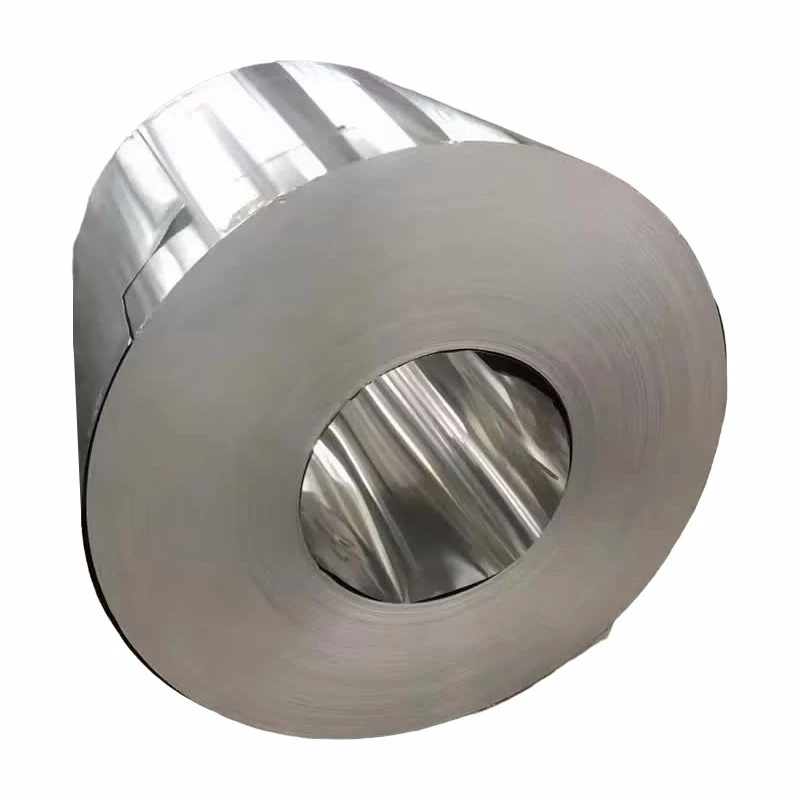
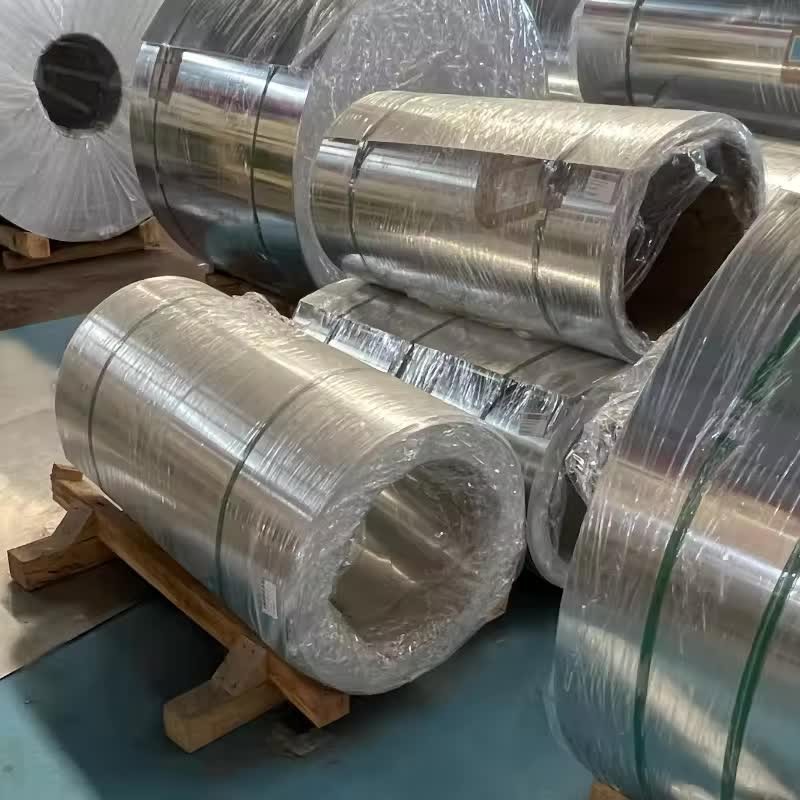
For topcoats, there are various options available, including polyester, fluorocarbon, and acrylic coatings. Polyester coatings are cost - effective and offer good general - purpose performance. Fluorocarbon coatings, on the other hand, provide superior weatherability and long - term durability, making them suitable for exterior applications such as building facades. Acrylic coatings offer good color retention and gloss, and they are often used in applications where a high - quality aesthetic appearance is required.
It's also important to ensure that the coating materials are of high quality and meet industry standards. Working with reputable coating suppliers can help you obtain coatings that are reliable and consistent in performance.
Controlling Coating Application
Proper coating application is crucial for achieving a uniform and defect - free coating. The thickness of the coating is a key parameter that needs to be controlled. Too thin a coating may not provide adequate protection or aesthetic appeal, while too thick a coating can lead to issues such as cracking, peeling, and poor adhesion.
There are several methods for applying coatings to aluminum coils, including roll coating, spray coating, and curtain coating. Roll coating is a popular method for continuous coating of aluminum coils. It offers good control over coating thickness and uniformity. Spray coating can be used for more complex shapes or when a high - quality finish is required. Curtain coating is suitable for large - scale production and can provide a smooth and even coating.
During the coating application process, it's important to maintain a clean and controlled environment. Dust, dirt, and moisture in the air can contaminate the coating and cause defects. Use proper ventilation and filtration systems to keep the coating area clean.
Optimizing the Curing Process
The curing process is a critical step in ensuring the performance of the coating. The curing temperature and time need to be carefully controlled according to the type of coating used. Different coatings have different curing requirements, and deviating from the recommended curing conditions can result in poor coating properties.
For example, if the curing temperature is too low or the curing time is too short, the coating may not fully cross - link, leading to a soft and sticky finish with poor resistance to abrasion and chemicals. On the other hand, if the curing temperature is too high or the curing time is too long, the coating may become brittle and prone to cracking.
Using advanced curing ovens with precise temperature control and uniform heat distribution can help optimize the curing process. Some modern ovens are equipped with sensors and control systems that can adjust the temperature and airflow in real - time to ensure consistent curing.
Quality Control and Testing
Implementing a comprehensive quality control system is essential for optimizing the coating process. Regularly inspect the coated aluminum coils during and after the coating process to detect any defects such as pinholes, orange peel, or uneven coating thickness.
Non - destructive testing methods, such as adhesion testing and thickness measurement, can be used to evaluate the quality of the coating. Adhesion testing can be done using methods like cross - hatch testing or pull - off testing. Thickness measurement can be carried out using magnetic or eddy - current thickness gauges.
In addition to in - house testing, it's also beneficial to conduct third - party testing on a regular basis. Third - party testing can provide an objective assessment of the coating quality and ensure that the products meet industry standards and customer requirements.
Continuous Improvement
The coating process is not static, and there is always room for improvement. Collect data on the coating process, including production parameters, quality control results, and customer feedback. Analyze this data to identify areas for improvement, such as reducing coating waste, improving coating efficiency, or enhancing product performance.
Invest in research and development to explore new coating technologies and materials. For example, new water - based coatings are becoming more popular due to their environmental friendliness. By staying ahead of the curve in coating technology, you can offer more competitive products to your customers.
Conclusion
Optimizing the coating process for aluminum coils is a complex but rewarding task. By focusing on surface preparation, coating material selection, application control, curing optimization, quality control, and continuous improvement, you can produce high - quality coated aluminum coils that meet the diverse needs of your customers.
If you are interested in our Prepainted Aluminum Coil, Color Coating Aluminum Coil or Color Aluminum Coil, please feel free to contact us for more information and to discuss your specific requirements. We are committed to providing you with the best - quality products and services.
References
- "Aluminum Coil Coating Technology" - A technical handbook on the latest advancements in aluminum coil coating.
- "Coating Materials and Their Applications" - A comprehensive guide on different types of coating materials and their suitability for various applications.
- Industry reports on the aluminum coil coating market, which provide insights on market trends and best practices in the coating process.