

Yo, as a supplier of coated aluminum coils, I've seen firsthand how important it is for our customers to make these coils last as long as possible. Whether you're using them for construction, signage, or any other application, getting the most out of your investment is key. Here are some tips on how to increase the lifespan of a coated aluminum coil that I've gathered over the years.
1. Choose the Right Coating and Aluminum Alloy
First things first, the quality of the coating and the type of aluminum alloy you select really matter. If you're looking for a durable option, you might want to consider 3003 Aluminum Coil. This alloy is known for its good formability and corrosion resistance. It's a popular choice for various applications because it can withstand different environments pretty well.
When it comes to coatings, Color Coating Aluminum Coil and Painted Aluminium Coil offer different benefits. Color-coated coils not only provide protection but also come in a wide range of colors, which is great for aesthetic purposes. On the other hand, painted aluminum coils can give you a more customized finish. Make sure to pick a coating that's suitable for your specific use and the environment where the coil will be installed.
2. Proper Storage
Storing your coated aluminum coils correctly can significantly extend their lifespan. When the coils are in storage, they should be kept in a dry and well-ventilated area. Moisture is the enemy of coated aluminum because it can lead to corrosion and damage the coating. If the coils are exposed to high humidity for a long time, the coating might start to peel or blister.
Also, make sure the coils are stored flat and not stacked too high. Stacking them too tall can cause deformation, especially if the weight isn't evenly distributed. And if the coils are scratched during storage, it can compromise the coating's integrity and put the aluminum at risk of corrosion.
3. Installation Considerations
During the installation process, there are a few things to keep in mind. First off, you need to handle the coils carefully. Even a small scratch on the coating can expose the aluminum beneath to the elements, making it more likely to corrode. When cutting the coils, use the right tools to ensure clean cuts and minimize any potential damage to the coating.
It's also important to install the coils according to the manufacturer's instructions. This includes proper spacing, alignment, and attachment methods. If the coils aren't installed correctly, they might be more prone to movement and stress, which can lead to premature wear and tear.
4. Regular Maintenance
Just like any other material, coated aluminum coils need some maintenance to stay in good shape. Regular cleaning is essential. You can use a mild detergent and water to clean the surface of the coils. Avoid using abrasive cleaners or tools because they can scratch the coating.
After cleaning, inspect the coils for any signs of damage, such as chips, scratches, or peeling. If you notice any issues, it's important to address them right away. You can use touch-up paint to repair small scratches and chips to prevent further corrosion.
5. Environmental Considerations
The environment where the coated aluminum coils are installed plays a big role in their lifespan. If the coils are in an area with high levels of pollution, saltwater, or chemicals, they'll face more challenges. For example, in coastal areas, the salt in the air can accelerate corrosion. In industrial areas, pollutants can react with the coating and damage it.
To protect the coils in harsh environments, you might want to consider additional protective measures, such as applying a sealant or using a more corrosion-resistant coating. You can also monitor the environmental conditions regularly and take action if the conditions start to deteriorate.
6. Avoid Physical Damage
Physical damage can really shorten the lifespan of coated aluminum coils. Things like impacts, abrasions, and vibrations can all cause problems. If the coils are in an area where they might be hit by objects, you should add some protective barriers. For example, if they're installed near a busy street or a construction site, you can put up a fence or a guardrail to prevent accidental damage.
Also, be careful when working around the coils. Don't drag heavy objects across them or use them as support for other equipment. Even a small dent or scratch can weaken the coating and make the aluminum more vulnerable to corrosion.
7. Temperature and Humidity Control
Fluctuations in temperature and humidity can have a negative impact on coated aluminum coils. Extreme heat can cause the coating to expand and contract, which can lead to cracking and peeling. On the other hand, extreme cold can make the coating brittle and more likely to break.
If possible, try to control the temperature and humidity around the coils. In indoor applications, you can use HVAC systems to maintain a stable environment. In outdoor applications, you can choose coatings that are specifically designed to withstand temperature changes.
8. Professional Inspection
It's a good idea to have a professional inspect your coated aluminum coils regularly. A professional can spot potential problems that you might miss, such as early signs of corrosion or coating degradation. They can also provide recommendations on how to improve the lifespan of the coils based on their expertise.
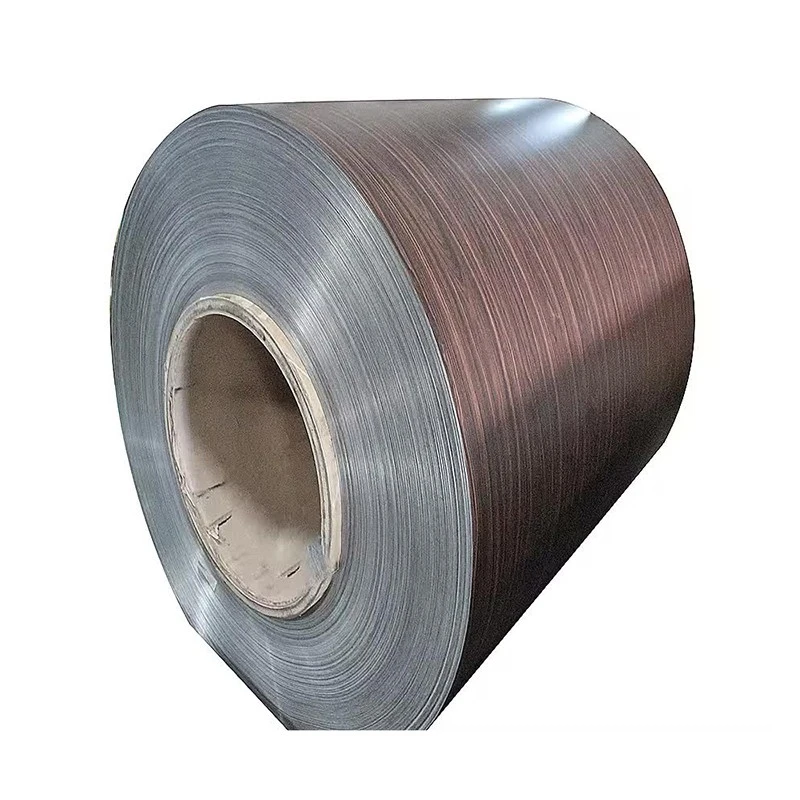
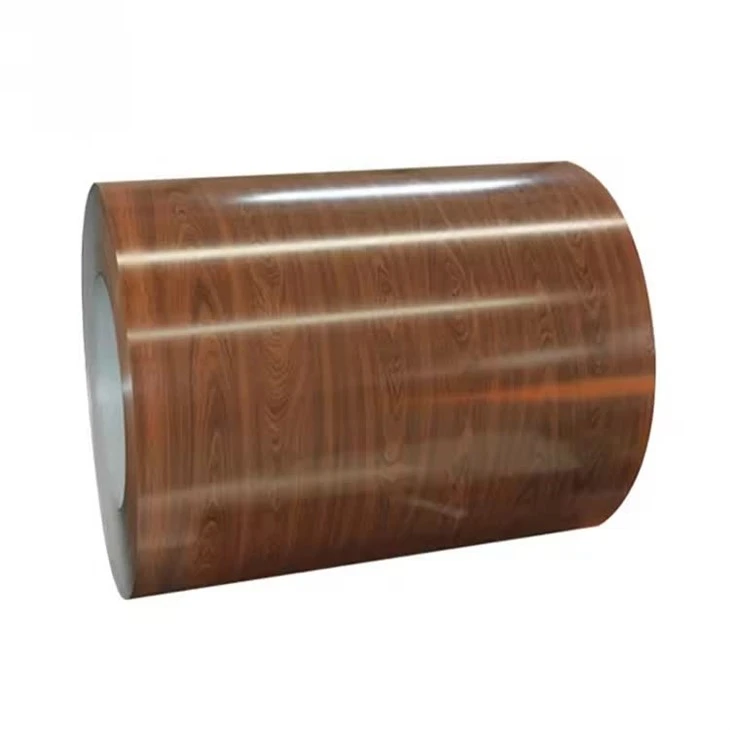
By following these tips, you can significantly increase the lifespan of your coated aluminum coils. As a supplier, I'm here to help you make the most of your investment. If you have any questions or if you're interested in purchasing coated aluminum coils, feel free to reach out. We can discuss your specific needs and find the best solution for you.
References
- "Aluminum Coil Handbook" - A comprehensive guide on aluminum coils, properties, and applications.
- Industry reports on the durability and performance of coated aluminum coils.