

Hey there! I'm a supplier of paint aluminum coil, and I've been in this business for quite a while. One of the most common questions I get from customers is how to improve the weatherability of paint aluminum coil. Well, I'm here to share some tips and tricks that I've learned over the years.
First off, let's talk about what weatherability means. When we say a paint aluminum coil has good weatherability, we're talking about its ability to withstand the elements, like sunlight, rain, snow, and extreme temperatures, without losing its color, gloss, or adhesion. This is super important, especially if the coil is going to be used outdoors.
Choose the Right Paint System
The type of paint you use on your aluminum coil plays a huge role in its weatherability. There are several types of paint systems available, but some are better suited for outdoor use than others.
Polyester Paint
Polyester paint is a popular choice for paint aluminum coils. It's relatively inexpensive and offers decent weather resistance. However, it may not be the best option for areas with harsh weather conditions. Polyester paint can start to fade and chalk over time, especially when exposed to long periods of sunlight.
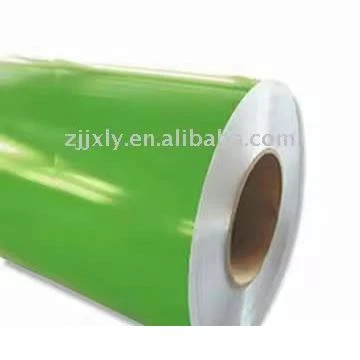
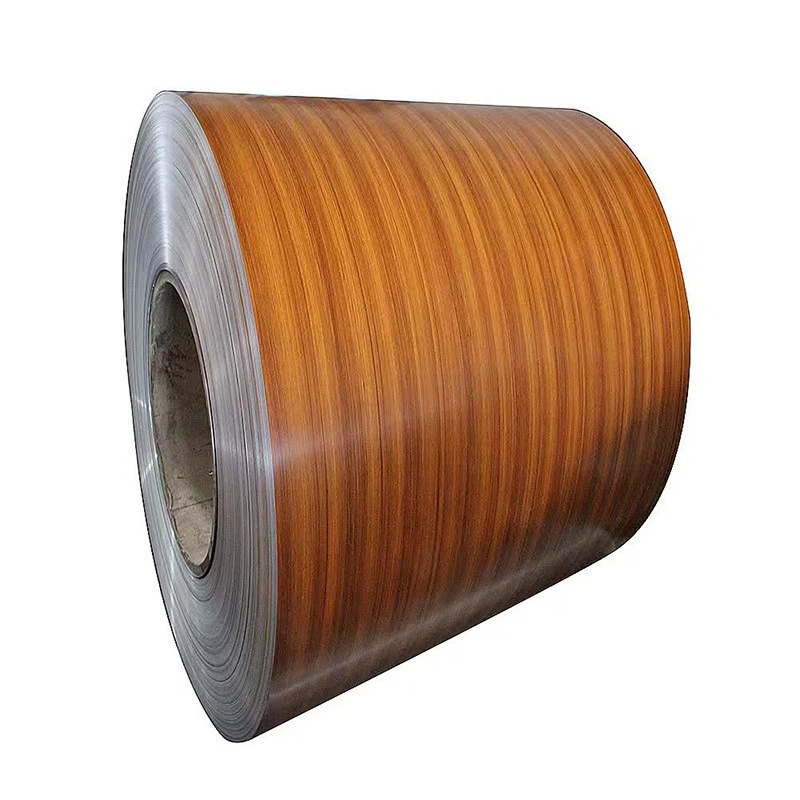
Fluorocarbon Paint
If you're looking for the best weatherability, fluorocarbon paint is the way to go. Fluorocarbon coatings are known for their excellent resistance to UV radiation, chemicals, and extreme temperatures. They can maintain their color and gloss for a long time, even in the harshest environments. For example, in coastal areas where the air is salty and humid, or in desert regions with intense sunlight, fluorocarbon-painted aluminum coils will outperform other types of paint systems. You can check out our Aluminum Lacquered Coil which often uses high - quality fluorocarbon paint.
Surface Preparation
Proper surface preparation is crucial before applying paint to an aluminum coil. A clean and well - prepared surface ensures better paint adhesion, which in turn improves weatherability.
Cleaning
The first step is to clean the aluminum coil thoroughly. This removes dirt, grease, and other contaminants that could prevent the paint from bonding properly. You can use a mild detergent and water to clean the surface, followed by a rinse with clean water. Make sure the coil is completely dry before moving on to the next step.
Etching
Etching the aluminum surface can also enhance paint adhesion. This process creates a rough surface on the aluminum, giving the paint more area to grip onto. There are different methods of etching, such as chemical etching or mechanical abrasion. Chemical etching involves using an acid or alkaline solution to treat the surface, while mechanical abrasion can be done with sandpaper or a wire brush.
Coating Thickness
The thickness of the paint coating also affects the weatherability of the aluminum coil. A thicker coating generally provides better protection against the elements. However, it's important to find the right balance. If the coating is too thick, it can lead to problems like cracking or peeling.
Most manufacturers recommend a specific coating thickness for their paint systems. For example, for fluorocarbon paint, a coating thickness of around 25 - 35 microns is often ideal. This thickness provides good protection without causing any issues with the coating's integrity.
Quality Control During Production
As a supplier, we have strict quality control measures in place during the production of paint aluminum coils. This helps ensure that each coil meets the highest standards of weatherability.
Monitoring the Painting Process
We closely monitor the painting process to make sure that the paint is applied evenly and at the correct thickness. Any inconsistencies in the paint application can lead to weak spots in the coating, which can reduce weatherability. We use advanced equipment and techniques to ensure a uniform coating.
Testing the Coated Coils
After the painting process is complete, we test the coated coils to evaluate their weatherability. This can include exposure tests in a weathering chamber, where the coils are exposed to simulated sunlight, heat, and moisture. We also perform adhesion tests to make sure the paint is firmly bonded to the aluminum surface.
Maintenance
Even with a high - quality paint aluminum coil, some maintenance is required to keep its weatherability at its best.
Regular Cleaning
Periodically cleaning the painted aluminum coil can help remove dirt and pollutants that can accumulate on the surface. Use a soft cloth or a gentle brush and a mild cleaning solution. Avoid using abrasive cleaners or tools that could scratch the paint.
Inspection
Regularly inspect the coil for any signs of damage, such as chips, cracks, or peeling paint. If you notice any issues, it's important to address them promptly. Small areas of damage can be repaired with touch - up paint, but more extensive damage may require professional restoration.
Conclusion
Improving the weatherability of paint aluminum coil involves a combination of factors, from choosing the right paint system and proper surface preparation to quality control during production and regular maintenance. As a supplier, we're committed to providing high - quality Painted Aluminium Coil that can withstand the toughest weather conditions.
If you're in the market for paint aluminum coil and want to ensure the best weatherability for your project, don't hesitate to reach out. We can help you choose the right product and provide you with all the information you need. Whether it's for a small residential project or a large commercial building, we've got you covered.
References
- "Coatings for Aluminum: Technology and Applications" by various authors.
- Industry standards and guidelines for paint application on aluminum coils.