

Hey there! As an ACM PVDF supplier, I've been getting a lot of questions lately about how to improve the toughness of ACM PVDF. So, I thought I'd share some insights and tips based on my experience in the industry.
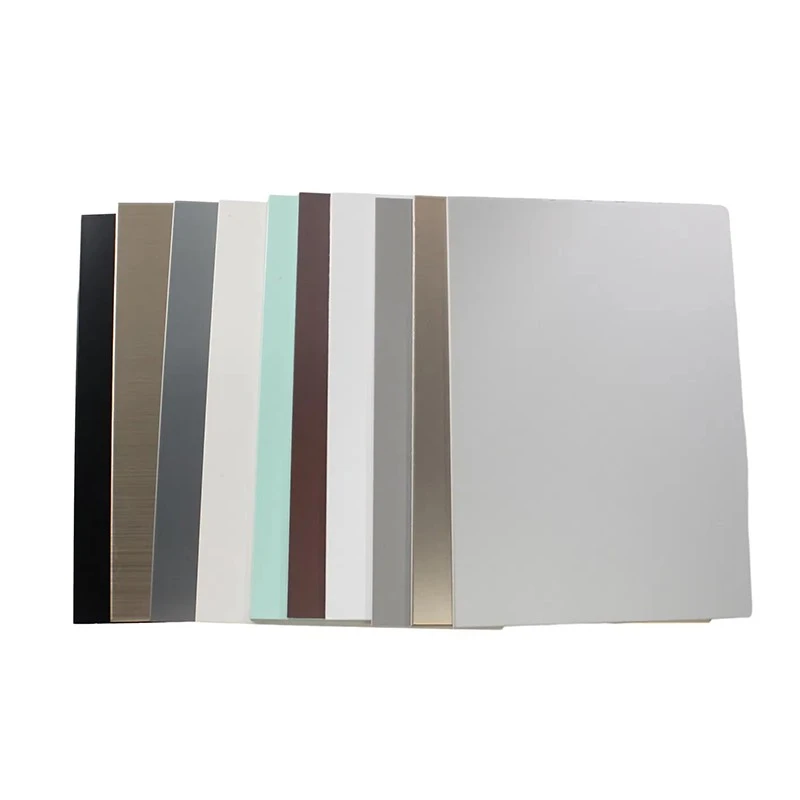
First off, let's talk a bit about what ACM PVDF is. ACM PVDF stands for Aluminum Composite Material with Polyvinylidene Fluoride coating. It's a popular choice for various applications, especially in the construction industry. You can check out more about it here: ACM PVDF. It's known for its durability, weather resistance, and aesthetic appeal. But sometimes, we need to enhance its toughness to make it even more suitable for certain projects.
Understanding the Basics of ACM PVDF Toughness
Toughness is all about how well a material can withstand stress and deformation without breaking. For ACM PVDF, this means being able to handle impacts, vibrations, and environmental factors over time. There are a few key factors that can affect the toughness of ACM PVDF.
One of the main factors is the quality of the raw materials. The aluminum core and the PVDF coating play a crucial role. If the aluminum core is of low quality, it might not be able to provide the necessary strength. Similarly, a poor - quality PVDF coating won't offer good protection and may crack easily.
The manufacturing process also matters a great deal. Proper bonding between the aluminum core and the PVDF coating is essential. If the bonding is weak, the coating can delaminate, reducing the overall toughness of the material.

Tips to Improve ACM PVDF Toughness
1. Select High - Quality Raw Materials
When it comes to the aluminum core, look for alloys that have good mechanical properties. For example, some aluminum alloys are specifically designed to be more ductile and strong. This allows the ACM PVDF to bend and stretch a bit without breaking.
As for the PVDF coating, choose a high - grade product. High - quality PVDF coatings have better chemical resistance and can form a more durable protective layer on the aluminum core. They are also more resistant to UV rays, which can cause the coating to degrade over time.
2. Optimize the Manufacturing Process
The bonding process between the aluminum core and the PVDF coating is critical. Make sure the surface of the aluminum core is properly cleaned and pre - treated before applying the coating. This helps to ensure a strong bond.
Using advanced bonding techniques can also improve the toughness. For instance, some manufacturers use heat - activated adhesives that create a more permanent and strong bond between the layers.
Another aspect of the manufacturing process is the curing time. Allowing the PVDF coating to cure properly is important. Rushing the curing process can lead to a weaker coating that is more prone to cracking.
3. Add Reinforcements
In some cases, adding reinforcements can significantly improve the toughness of ACM PVDF. One option is to use fiberglass or carbon fiber reinforcements. These materials can be added to the aluminum core or between the layers of the ACM PVDF.
Fiberglass and carbon fiber have high strength - to - weight ratios. They can absorb energy during an impact and distribute the stress more evenly across the material. This reduces the likelihood of cracking or breaking.
4. Conduct Quality Control Tests
Regular quality control tests are essential to ensure that the ACM PVDF meets the required toughness standards. Impact tests can be used to simulate real - world scenarios. By subjecting samples of the ACM PVDF to controlled impacts, you can determine how well it performs.
Flexural tests are also useful. These tests measure how well the material can bend without breaking. If the results of these tests are not satisfactory, adjustments can be made to the manufacturing process or the choice of raw materials.
Applications of Tough ACM PVDF
Improving the toughness of ACM PVDF opens up a wide range of applications. One of the most common applications is in Aluminum Composite Wall Panels. Tough ACM PVDF wall panels can withstand harsh weather conditions, including strong winds and heavy rain. They are also more resistant to impacts from flying debris, making them ideal for buildings in areas prone to storms.
Another application is in Perforated ACP Sheet. Perforated sheets are often used for decorative purposes or for ventilation. A tough ACM PVDF perforated sheet can maintain its shape and integrity even when subjected to mechanical stress.
Conclusion
Improving the toughness of ACM PVDF is a multi - faceted process that involves choosing the right raw materials, optimizing the manufacturing process, adding reinforcements, and conducting quality control tests. By following these tips, you can produce ACM PVDF that is more durable and better suited for a variety of applications.
If you're interested in purchasing high - quality, tough ACM PVDF for your project, don't hesitate to reach out. We're here to provide you with the best products and solutions. Whether you're working on a large - scale construction project or a small - scale decorative job, our ACM PVDF can meet your needs.
References
- Smith, J. (2020). "Advances in Aluminum Composite Materials". Journal of Materials Science.
- Johnson, R. (2021). "The Role of PVDF Coatings in Construction Materials". Construction Technology Review.
- Brown, A. (2019). "Quality Control in ACM Manufacturing". Manufacturing Insights Magazine.