

Hey there! I'm a supplier of painted aluminum coils, and in my years in the business, I've seen my fair share of damaged painted aluminum coils. It can be a real headache, but don't worry. I'm here to share some tips on how to handle these situations.
First off, let's talk about what might cause damage to painted aluminum coils. One common culprit is rough handling during transportation. If the coils aren't properly secured or are bumped around too much, the paint can chip or scratch. Another issue can be improper storage. If the coils are stored in a humid or corrosive environment, the paint can start to peel or rust over time. And sometimes, even during the manufacturing process, there might be some flaws that lead to damage later on.
So, what should you do when you find a damaged painted aluminum coil?
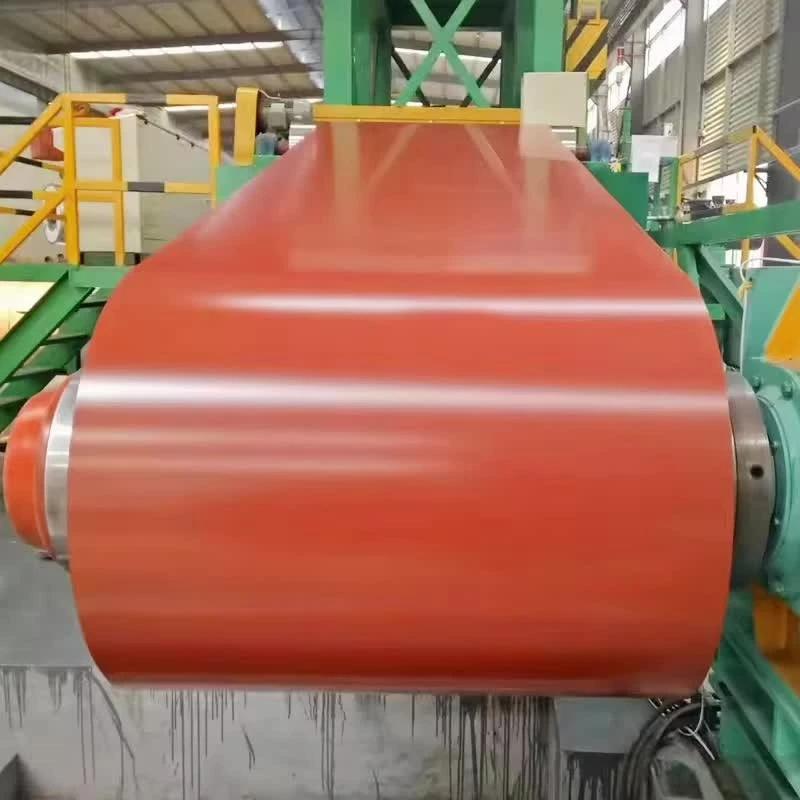

Inspection
The first step is a thorough inspection. You gotta take a close look at the damage. Is it just a small scratch on the surface, or is the paint completely peeled off in some areas? Check the edges and corners especially, as these are the most vulnerable parts. Use a magnifying glass if you need to get a better view. Note down the location, size, and severity of the damage. This will help you decide on the best course of action.
Minor Scratches
If it's just a minor scratch, there are a few ways to fix it. One option is to use a touch - up paint. You can find touch - up paints that match the color of your painted aluminum coil. First, clean the scratched area with a mild detergent and water to remove any dirt or debris. Then, dry it completely. Apply the touch - up paint carefully using a small brush. Let it dry according to the manufacturer's instructions. Usually, it takes a few hours to dry completely. After that, you can use a fine - grit sandpaper to smooth out the edges of the touch - up area. This will make it blend in better with the surrounding paint.
Moderate Damage
For more moderate damage, like areas where the paint is starting to peel but not completely off, you might need to do a bit more work. Start by gently removing the loose paint using a plastic scraper. Be careful not to scratch the aluminum surface underneath. Once you've removed the loose paint, clean the area again with a degreaser to get rid of any oil or grease. Then, apply a primer. The primer will help the new paint adhere better. Let the primer dry for the recommended time. After that, you can apply a new layer of paint. You can use a spray paint for a more even finish. Make sure to apply it in thin, even coats and let each coat dry before applying the next one.
Severe Damage
When the damage is severe, like large areas of missing paint or deep scratches that expose the aluminum, it's a bit more complicated. In some cases, you might need to strip the remaining paint from the damaged area. You can use a chemical paint stripper for this. But be careful when using chemical strippers, as they can be dangerous. Wear protective gloves, goggles, and a respirator. Follow the instructions on the stripper carefully. After stripping the paint, sand the area to smooth out any rough edges. Then, apply a corrosion - resistant primer. This is important to prevent the aluminum from rusting. Once the primer is dry, you can repaint the area.
Prevention
Of course, prevention is always better than cure. When transporting painted aluminum coils, make sure they are properly packed. Use cushioning materials to protect them from bumps and shocks. During storage, keep the coils in a dry, clean environment. Avoid storing them near chemicals or in areas with high humidity. Regularly inspect the coils in storage to catch any potential problems early.
As a painted aluminum coil supplier, I understand the importance of having high - quality products. That's why I'm always here to help you with any issues you might face. Whether you're interested in Aluminum Coated Roll, Pre Painted Aluminum Sheet, or Prefinished Aluminum Coils, I can provide you with top - notch products.
If you have any questions about painted aluminum coils, handling damage, or if you're looking to make a purchase, don't hesitate to reach out. I'm more than happy to have a chat and help you find the best solutions for your needs.
References
- Aluminum Coil Handling and Storage Guidelines - Industry Best Practices
- Paint Repair and Restoration Manual for Metal Surfaces