

Hey there! I'm an aluminum coil supplier, and I know how frustrating it can be to deal with burrs when cutting aluminum coils. Burrs not only affect the appearance of the cut edges but can also pose safety risks and cause issues in subsequent processing steps. In this blog, I'm gonna share some tips on how to cut aluminum coil without causing burrs.
Understanding the Basics
First things first, let's understand what causes burrs. Burrs are formed when the cutting tool fails to cleanly separate the aluminum coil, leaving behind small, jagged edges. This can happen due to several reasons, such as dull cutting tools, incorrect cutting speeds, improper feed rates, or the wrong type of cutting tool for the specific aluminum alloy.
Choosing the Right Cutting Tool
One of the most important factors in cutting aluminum coil without burrs is choosing the right cutting tool. There are several types of cutting tools available, each with its own advantages and disadvantages.
Circular Saw Blades
Circular saw blades are a popular choice for cutting aluminum coil. They are relatively inexpensive and can be used for both straight and curved cuts. When choosing a circular saw blade for aluminum, look for one with a high tooth count and a carbide tip. The high tooth count helps to ensure a smooth cut, while the carbide tip provides durability and resistance to wear.
Band Saw Blades
Band saw blades are another option for cutting aluminum coil. They are ideal for long, straight cuts and can be used to cut through thick aluminum coils. When using a band saw, make sure to use a blade with a fine tooth pitch and a slow feed rate. This will help to prevent the blade from overheating and causing burrs.
Laser Cutting
Laser cutting is a precision cutting method that uses a high-powered laser beam to cut through the aluminum coil. It is ideal for cutting complex shapes and patterns with high accuracy. Laser cutting produces clean, burr-free edges and is often used in the aerospace and automotive industries. However, laser cutting equipment can be expensive, and it may not be suitable for small-scale operations.
Preparing the Aluminum Coil
Before cutting the aluminum coil, it's important to prepare it properly. This will help to ensure a smooth, burr-free cut.
Cleaning the Coil
Make sure the aluminum coil is clean and free of any dirt, debris, or oil. This will help to prevent the cutting tool from slipping and causing burrs. You can clean the coil using a mild detergent and a soft cloth.
Marking the Cut Line
Use a straightedge and a marker to mark the cut line on the aluminum coil. This will help to ensure a straight, accurate cut. Make sure the cut line is clearly visible and that it is perpendicular to the edges of the coil.
Securing the Coil
Secure the aluminum coil to the cutting table using clamps or a vise. This will help to prevent the coil from moving during the cutting process and causing burrs. Make sure the coil is firmly secured and that it is not warped or bent.
Setting the Cutting Parameters
Once you have chosen the right cutting tool and prepared the aluminum coil, it's time to set the cutting parameters. This includes the cutting speed, feed rate, and depth of cut.
Cutting Speed
The cutting speed refers to the speed at which the cutting tool rotates or moves across the aluminum coil. The cutting speed should be adjusted based on the type of cutting tool, the thickness of the aluminum coil, and the specific aluminum alloy. Generally, a slower cutting speed is recommended for thicker aluminum coils and harder aluminum alloys.
Feed Rate
The feed rate refers to the speed at which the aluminum coil is fed into the cutting tool. The feed rate should be adjusted based on the cutting speed, the type of cutting tool, and the thickness of the aluminum coil. Generally, a slower feed rate is recommended for thicker aluminum coils and harder aluminum alloys.
Depth of Cut
The depth of cut refers to the thickness of the aluminum coil that is being cut with each pass of the cutting tool. The depth of cut should be adjusted based on the type of cutting tool, the thickness of the aluminum coil, and the specific aluminum alloy. Generally, a shallower depth of cut is recommended for thicker aluminum coils and harder aluminum alloys.
Using the Right Cutting Technique
In addition to choosing the right cutting tool and setting the cutting parameters, it's also important to use the right cutting technique. This will help to ensure a smooth, burr-free cut.
Making Straight Cuts
When making straight cuts, make sure to keep the cutting tool perpendicular to the aluminum coil. Use a straightedge or a guide to help you keep the cut line straight. Apply steady pressure to the cutting tool and avoid forcing it through the aluminum coil.
Making Curved Cuts
When making curved cuts, use a template or a pattern to guide the cutting tool. Make sure to keep the cutting tool moving smoothly and steadily along the curve. Avoid making sudden stops or starts, as this can cause burrs.
Finishing the Cut
After making the cut, use a deburring tool to remove any small burrs or rough edges. You can also use a sandpaper or a file to smooth the edges of the cut. This will help to ensure a clean, professional-looking finish.
Maintaining the Cutting Tool
To ensure a consistent, burr-free cut, it's important to maintain the cutting tool properly. This includes sharpening the tool regularly and replacing it when it becomes worn or damaged.
Sharpening the Tool
Regularly sharpen the cutting tool to ensure a sharp, clean cut. You can use a sharpening stone or a sharpening machine to sharpen the tool. Make sure to follow the manufacturer's instructions when sharpening the tool.
Replacing the Tool
Replace the cutting tool when it becomes worn or damaged. A dull or damaged cutting tool can cause burrs and other cutting problems. Make sure to use the same type and size of cutting tool as the original.
Conclusion
Cutting aluminum coil without causing burrs requires the right cutting tool, proper preparation, the correct cutting parameters, and the right cutting technique. By following these tips, you can ensure a smooth, burr-free cut and produce high-quality aluminum products.
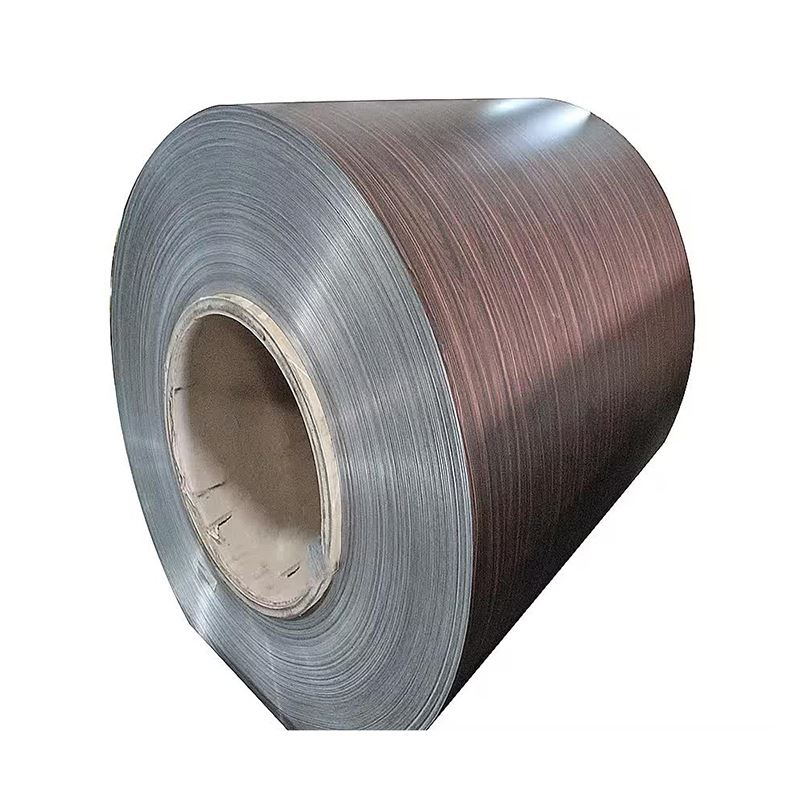
If you're in the market for high-quality aluminum coils, we've got you covered. We offer a wide range of Paint Aluminum Coil, Aluminium Paint Coil, and Prepainted Aluminum Coil. Our products are known for their durability, quality, and excellent finish. If you're interested in learning more about our aluminum coils or have any questions about the cutting process, feel free to reach out. We're here to assist you with all your aluminum coil needs and look forward to discussing potential procurement opportunities with you.
References
- "Aluminum Cutting Guide," The Fabricator, https://www.thefabricator.com/article/cutting/aluminum-cutting-guide
- "Cutting Aluminum: Tips and Techniques," Machine Design, https://www.machinedesign.com/materials/article/21836770/cutting-aluminum-tips-and-techniques
- "How to Cut Aluminum Without Burrs," Metal Supermarkets, https://www.metalsupermarkets.com/how-to-cut-aluminum-without-burrs/