

Accurately cutting aluminum coil rolls is a crucial process that impacts the quality and usability of the final product. As an aluminum coil roll supplier, I understand the significance of precision cutting in various industries. In this blog post, I'll share some effective methods and considerations for achieving accurate cuts on aluminum coil rolls.
Understanding Aluminum Coil Rolls
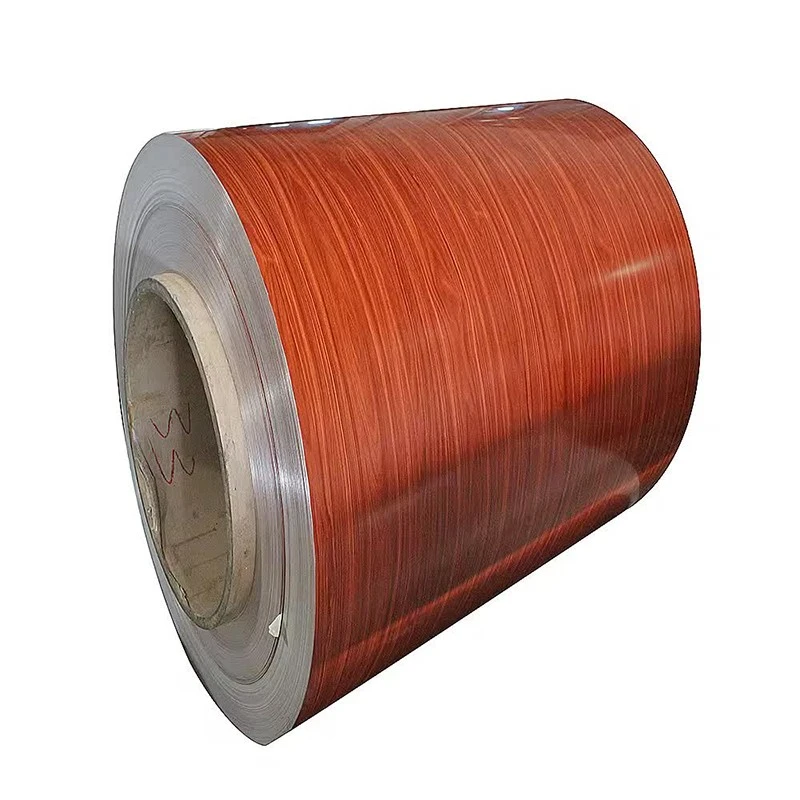
Before delving into the cutting process, it's essential to have a good understanding of aluminum coil rolls. Aluminum coil rolls come in different thicknesses, widths, and coatings. For instance, Aluminum Coated Roll offers enhanced protection and durability, while Color Aluminium Coil provides aesthetic appeal. Pre Painted Aluminium is also popular for its decorative and protective qualities.
The characteristics of the aluminum, such as its hardness, temper, and alloy composition, can significantly affect the cutting process. Softer aluminum alloys are generally easier to cut, while harder alloys may require more powerful cutting tools and techniques.
Tools for Cutting Aluminum Coil Rolls
- Shearing Machines: Shearing machines are one of the most common tools for cutting aluminum coil rolls. They work by applying a shearing force to the material, separating it along a straight line. There are different types of shearing machines, including manual, hydraulic, and pneumatic shears. Hydraulic shears are often preferred for their high cutting force and precision, making them suitable for cutting thick aluminum coil rolls.
- Slitting Machines: Slitting machines are used to cut wide aluminum coil rolls into narrower strips. They consist of a set of circular blades that rotate and slice through the material. Slitting machines can achieve very accurate cuts, with minimal burrs and edge deformation. They are commonly used in industries where narrow aluminum strips are required, such as in the production of electrical components and automotive parts.
- Laser Cutting Machines: Laser cutting machines use a high - energy laser beam to melt and vaporize the aluminum, creating a clean and precise cut. Laser cutting is suitable for cutting complex shapes and patterns on aluminum coil rolls. It offers high accuracy, minimal heat - affected zones, and can cut through various thicknesses of aluminum. However, laser cutting machines are relatively expensive and require skilled operators.
- Circular Saws: Circular saws can be used for cutting aluminum coil rolls, especially for smaller projects or when a portable cutting solution is needed. They are available in different sizes and blade types. It's important to use a saw blade specifically designed for cutting aluminum to ensure a clean cut and prevent blade damage.
Preparation Before Cutting
- Inspect the Aluminum Coil Roll: Before cutting, carefully inspect the aluminum coil roll for any defects, such as scratches, dents, or uneven surfaces. These defects can affect the cutting process and the quality of the final product. If any defects are found, they should be addressed or the affected areas should be marked and avoided during cutting.
- Measure and Mark the Cutting Line: Use a measuring tape and a marking tool to accurately measure and mark the cutting line on the aluminum coil roll. Make sure the markings are clear and visible. Double - check the measurements to ensure accuracy, especially when cutting multiple pieces to the same size.
- Secure the Aluminum Coil Roll: Properly secure the aluminum coil roll to prevent it from moving during the cutting process. This can be done using clamps or other holding devices. If the coil roll is not secured, it can lead to inaccurate cuts and potential safety hazards.
Cutting Techniques
- Set the Cutting Parameters: When using cutting machines, it's important to set the appropriate cutting parameters. For shearing machines, this includes the cutting speed, blade clearance, and cutting force. For slitting machines, the blade speed, feed rate, and blade pressure need to be adjusted correctly. In laser cutting, the laser power, cutting speed, and focus distance are critical parameters that affect the cutting quality.
- Maintain a Steady Cutting Motion: Whether using a shearing machine, a circular saw, or a laser cutter, maintaining a steady and consistent cutting motion is essential for achieving accurate cuts. Avoid sudden stops or starts during the cutting process, as this can cause uneven cuts and damage to the material.
- Check the Cutting Quality Continuously: During the cutting process, regularly check the cutting quality. Look for signs of burrs, rough edges, or uneven cuts. If any issues are detected, adjust the cutting parameters or the cutting tool immediately to correct the problem.
Quality Control After Cutting
- Measure the Cut Pieces: After cutting, measure the cut pieces to ensure they meet the required dimensions. Use a caliper, a micrometer, or other measuring tools to check the length, width, and thickness of the pieces. If the dimensions are not within the specified tolerance, the pieces may need to be re - cut or adjusted.
- Inspect the Edges: Inspect the edges of the cut pieces for burrs, sharp edges, or other defects. Burrs can be removed using deburring tools, such as files or sandpaper. Sharp edges should be smoothed to prevent injuries during handling and assembly.
- Check for Surface Damage: Examine the surface of the cut pieces for any signs of damage, such as scratches or dents. Surface damage can affect the appearance and performance of the final product. If surface damage is found, appropriate measures should be taken to repair or replace the affected pieces.
Safety Considerations
- Wear Personal Protective Equipment (PPE): When cutting aluminum coil rolls, always wear appropriate PPE, including safety glasses, gloves, and ear protection. Safety glasses protect your eyes from flying debris, gloves protect your hands from sharp edges and cuts, and ear protection reduces the risk of hearing damage from the noise generated by cutting machines.
- Follow Machine Safety Guidelines: Each cutting machine has its own set of safety guidelines. Make sure to read and understand these guidelines before operating the machine. This includes proper machine setup, maintenance, and emergency stop procedures.
- Keep the Work Area Clean: A clean work area reduces the risk of accidents. Remove any debris, scrap metal, or other objects from the work area. Keep the cutting tools and equipment in good condition and store them properly when not in use.
Conclusion
Accurately cutting aluminum coil rolls requires a combination of the right tools, proper preparation, and careful execution. By understanding the characteristics of the aluminum, choosing the appropriate cutting method, and following the correct procedures, you can achieve high - quality cuts that meet the requirements of your applications.
As an aluminum coil roll supplier, I am committed to providing high - quality aluminum products and technical support. If you are in the market for aluminum coil rolls or need advice on cutting techniques, I encourage you to reach out to me. Let's start a conversation about your specific needs and how we can work together to meet them.

References
- ASM Handbook Volume 6: Welding, Brazing, and Soldering. ASM International.
- Aluminum Association Technical Papers. Aluminum Association.
- Metal Cutting Handbook, Third Edition. McGraw - Hill Professional.