

Hey there! As a supplier of Coating Aluminum Coil, I've been in the business long enough to know that controlling the coating thickness on an aluminum coil is super crucial. It can make or break the quality of the final product. So, let's dive right into how you can achieve that perfect coating thickness.
Understanding the Importance of Coating Thickness
First off, why does coating thickness matter so much? Well, a proper coating thickness ensures the durability of the aluminum coil. If the coating is too thin, it won't provide enough protection against corrosion, scratches, and other environmental factors. On the flip side, if it's too thick, it can lead to issues like cracking, peeling, and uneven appearance.
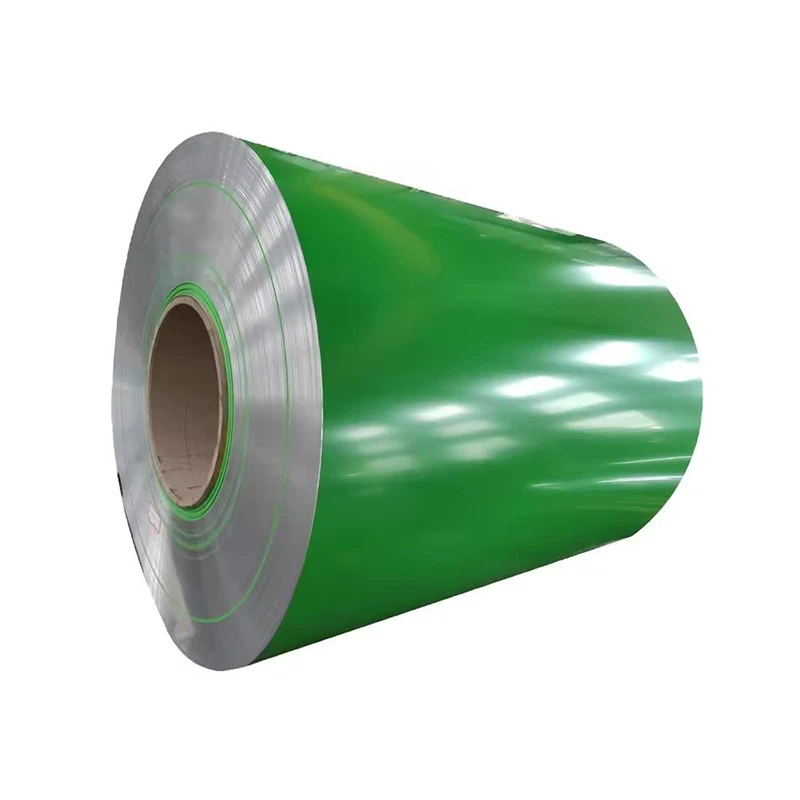
Imagine you're using Painted Aluminum Coil for an outdoor project. If the paint coating is too thin, it'll start to fade and chip away in no time, leaving the aluminum exposed to rust. But if it's too thick, the paint might not adhere properly, and you'll end up with a messy finish.
Factors Affecting Coating Thickness
There are several factors that can influence the coating thickness on an aluminum coil. Let's take a look at some of the main ones.
Coating Material
The type of coating material you use plays a big role. Different coatings have different viscosities, which affect how they spread on the surface of the aluminum coil. For example, a high - viscosity coating will tend to be thicker compared to a low - viscosity one.
Application Method
The way you apply the coating also matters. There are various methods like roller coating, spray coating, and dip coating. Roller coating usually gives a more consistent thickness as the rollers can be adjusted to apply a specific amount of coating. Spray coating, on the other hand, can be a bit trickier to control, but it's great for covering large areas quickly.
Coil Speed
The speed at which the aluminum coil moves through the coating process is another important factor. If the coil moves too fast, the coating might not have enough time to spread evenly, resulting in a thinner coating. If it moves too slowly, it can lead to an overly thick coating.
Temperature and Humidity
The environmental conditions during the coating process can have a significant impact. High temperatures can cause the coating to dry too quickly, which might affect the final thickness. Humidity can also affect the way the coating dries and adheres to the coil.
Techniques to Control Coating Thickness
Now that we know what factors affect coating thickness, let's talk about some techniques to control it.
Pre - Treatment
Before applying the coating, it's essential to properly prepare the surface of the aluminum coil. This includes cleaning it to remove any dirt, grease, or oxide layers. A clean surface ensures better adhesion of the coating and helps in achieving a more consistent thickness.
Calibration of Equipment
Regularly calibrating your coating equipment is crucial. For roller coaters, make sure the rollers are properly aligned and adjusted to the correct pressure. For spray guns, check the nozzle size and pressure settings to ensure they are delivering the right amount of coating.

Monitoring and Testing
Continuously monitor the coating thickness during the process. You can use tools like coating thickness gauges to measure the thickness at different points on the coil. Take samples at regular intervals and test them to make sure the thickness is within the desired range.
Process Optimization
Analyze your coating process regularly and look for ways to optimize it. This could involve adjusting the coil speed, changing the application method, or modifying the coating material. For example, if you find that the coating is too thick in certain areas, you might need to slow down the coil speed or reduce the amount of coating being applied.
Case Study: Color Coating Aluminum Coil
Let's take a look at a real - world example of controlling coating thickness, specifically with Color Coating Aluminum Coil.
We had a customer who needed a color - coated aluminum coil for an architectural project. They wanted a specific color and a consistent coating thickness across the entire coil.
First, we pre - treated the aluminum coil to ensure a clean surface. Then, we used a roller coating method because it allowed us to have better control over the coating thickness. We calibrated the rollers to apply a specific amount of the color coating material.
During the process, we monitored the coating thickness using a coating thickness gauge. We took samples every few meters and measured the thickness to make sure it was within the tolerance range specified by the customer.
After the coating was applied, we cured the coil in an oven at the appropriate temperature. This helped to ensure that the coating adhered properly and had the right finish. The end result was a high - quality color - coated aluminum coil with a consistent coating thickness, which the customer was very happy with.
Tips for Consistent Coating Thickness
Here are some additional tips to help you achieve consistent coating thickness on your aluminum coils.
Train Your Staff
Make sure your employees are well - trained in the coating process. They should understand how to operate the equipment correctly and how to monitor the coating thickness.
Keep Records
Keep detailed records of the coating process, including the coating material used, the application method, the coil speed, and the coating thickness measurements. This will help you identify any trends or issues and make adjustments as needed.
Quality Control Checks
Implement regular quality control checks throughout the production process. This can help you catch any problems early on and prevent defective products from reaching the market.
Conclusion
Controlling the coating thickness on an aluminum coil is a complex but essential process. By understanding the factors that affect coating thickness, using the right techniques, and following some best practices, you can achieve a high - quality, consistent coating on your aluminum coils.
Whether you're using Painted Aluminum Coil for a small DIY project or a large - scale industrial application, getting the coating thickness right is key to the success of your project.
If you're in the market for high - quality Coating Aluminum Coil and want to learn more about how we ensure the perfect coating thickness, feel free to reach out and start a procurement discussion. We're here to help you get the best product for your needs.
References
- "Coating Technology Handbook" - A comprehensive guide on coating processes and techniques.
- "Aluminum Coil Manufacturing: Best Practices" - A publication that provides insights into the manufacturing of aluminum coils and the coating process.