

Hey there! As a supplier of Coating Aluminum Coil, I know how important it is to keep these coils clean. A clean coated aluminum coil not only looks better but also has a longer lifespan and maintains its performance. So, let's dive into how you can effectively clean a coated aluminum coil.
Understanding Coated Aluminum Coils
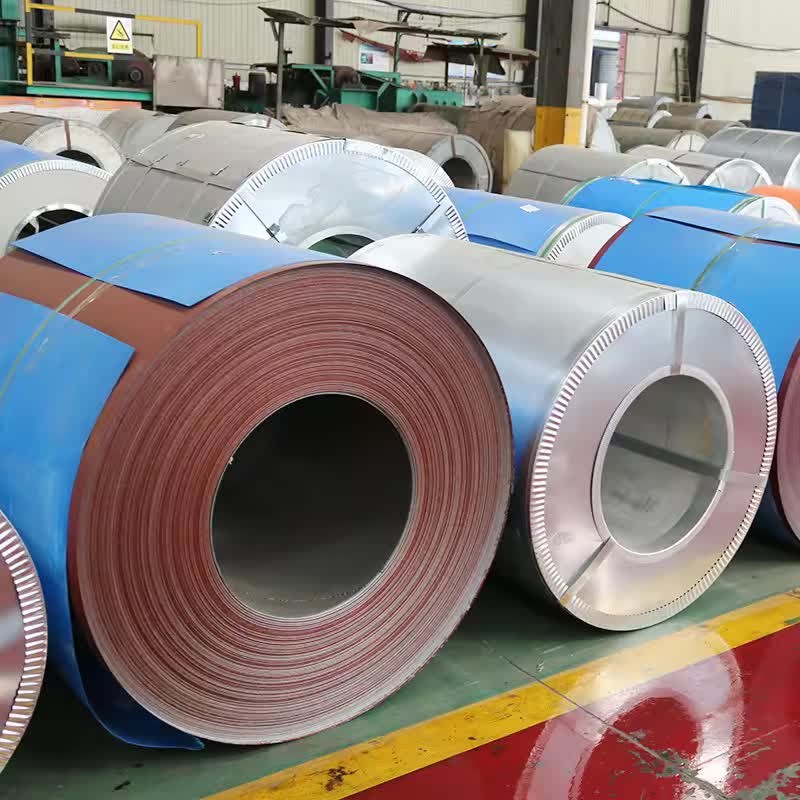
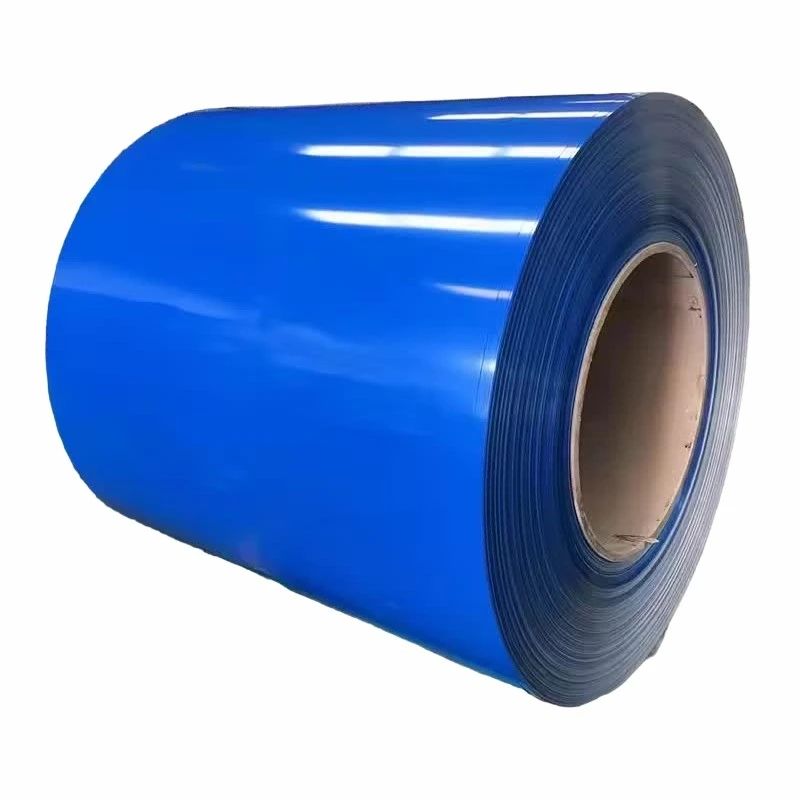
First off, coated aluminum coils are super versatile. They're used in a bunch of industries, from construction to automotive. You've got different types, like the Painted Aluminium Coil which offers a decorative finish and protection against the elements. There's also the 3003 Aluminum Coil, known for its good formability and corrosion resistance, often with a special coating. And don't forget the Aluminum Paint Coil that gives a high - quality painted look.
The coating on these coils is there to protect the aluminum from corrosion, scratches, and other damage. But over time, dirt, grime, and other contaminants can build up on the surface, which is why regular cleaning is a must.
Pre - Cleaning Checks
Before you start cleaning, it's important to do a quick inspection of the coil. Look for any signs of damage to the coating, like chips, scratches, or peeling. If you find any, it's best to address these issues first. You might need to touch up the coating using a suitable paint or coating product recommended by the manufacturer.
Also, check the type of coating on the coil. Different coatings may require different cleaning methods. For example, some coatings are more sensitive to harsh chemicals, while others can withstand a bit more of a heavy - duty clean.
Gathering Your Cleaning Supplies
You don't need a whole bunch of fancy stuff to clean a coated aluminum coil. Here's what you'll need:
- Mild Detergent: Choose a pH - neutral detergent. Avoid using products with harsh chemicals like bleach or ammonia, as these can damage the coating.
- Soft Brush or Sponge: A soft - bristle brush or a sponge is perfect for gently scrubbing the surface without scratching the coating.
- Hose or Water Source: You'll need water to rinse off the coil. A garden hose works great, or you can use a bucket of water if you're cleaning a small section.
- Ladder (if needed): Depending on where the coil is located, you might need a ladder to reach it safely.
The Cleaning Process
Step 1: Rinse the Coil
Start by giving the coil a good rinse with water. This will help remove any loose dirt, dust, or debris. Use a gentle stream of water from the hose and make sure to cover the entire surface of the coil. This initial rinse will make the next steps of the cleaning process much easier.
Step 2: Prepare the Cleaning Solution
Fill a bucket with warm water and add a small amount of the mild detergent. Mix it well until you get a soapy solution. Don't make it too strong; just a little bit of detergent is enough to do the job.
Step 3: Scrub the Coil
Dip your soft brush or sponge into the cleaning solution and gently scrub the coil. Work in small sections, starting from the top and moving down. Use a back - and - forth or circular motion to loosen the dirt and grime. Be careful not to scrub too hard, especially if the coating is thin or delicate. Pay special attention to areas that are more dirty, like the bottom of the coil or areas near corners.
Step 4: Rinse Again
Once you've scrubbed the entire coil, rinse it thoroughly with clean water. Make sure to remove all the soap residue. Any leftover detergent can leave streaks or damage the coating over time. Use a strong stream of water to ensure that all the dirt and soap are washed away.
Step 5: Dry the Coil
After rinsing, allow the coil to air dry. You can also use a clean, soft cloth to gently pat it dry if you want to speed up the process. Avoid using abrasive materials to dry the coil, as this can scratch the coating.
Dealing with Stubborn Stains
Sometimes, you might encounter stubborn stains on the coated aluminum coil. Here are a few tips on how to handle them:
- Oil and Grease Stains: If you have oil or grease stains, you can try using a mild degreaser. Make sure it's safe for use on coated aluminum. Apply the degreaser according to the manufacturer's instructions, let it sit for a few minutes, and then scrub gently with a soft brush and rinse well.
- Rust Stains: Although coated aluminum coils are resistant to rust, you might still find some rust stains if the coating has been damaged. You can use a rust remover that is specifically designed for aluminum. Be careful when using rust removers, as they can be quite strong. Always follow the instructions on the product label.
Maintenance Tips
To keep your coated aluminum coil looking its best, here are some maintenance tips:
- Regular Cleaning: Make it a habit to clean the coil regularly. Depending on the environment, you might need to clean it every few months or once a year. Regular cleaning will prevent dirt and grime from building up and damaging the coating.
- Inspect the Coating: Periodically check the coating for any signs of damage. If you notice any chips or scratches, touch them up as soon as possible to prevent corrosion.
- Avoid Harsh Chemicals: As I mentioned earlier, stay away from harsh chemicals when cleaning the coil. This includes solvents, abrasive cleaners, and acidic or alkaline substances.
Why Clean Coated Aluminum Coils Matter
Clean coated aluminum coils are not just aesthetically pleasing. They also perform better and last longer. A clean surface allows the coating to do its job properly, protecting the aluminum from corrosion and other forms of damage. This means that your investment in these coils will pay off in the long run, as you won't have to replace them as often.
Reach Out for Your Coating Aluminum Coil Needs
If you're in the market for high - quality Coating Aluminum Coils, whether it's the Painted Aluminium Coil, 3003 Aluminum Coil, or Aluminum Paint Coil, we're here for you. Our coils are made with top - notch materials and coatings, ensuring durability and performance. Don't hesitate to reach out for a quote or to discuss your specific requirements. We're always happy to help you find the perfect solution for your projects.
References
- "Aluminum Coil Handbook" - A comprehensive guide on the properties and maintenance of aluminum coils.
- Manufacturer's guidelines for coated aluminum coils.