

Hey there! I'm an aluminum coil supplier, and I know that bending aluminum coil without cracking can be a real headache. But don't worry, I've got some tips and tricks that'll help you get the job done right.
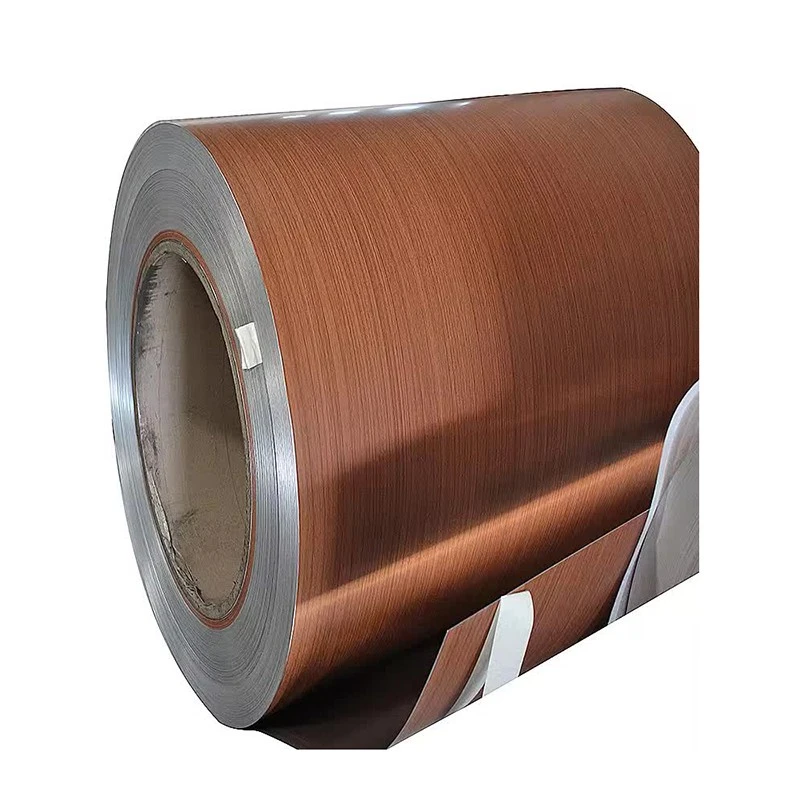

First things first, let's talk about why aluminum coils crack when you try to bend them. Aluminum is a soft metal, but it can still be brittle if it's not treated properly. When you bend an aluminum coil, you're putting stress on the metal, and if that stress is too much, the coil will crack. There are a few factors that can contribute to this, like the thickness of the coil, the type of aluminum, and the bending method you're using.
Understanding Your Aluminum Coil
Before you start bending, it's important to understand the type of aluminum coil you're working with. Different alloys have different properties, and some are more bendable than others. For example, 1100 and 3003 alloys are known for their good formability, which means they're easier to bend without cracking. On the other hand, alloys like 5052 and 6061 are stronger but less ductile, so they can be a bit trickier to bend.
You also need to consider the thickness of the coil. Thicker coils are generally more difficult to bend than thinner ones because they require more force. If you're working with a thick coil, you might need to use a more powerful bending machine or a different bending technique.
Preparing Your Aluminum Coil
Once you've chosen the right aluminum coil for your project, it's time to prepare it for bending. One of the most important steps is to anneal the coil. Annealing is a heat treatment process that softens the aluminum and makes it more ductile. To anneal your coil, you'll need to heat it to a specific temperature and then let it cool slowly. The exact temperature and time will depend on the type of aluminum and the thickness of the coil, so it's a good idea to consult a professional or refer to a technical manual.
Another important step is to clean the coil. Any dirt, grease, or other contaminants on the surface of the coil can cause it to crack during bending. You can clean the coil using a mild detergent and water, or you can use a specialized aluminum cleaner. Make sure to dry the coil thoroughly before you start bending.
Choosing the Right Bending Method
There are several different methods you can use to bend aluminum coils, and the right method for you will depend on the shape and size of the bend you need to make. Here are some of the most common bending methods:
- Press Brake Bending: This is one of the most popular methods for bending aluminum coils. A press brake is a machine that uses a punch and die to bend the coil into the desired shape. Press brake bending is ideal for making straight bends and simple curves.
- Roll Bending: Roll bending is a method that uses a set of rollers to bend the coil into a circular or curved shape. This method is often used for making pipes, tubes, and other cylindrical shapes.
- Rotary Draw Bending: Rotary draw bending is a more precise method that uses a mandrel to support the inside of the coil during bending. This method is ideal for making tight bends and complex shapes.
Tips for Bending Aluminum Coil Without Cracking
Now that you know the basics of bending aluminum coils, here are some tips to help you avoid cracking:
- Use the Right Tooling: Make sure you're using the right tooling for your bending machine. The tooling should be the correct size and shape for the coil you're bending, and it should be in good condition.
- Apply the Right Amount of Force: When you're bending the coil, it's important to apply the right amount of force. Too much force can cause the coil to crack, while too little force won't bend the coil enough. You might need to experiment a bit to find the right amount of force for your specific coil and bending method.
- Bend Slowly and Steadily: Bending the coil too quickly can cause it to crack. Instead, bend the coil slowly and steadily, and make sure to apply the force evenly across the entire width of the coil.
- Support the Coil: When you're bending the coil, it's important to support it properly. This will help prevent the coil from warping or cracking during bending. You can use a support table or a set of rollers to support the coil.
- Inspect the Coil: After you've bent the coil, inspect it carefully for any signs of cracking or damage. If you notice any cracks, you might need to rework the coil or start over.
Conclusion
Bending aluminum coil without cracking can be a challenge, but it's definitely doable if you follow the right steps. By choosing the right aluminum coil, preparing it properly, using the right bending method, and following these tips, you can ensure that your bends are smooth and crack-free.
If you're in the market for high-quality aluminum coils, I'd love to help. I offer a wide range of Color Coating Aluminum Coil, Aluminum Coated Roll, and Aluminium Paint Coil that are perfect for a variety of applications. Whether you're a DIY enthusiast or a professional contractor, I've got the products and expertise you need to get the job done right.
So, if you have any questions or if you're ready to place an order, don't hesitate to get in touch. Let's work together to find the perfect aluminum coil for your project!
References
- "Aluminum Alloys: Properties and Applications" - A technical guide to aluminum alloys and their properties.
- "Bending Aluminum: Best Practices and Techniques" - An article that provides tips and techniques for bending aluminum.
- "Annealing Aluminum: A Step-by-Step Guide" - A guide to the annealing process for aluminum.