

As a seasoned supplier of Aluminum Paint Coil, I've witnessed firsthand the intricate relationship between the thickness of these coils and their performance. In this blog, I'll delve into the various aspects of how the thickness of aluminum paint coil can significantly impact its performance, which is crucial for both our customers and the industry as a whole.
1. Structural Integrity and Durability
The thickness of an aluminum paint coil plays a fundamental role in determining its structural integrity. Thicker coils generally offer greater strength and resistance to deformation. When used in construction projects, for example, a thicker aluminum paint coil can better withstand external forces such as wind, snow, and impact. This is particularly important in areas prone to extreme weather conditions.
In industrial settings, where the coils may be exposed to mechanical stress during handling or operation, a thicker gauge provides enhanced durability. It reduces the risk of dents, scratches, and other forms of damage that could compromise the appearance and functionality of the product. For instance, in manufacturing plants where aluminum paint coils are used for equipment enclosures, a thicker coil can protect the internal components from accidental impacts and environmental factors.
However, it's important to note that increasing the thickness also adds to the weight of the coil. This can have implications for transportation and installation costs. Therefore, a balance needs to be struck between the desired level of durability and the practical considerations of weight and cost.
2. Corrosion Resistance
Another critical aspect affected by the thickness of aluminum paint coil is its corrosion resistance. Aluminum naturally forms a thin oxide layer on its surface, which provides some level of protection against corrosion. However, a thicker paint coating on the coil can further enhance this protection.
The paint acts as a barrier between the aluminum substrate and the surrounding environment, preventing moisture, oxygen, and other corrosive agents from reaching the metal. A thicker paint layer can offer a more robust and long - lasting defense against corrosion, especially in harsh outdoor environments or industrial settings with high levels of pollutants.
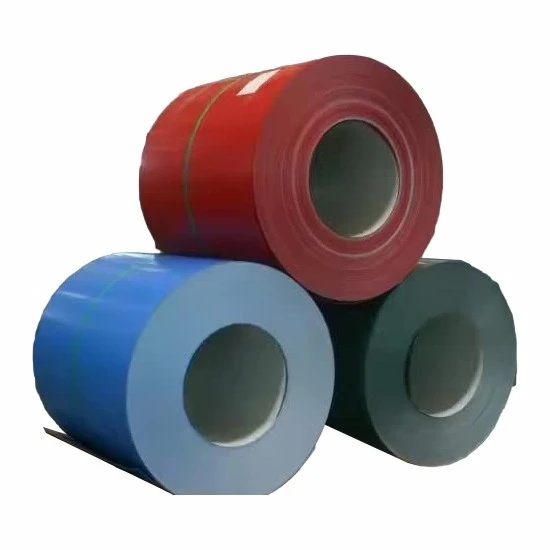
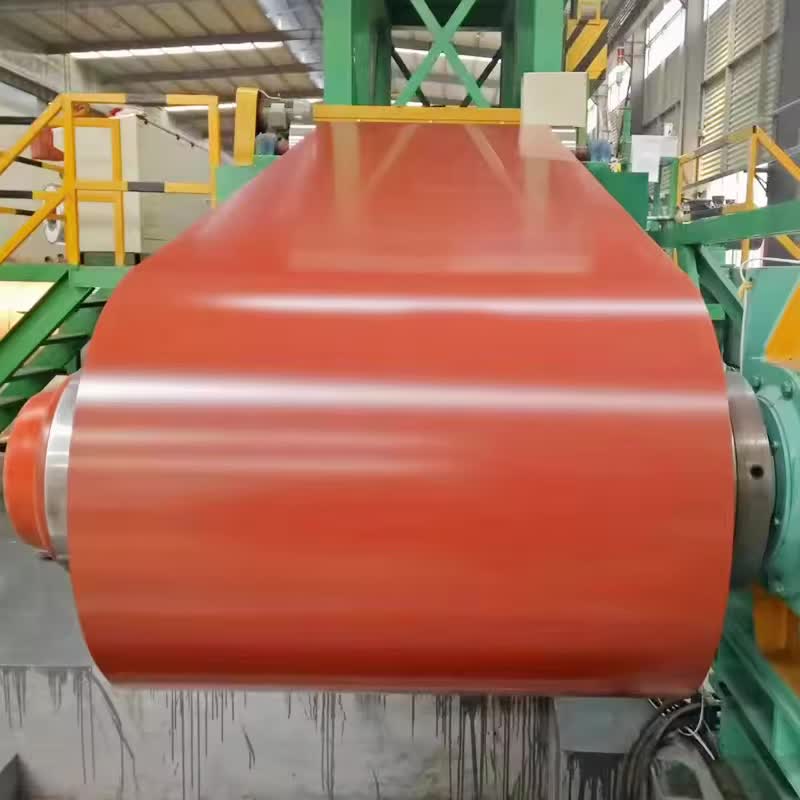
For example, in coastal areas where the air contains saltwater, a thicker aluminum paint coil can resist the corrosive effects of salt spray for a longer period. Similarly, in chemical plants, where the coils may be exposed to various chemicals, a thicker paint coating can provide better protection against chemical corrosion.
It's worth mentioning that the quality of the paint and the application process also play important roles in corrosion resistance. But a thicker paint layer on the aluminum coil provides an additional safeguard.
3. Thermal Performance
The thickness of aluminum paint coil can influence its thermal performance. Aluminum is a good conductor of heat, and the paint coating on the coil can affect how heat is transferred through the material.
A thicker paint layer can act as an insulator, reducing the rate of heat transfer. This can be beneficial in both hot and cold climates. In hot climates, a thicker painted aluminum coil on a building's exterior can help keep the interior cooler by reducing the amount of heat that enters the building. In cold climates, it can help prevent heat loss from the building, improving energy efficiency.
Moreover, the color of the paint also interacts with the thickness to affect thermal performance. Dark - colored paints tend to absorb more heat, while light - colored paints reflect more heat. A thicker paint layer can enhance these effects, allowing for more precise control of the thermal properties of the aluminum coil.
4. Aesthetic Appeal
In addition to the functional aspects, the thickness of aluminum paint coil can also impact its aesthetic appeal. A thicker paint layer can provide a more uniform and smooth finish, enhancing the overall appearance of the product.
It can cover minor surface imperfections on the aluminum substrate, resulting in a more visually appealing surface. This is particularly important in applications where the appearance of the aluminum coil is a key factor, such as in architectural facades or decorative elements.
Different paint thicknesses can also create different visual effects. For example, a very thick paint layer may give a more luxurious and high - end look, while a thinner layer may provide a more subtle and understated appearance. Customers can choose the appropriate thickness based on their aesthetic preferences and the design requirements of the project.
5. Cost - Benefit Analysis
When considering the thickness of aluminum paint coil, a cost - benefit analysis is essential. Thicker coils generally come with a higher price tag due to the increased amount of materials and potentially more complex manufacturing processes.
However, as we've discussed, they offer several advantages in terms of durability, corrosion resistance, thermal performance, and aesthetic appeal. Customers need to evaluate whether the benefits outweigh the additional cost.
For large - scale projects with long - term use and high - performance requirements, investing in thicker aluminum paint coils may be a wise choice. On the other hand, for short - term projects or applications where the performance requirements are relatively low, a thinner coil may be sufficient and more cost - effective.
Making the Right Choice
As a supplier of Aluminum Paint Coil, I understand that choosing the right thickness is a complex decision. It involves considering multiple factors such as the intended application, environmental conditions, budget, and aesthetic preferences.
If you're in the market for Aluminum Sheet Coil, Aluminium Coated Roll, or Aluminium Coating Coil, I'm here to help. Our team of experts can provide you with detailed information and guidance to ensure that you select the most suitable aluminum paint coil thickness for your specific needs.
Don't hesitate to reach out to us for a consultation. We're committed to providing high - quality products and excellent customer service to help you achieve the best results for your projects.
References
- "Aluminum Alloys: Structure and Properties" by John E. Hatch
- "Corrosion of Aluminum and Its Alloys" by G. P. Tryon
- "Thermal Properties of Building Materials" by Robert M. Plank