

Hey there! I'm a supplier of 3003 aluminum coils, and today I wanna chat about how the surface treatment of 3003 aluminum coil affects its corrosion resistance. You see, 3003 aluminum coil is super popular in a bunch of industries because of its good formability, moderate strength, and decent corrosion resistance. But the right surface treatment can take that corrosion resistance to a whole new level.
First off, let's talk about why corrosion resistance matters. In many applications, like construction, automotive, and packaging, aluminum coils are exposed to all sorts of harsh environments. Moisture, chemicals, and even just the air can cause corrosion over time. Corrosion not only makes the aluminum look bad but can also weaken its structure, which is a big no - no in most cases. So, a high level of corrosion resistance is crucial for the long - term performance and durability of 3003 aluminum coils.
One of the most common surface treatments is anodizing. Anodizing is like creating a super - tough skin on the aluminum. It's an electrochemical process that thickens the natural oxide layer on the surface of the aluminum. When we anodize 3003 aluminum coil, we put it in an electrolytic solution and pass an electric current through it. This causes oxygen ions to react with the aluminum, forming a hard, porous oxide layer.
This anodized layer acts as a barrier between the aluminum and the outside environment. It's very resistant to corrosion because it's chemically stable and doesn't react easily with most substances. For example, in coastal areas where the air is full of salt, anodized 3003 aluminum coils can last much longer than non - anodized ones. The salt in the air is a major cause of corrosion, but the anodized layer protects the aluminum from the salt's corrosive effects.
Another great thing about anodizing is that it can be dyed. We can give the aluminum coil different colors while still maintaining its corrosion resistance. This is really useful in applications where aesthetics matter, like in architectural facades. You can have a beautiful - looking building with anodized 3003 aluminum panels that also last for years without getting corroded.
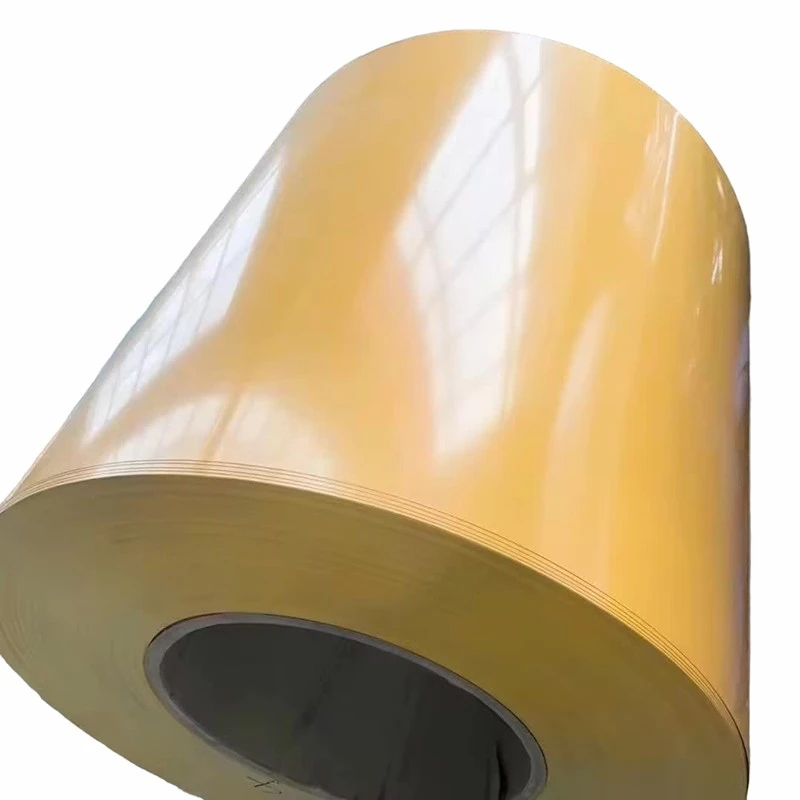
Now, let's move on to painting. Painting is another effective way to improve the corrosion resistance of 3003 aluminum coils. When we paint the aluminum, we're basically adding a protective coating on top of it. There are different types of paints that can be used, like Painted Aluminum Coil.
The paint forms a physical barrier that prevents moisture, oxygen, and chemicals from reaching the aluminum surface. For instance, in industrial settings where there are a lot of chemical fumes, a well - painted 3003 aluminum coil can resist corrosion much better. The paint can be formulated to be resistant to specific chemicals, so we can customize the protection based on the environment the coil will be in.
However, the quality of the paint job is really important. If the surface isn't properly prepared before painting, the paint might not adhere well, and corrosion can still occur under the paint. So, we usually clean and prime the aluminum surface first to make sure the paint sticks and provides good protection.
Color coating is also a popular option. Color Coating Aluminum Coil combines the benefits of both painting and a more advanced coating process. Color coating involves applying a layer of polymer - based paint to the aluminum. This coating is very durable and can provide excellent corrosion resistance.
The color - coated layer is more flexible than a regular paint layer, which means it can better withstand mechanical stress and bending without cracking. This is really useful in applications where the aluminum coil needs to be formed into different shapes, like in the manufacturing of automotive parts. The color - coated 3003 aluminum coil can be bent and shaped without losing its protective properties.
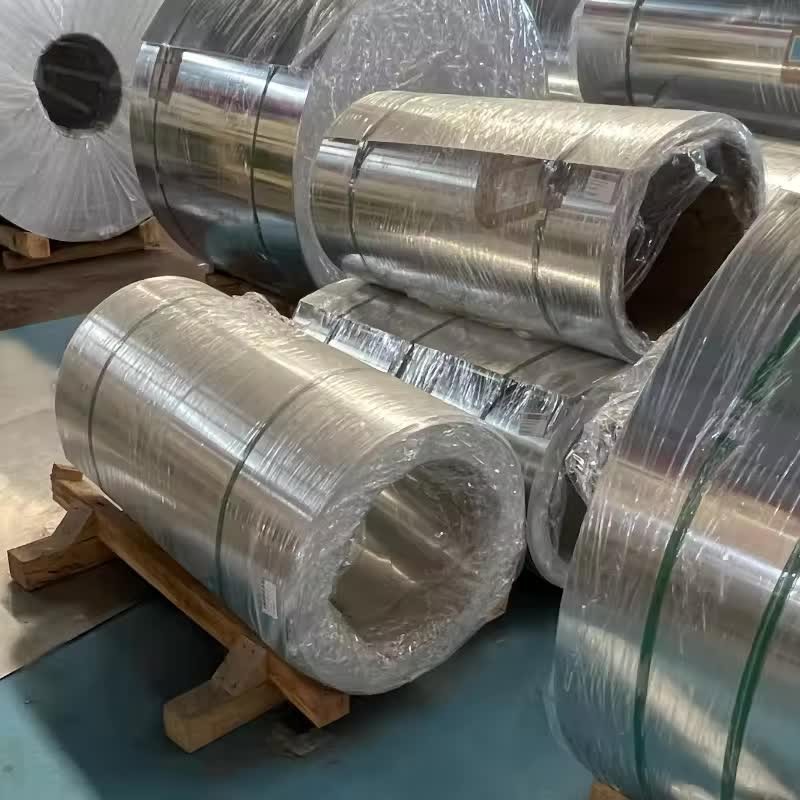
On the other hand, if we don't do any surface treatment at all, the 3003 aluminum coil will rely on its natural oxide layer for corrosion resistance. The natural oxide layer is very thin, usually only a few nanometers thick. While it does offer some protection, it's not as effective as the layers created through anodizing, painting, or color coating.
In a relatively mild environment, the natural oxide layer might be enough to prevent corrosion for a while. But in more aggressive environments, like in areas with high humidity or industrial pollution, the natural oxide layer can break down quickly, and corrosion will start to occur.
There's also the case of powder coating. Powder coating is a dry finishing process where a fine powder is electrostatically applied to the aluminum coil. The powder is then heated, which causes it to melt and form a smooth, hard coating. Aluminum Coil Roll can be powder - coated to enhance its corrosion resistance.
Powder coating has several advantages. It provides a uniform and thick coating, which means better protection against corrosion. It's also more environmentally friendly than some liquid painting processes because it doesn't use solvents. And like anodizing and color coating, powder coating can come in a variety of colors, so it can meet different aesthetic requirements.
So, as you can see, the surface treatment of 3003 aluminum coil has a huge impact on its corrosion resistance. Whether it's anodizing, painting, color coating, or powder coating, each method has its own unique benefits and is suitable for different applications.
If you're in the market for 3003 aluminum coils and need a high level of corrosion resistance, we're here to help. We can offer you a wide range of surface - treated 3003 aluminum coils to meet your specific needs. Whether it's for a construction project, an automotive application, or something else, we've got the right solution for you. Just reach out to us, and we can start a great discussion about your requirements and how we can provide the best 3003 aluminum coils for your project.
References
- ASM Handbook Volume 5: Surface Engineering. ASM International.
- Aluminum Association Publications on Aluminum Surface Treatment and Corrosion.