

The quality of painted aluminum coil can vary significantly due to multiple factors, which are crucial for both suppliers like me and customers. As a painted aluminum coil supplier, I have witnessed firsthand how different elements influence the quality of our products. In this blog, I will delve into the key aspects that cause the variation in the quality of painted aluminum coils.
Raw Material Quality
The foundation of a high - quality painted aluminum coil lies in the raw materials. Aluminum alloy is the base material, and its composition and purity are of utmost importance. Different aluminum alloys have distinct mechanical properties, corrosion resistance, and formability. For instance, 3000 - series aluminum alloys, known for their good corrosion resistance and moderate strength, are commonly used in painted aluminum coils for general applications. On the other hand, 5000 - series alloys offer higher strength and better corrosion resistance in marine environments.
The purity of the aluminum also plays a role. Higher - purity aluminum generally has fewer impurities, which can result in a more uniform surface and better paint adhesion. Impurities such as iron, silicon, and copper can affect the alloy's properties and may lead to surface defects after painting. When we source our raw aluminum, we work closely with reliable suppliers to ensure that the alloys meet our strict quality standards. We conduct regular inspections and tests on the incoming raw materials to verify their composition and purity. This initial step is essential in producing painted aluminum coils of consistent quality.
Surface Preparation
The surface of the aluminum coil must be properly prepared before painting to ensure good paint adhesion and a smooth finish. There are several steps involved in surface preparation, including cleaning, degreasing, and chemical conversion coating.
Cleaning is the first and most basic step. The aluminum coil may have dirt, dust, or oil residues on its surface during the manufacturing and transportation process. These contaminants can prevent the paint from adhering properly. We use specialized cleaning agents and techniques to remove these impurities thoroughly. Degreasing is also crucial, especially if the coil has been in contact with lubricants during rolling or forming operations.
After cleaning and degreasing, a chemical conversion coating is often applied. This coating creates a thin layer on the aluminum surface that improves paint adhesion and provides additional corrosion protection. The most common types of conversion coatings are chromate and non - chromate coatings. Chromate coatings have been widely used in the past due to their excellent corrosion resistance and paint adhesion properties. However, due to environmental concerns, non - chromate coatings are becoming more popular. The quality of the surface preparation process can vary depending on the equipment, chemicals used, and the expertise of the operators. A well - prepared surface will result in a painted aluminum coil with better durability and appearance.
Paint Quality and Application
The quality of the paint used on the aluminum coil is another significant factor. There are different types of paints available for aluminum coil coating, such as polyester, fluorocarbon, and acrylic paints. Each type of paint has its own characteristics in terms of durability, color retention, and weather resistance.
Polyester paints are cost - effective and offer good general - purpose performance. They are suitable for indoor applications or environments with relatively low exposure to harsh weather conditions. Fluorocarbon paints, on the other hand, are known for their excellent weather resistance, color retention, and anti - pollution properties. They can withstand long - term exposure to sunlight, rain, and extreme temperatures without significant fading or deterioration. Acrylic paints provide a good balance between cost and performance, with decent weather resistance and a smooth finish.
The application of the paint also affects the quality of the painted aluminum coil. The paint should be applied evenly to ensure a consistent color and thickness across the entire surface of the coil. The thickness of the paint layer is critical; too thin a layer may not provide adequate protection, while too thick a layer can lead to cracking or peeling. We use advanced coating equipment and techniques to ensure precise paint application. Our operators are trained to control factors such as paint viscosity, spraying pressure, and conveyor speed to achieve the optimal paint thickness and finish.
Manufacturing Process and Quality Control
The manufacturing process of painted aluminum coils involves several steps, including slitting, coating, curing, and inspection. Each step must be carefully controlled to ensure the quality of the final product.
During the slitting process, the aluminum coil is cut into the desired width. Any inaccuracies in slitting can result in uneven edges or width variations, which may affect the subsequent coating process. The coating process, as mentioned earlier, requires precise control of paint application. After coating, the coil is cured in an oven to dry and harden the paint. The curing temperature and time are crucial parameters. If the curing temperature is too low or the time is too short, the paint may not fully cure, leading to poor adhesion and durability. Conversely, if the temperature is too high or the time is too long, the paint may over - cure, causing brittleness and cracking.
Quality control is an integral part of the manufacturing process. We have a comprehensive quality control system in place to monitor every stage of production. This includes regular inspections of raw materials, in - process checks during manufacturing, and final inspections of the finished products. We use various testing methods, such as adhesion tests, salt spray tests, and colorimetry, to ensure that our painted aluminum coils meet the required quality standards.
Environmental and Storage Conditions
The environmental conditions during the manufacturing, transportation, and storage of painted aluminum coils can also affect their quality. High humidity and temperature can cause the paint to dry unevenly, leading to surface defects such as blisters or orange - peel effects. During transportation, the coils should be properly protected to prevent damage from impacts or vibrations.
Storage conditions are equally important. Painted aluminum coils should be stored in a dry, well - ventilated area away from direct sunlight and corrosive substances. If the coils are stored in a damp environment, they may be prone to corrosion, which can compromise the integrity of the paint and the aluminum substrate.

Impact on Customers
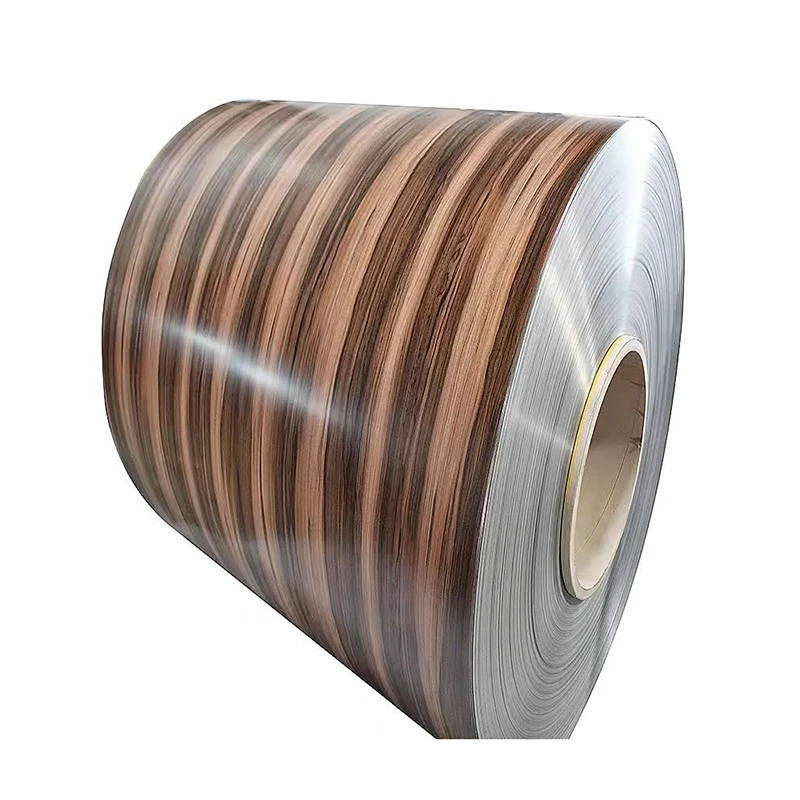
The variation in the quality of painted aluminum coils can have a significant impact on customers. High - quality painted aluminum coils offer better durability, corrosion resistance, and aesthetic appeal. They can last longer in various applications, reducing the need for frequent replacements. This is particularly important for applications such as building facades, roofing, and automotive parts, where the appearance and performance of the material are critical.
On the other hand, low - quality painted aluminum coils may experience premature paint peeling, fading, or corrosion, which can lead to costly repairs and replacements. Customers may also face issues with the formability and workability of the coils if the base aluminum material or the paint quality is poor.
Conclusion
In conclusion, the quality of painted aluminum coils can vary due to a multitude of factors, including raw material quality, surface preparation, paint quality and application, manufacturing process, and environmental conditions. As a [Painted Aluminum Coil Supplier], we are committed to producing high - quality products by carefully controlling each of these factors. We source the best raw materials, use advanced manufacturing techniques, and implement strict quality control measures to ensure that our painted aluminum coils meet the highest standards.
If you are interested in purchasing high - quality painted aluminum coils, we invite you to explore our Pre Painted Aluminum Coil and Premium Coils product lines. Our Prepainted Aluminum Coil offers excellent performance and aesthetic appeal for a wide range of applications. Contact us today to discuss your specific requirements and start a procurement negotiation.
References
- Aluminum Association. (2020). Aluminum Standards and Data.
- Paint Manufacturers Association. (2019). Guide to Coating Aluminum Surfaces.
- International Organization for Standardization (ISO). (2018). ISO Standards for Aluminum Coil Quality.