

How does the paint on aluminum coil resist corrosion?
As a supplier of paint aluminum coils, I've witnessed firsthand the remarkable ability of painted aluminum coils to withstand the test of time and environmental challenges. Corrosion is a persistent threat to metal structures, but the paint on aluminum coils acts as a powerful shield, protecting the underlying metal from damage. In this blog post, I'll delve into the science behind how the paint on aluminum coils resists corrosion and explore the key factors that contribute to its effectiveness.
The Basics of Corrosion
Before we dive into the specifics of how paint resists corrosion, let's first understand what corrosion is and why it occurs. Corrosion is a natural process that involves the deterioration of a metal due to its reaction with its environment. In the case of aluminum, corrosion typically occurs when the metal comes into contact with oxygen, water, or other corrosive substances. When aluminum reacts with oxygen, it forms a thin layer of aluminum oxide on its surface. While this layer provides some protection against further corrosion, it can be easily damaged or penetrated by aggressive chemicals or mechanical forces.
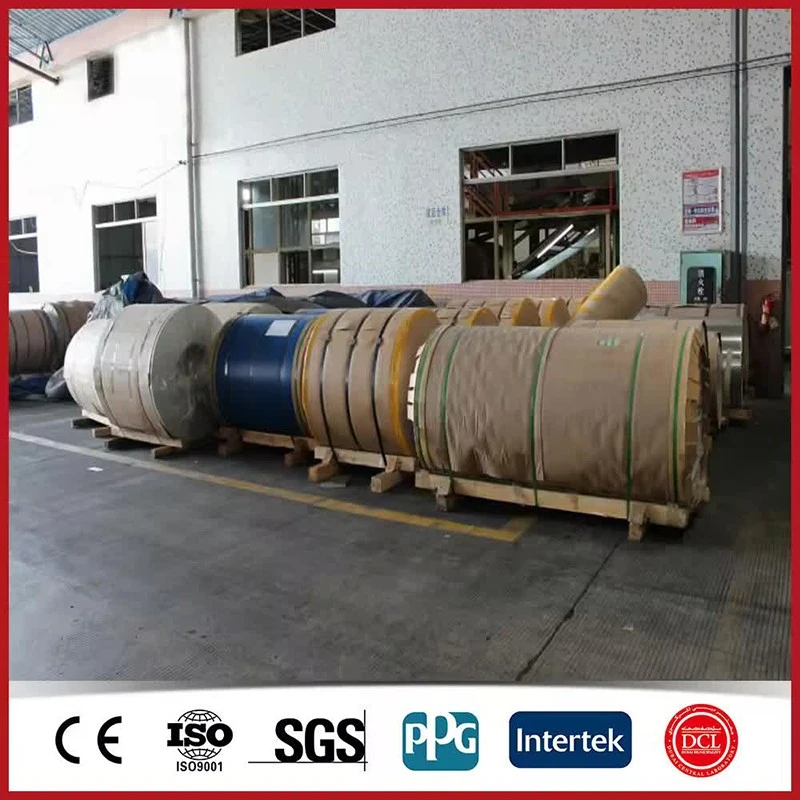
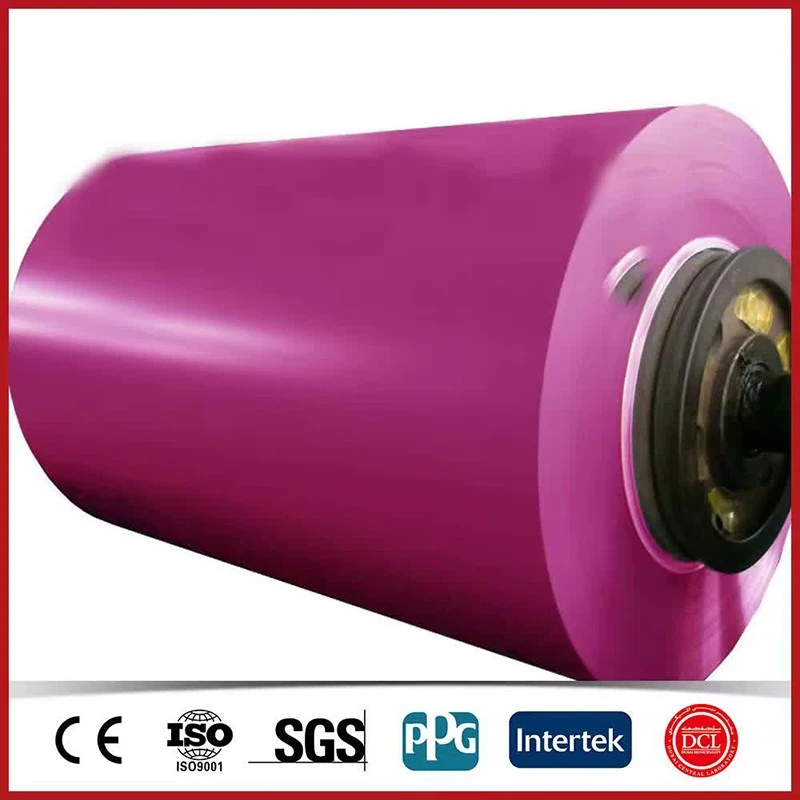
How Paint Protects Aluminum Coils
The paint on aluminum coils serves as a physical barrier between the metal and the environment, preventing corrosive substances from coming into contact with the aluminum surface. Here's how it works:
- Physical Barrier: The paint forms a continuous layer on the surface of the aluminum coil, creating a physical barrier that blocks the entry of oxygen, water, and other corrosive agents. This barrier prevents the aluminum from reacting with these substances, thereby inhibiting the corrosion process.
- Chemical Resistance: High-quality paint formulations are designed to be chemically resistant to a wide range of corrosive substances, including acids, alkalis, salts, and solvents. This chemical resistance ensures that the paint remains intact and effective even when exposed to harsh environmental conditions.
- Adhesion: The paint must adhere firmly to the aluminum surface to provide long-lasting protection. A strong bond between the paint and the aluminum prevents the paint from peeling or flaking off, which could expose the underlying metal to corrosion.
Key Factors Affecting Corrosion Resistance
Several factors influence the effectiveness of the paint on aluminum coils in resisting corrosion. Here are some of the most important ones:
- Paint Quality: The quality of the paint used is crucial for achieving optimal corrosion resistance. High-quality paints are formulated with advanced resins, pigments, and additives that provide superior protection against corrosion. They are also designed to be durable, flexible, and resistant to fading, chalking, and cracking.
- Surface Preparation: Proper surface preparation is essential for ensuring good adhesion between the paint and the aluminum surface. Before painting, the aluminum coil must be thoroughly cleaned and treated to remove any dirt, grease, oxide, or other contaminants. This can be done through processes such as degreasing, etching, and priming.
- Coating Thickness: The thickness of the paint coating plays a significant role in its corrosion resistance. A thicker coating provides better protection by increasing the physical barrier between the aluminum and the environment. However, it's important to note that there is an optimal coating thickness for each type of paint and application. Too thick of a coating can lead to issues such as cracking, peeling, and poor adhesion.
- Environmental Conditions: The environmental conditions to which the painted aluminum coil is exposed can also affect its corrosion resistance. Factors such as temperature, humidity, UV radiation, and pollution levels can all impact the performance of the paint. For example, exposure to high humidity and saltwater can accelerate the corrosion process, while UV radiation can cause the paint to fade and degrade over time.
Types of Paint for Aluminum Coils
There are several types of paint that can be used on aluminum coils, each with its own unique properties and advantages. Here are some of the most common types:
- Polyester (PE): Polyester paint is a popular choice for aluminum coils due to its good balance of cost, performance, and durability. It offers moderate corrosion resistance, good weatherability, and a wide range of color options. PE paint is commonly used in applications where cost is a major consideration, such as residential and commercial building facades.
- Plastisol (PVC): Plastisol paint is a thick, flexible coating that provides excellent corrosion resistance and durability. It is highly resistant to abrasion, impact, and chemicals, making it suitable for applications in harsh environments, such as industrial buildings, transportation equipment, and marine structures.
- Fluorocarbon (PVDF): Fluorocarbon paint is considered the gold standard for aluminum coil coatings due to its superior corrosion resistance, weatherability, and color retention. It is highly resistant to UV radiation, chemicals, and environmental pollutants, making it ideal for applications in high-end architectural projects, exterior cladding, and signage.
Application of Paint on Aluminum Coils
The application of paint on aluminum coils is a precise and controlled process that requires specialized equipment and expertise. Here's a general overview of the steps involved:
- Surface Preparation: As mentioned earlier, the aluminum coil must be thoroughly cleaned and treated before painting to ensure good adhesion between the paint and the aluminum surface.
- Priming: A primer is often applied to the aluminum surface before the topcoat to improve adhesion and provide additional corrosion protection. The primer is typically a thin layer of paint that is specifically formulated for use on aluminum.
- Painting: The paint is applied to the aluminum coil using a coating machine, such as a roll coater or a spray gun. The coating machine applies the paint evenly and consistently to the surface of the coil, ensuring a smooth and uniform finish.
- Curing: After the paint is applied, the aluminum coil is passed through a curing oven to dry and harden the paint. The curing process typically involves heating the coil to a specific temperature for a set period of time. This process ensures that the paint forms a strong and durable bond with the aluminum surface.
Conclusion
The paint on aluminum coils plays a vital role in protecting the underlying metal from corrosion. By forming a physical barrier, providing chemical resistance, and adhering firmly to the aluminum surface, the paint helps to extend the lifespan of the aluminum coil and maintain its aesthetic appearance. As a supplier of paint aluminum coils, I'm committed to providing high-quality products that offer superior corrosion resistance and performance. Whether you're looking for Colored Aluminum Coil, Color Coating Aluminum Coil, or Coated Aluminum Roll, I can help you find the right solution for your specific needs.
If you're interested in learning more about our paint aluminum coils or have any questions about corrosion resistance, please don't hesitate to contact us. We'd be happy to discuss your requirements and provide you with a customized solution. Let's work together to ensure the long-term durability and performance of your aluminum coil applications.
References
- "Corrosion Protection of Aluminum Alloys" by ASM International
- "Paint and Coating Technology" by Elsevier
- "Surface Preparation and Coating Application for Aluminum" by Finishing Systems