

As a supplier of Paint Aluminium Coil, I've been deeply involved in understanding the various aspects of this product, especially how the paint on aluminium coil affects its fire - resistance. In this blog, I'll share some in - depth knowledge on this topic, which I believe will be valuable for those in the construction, manufacturing, and related industries.

The Basics of Aluminium Coil and Its Paints
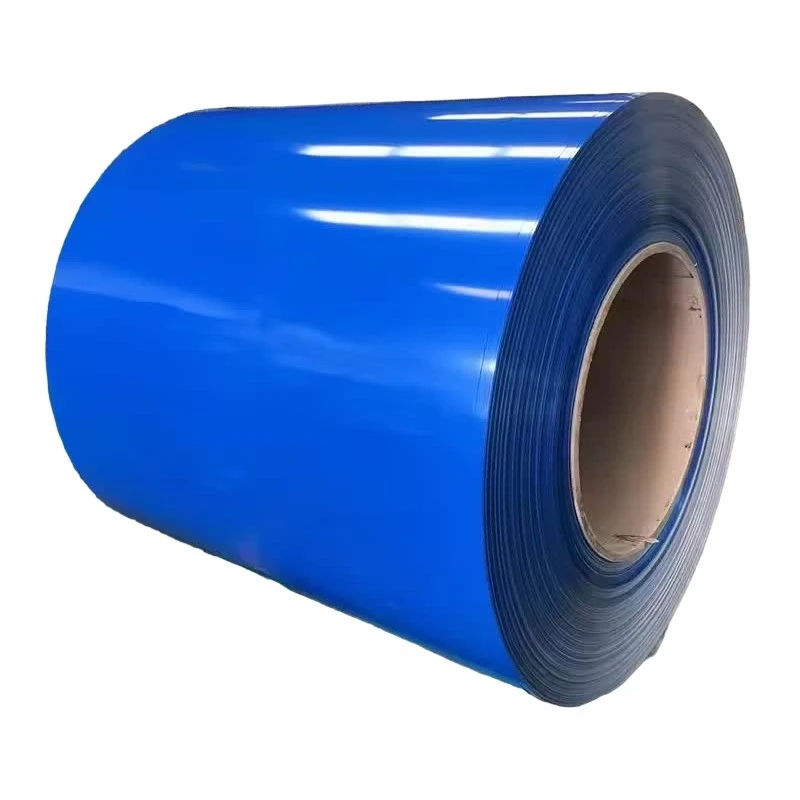
Aluminium coils are widely used in numerous applications due to their lightweight, high strength - to - weight ratio, and corrosion resistance. When it comes to painting aluminium coils, the reasons are multifold. Paints can enhance the aesthetic appeal of the coils, providing a wide range of colors and finishes. For example, Colored Aluminum Coil is highly sought after for architectural facades, interior decoration, and automotive parts because of its vibrant and long - lasting colors.
Moreover, paints can act as a protective layer, preventing the aluminium from direct contact with the environment, thus reducing the risk of corrosion. There are different types of paints used on aluminium coils, such as polyester, fluorocarbon, and epoxy. Each type has its own set of properties that can influence the fire - resistance of the coated aluminium coil.
How Paint Influences Fire - Resistance
1. Thermal Insulation
One of the primary ways paint affects fire - resistance is through thermal insulation. Some high - performance paints are formulated to have low thermal conductivity. When a fire occurs, these paints can slow down the transfer of heat from the fire to the aluminium coil. For instance, certain intumescent paints expand when exposed to high temperatures. This expansion creates a thick, insulating char layer on the surface of the aluminium coil. The char layer acts as a barrier, reducing the rate at which heat reaches the aluminium substrate.
The chemical composition of the paint plays a crucial role in this process. Paints with inorganic fillers, such as mica or ceramic particles, can enhance the thermal insulation properties. These fillers have high melting points and can withstand high temperatures without degrading, thus providing better protection to the aluminium coil during a fire.
2. Oxygen Barrier
Another important factor is the ability of the paint to act as an oxygen barrier. Fire requires oxygen to burn, and by reducing the oxygen supply to the aluminium coil, the paint can slow down or even prevent the combustion process. Some paints form a dense, continuous film on the surface of the aluminium. This film blocks the access of oxygen to the aluminium, making it more difficult for the metal to catch fire.
For example, fluorocarbon paints are known for their excellent chemical resistance and can form a very tight - knit film on the aluminium surface. This film not only protects the aluminium from corrosion but also acts as an effective oxygen barrier, enhancing the fire - resistance of the coil.
3. Flame Retardancy
Flame - retardant additives are often incorporated into the paint formulation. These additives work by interfering with the chemical reactions that occur during combustion. They can release non - flammable gases, such as carbon dioxide or water vapor, when heated. These gases dilute the flammable gases generated by the paint and the aluminium, reducing the likelihood of ignition and suppressing the spread of flames.
Phosphorus - based and halogen - based flame retardants are commonly used in paint formulations. However, the use of halogen - based flame retardants has become a subject of concern due to their potential environmental and health impacts. As a result, there is a growing trend towards the development and use of more environmentally friendly flame - retardant additives.
Factors Affecting the Effectiveness of Paint on Fire - Resistance
1. Paint Thickness
The thickness of the paint coating is a critical factor. A thicker paint layer generally provides better fire - resistance. However, there is a limit to how thick the paint can be applied. If the paint is too thick, it may crack or peel off during normal use or when exposed to thermal stress. Therefore, it is essential to find the optimal paint thickness that balances fire - resistance and practicality.
2. Surface Preparation
Proper surface preparation of the aluminium coil before painting is crucial for the effectiveness of the paint in terms of fire - resistance. If the surface is not clean or has contaminants, the paint may not adhere properly. Poor adhesion can lead to the formation of gaps or bubbles in the paint layer, which can compromise its ability to act as a thermal insulator or oxygen barrier.
3. Paint Quality
The quality of the paint itself is of utmost importance. High - quality paints are formulated with the right combination of ingredients to ensure good fire - resistance. They are also more likely to meet industry standards and regulations regarding fire safety. As a Pre Coated Aluminium supplier, we always source high - quality paints from reliable manufacturers to ensure the best performance of our products.
Real - World Applications and Case Studies
In the construction industry, painted aluminium coils are widely used in building facades, roofing, and interior partitions. For example, in high - rise buildings, the fire - resistance of the building materials is of critical importance for the safety of the occupants. Painted aluminium coils with good fire - resistance can help prevent the spread of fire from the exterior to the interior of the building.
In a recent project, a commercial building used our Aluminum Coated Roll for its facade. The paint on the coil was specifically formulated to have high fire - resistance. During a small fire incident in a neighboring building, the painted aluminium facade of the commercial building remained intact, preventing the fire from spreading and protecting the building and its occupants.
Conclusion
The paint on aluminium coil has a significant impact on its fire - resistance. Through thermal insulation, oxygen barrier effects, and flame retardancy, the right paint can greatly enhance the safety of the aluminium coil in the event of a fire. However, factors such as paint thickness, surface preparation, and paint quality need to be carefully considered to ensure the effectiveness of the paint.
If you are in the market for high - quality Paint Aluminium Coil with excellent fire - resistance, we are here to provide you with the best products and solutions. Our team of experts can help you choose the most suitable paint and coating for your specific application. Feel free to contact us for more information and to discuss your procurement needs.
References
- "Fire - Retardant Coatings for Metals" - Journal of Fire Science
- "Thermal Insulation and Fire - Resistance of Painted Aluminium Surfaces" - International Journal of Building Materials and Structures
- "Flame - Retardant Additives in Paint Formulations" - Chemical Reviews