

Hey there! As a supplier of ACP Interior Wall, I've been getting a lot of questions about how these panels perform when it comes to air permeability. So, I thought I'd take a deep dive into this topic and share some insights with you.

First off, let's talk about what air permeability is. In simple terms, it's the measure of how easily air can pass through a material. For interior walls, air permeability can have a big impact on a few different things, like indoor air quality, energy efficiency, and even the overall comfort of a space.
When it comes to ACP Interior Wall, the air permeability performance can vary depending on a few factors. One of the main factors is the type of ACP panel used. There are different kinds of ACPs out there, such as Perforated ACP Sheet and Perforated Aluminum Composite Panel. These perforated options are designed with small holes or perforations that allow air to pass through more easily compared to solid ACP panels.
The size and density of the perforations play a crucial role in determining the air permeability. If the perforations are larger and more densely spaced, the panel will generally have higher air permeability. This can be beneficial in situations where you want to improve ventilation within a room. For example, in commercial kitchens or areas with high humidity, a more permeable ACP Interior Wall can help remove stale air and moisture, reducing the risk of mold and mildew growth.
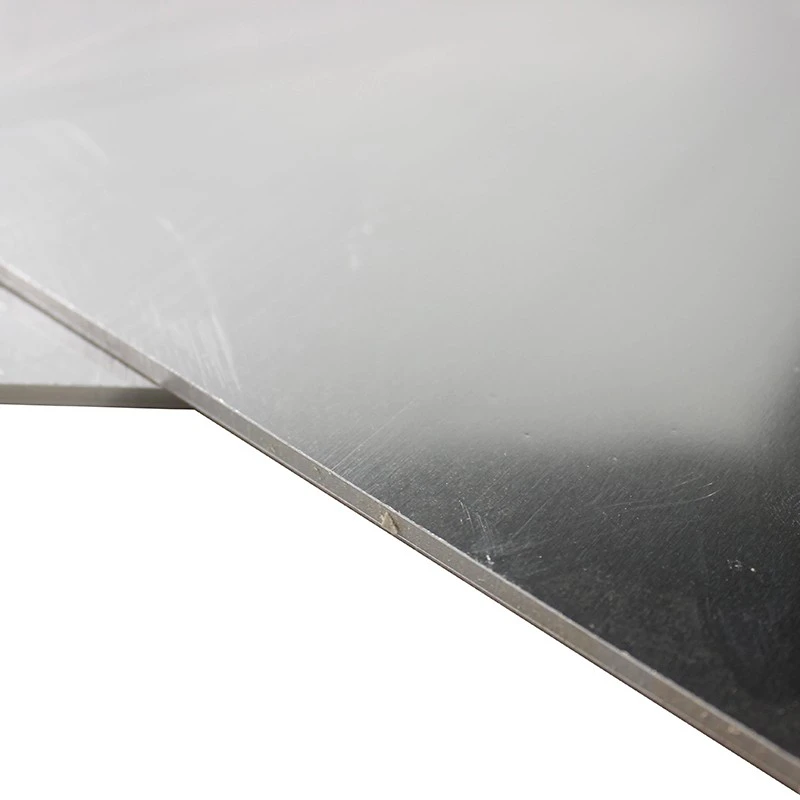
On the other hand, if you're looking for better insulation and want to minimize air leakage, solid ACP panels might be a better choice. Solid ACPs, like Marble Aluminum Composite Panel, have a lower air permeability because there are no holes for air to pass through. This can be great for areas where you need to maintain a specific temperature, such as in cold storage rooms or climate - controlled offices.
Another factor that affects air permeability is the installation of the ACP Interior Wall. Even if you have a panel with good air permeability characteristics, a poor installation can compromise its performance. For instance, if there are gaps or cracks around the edges of the panels during installation, air can leak through these areas, regardless of the panel's inherent air permeability. So, it's really important to ensure that the installation is done properly by experienced professionals.
Let's also consider the impact of air permeability on energy efficiency. In buildings, air leakage through walls can lead to significant energy losses. If an ACP Interior Wall has high air permeability and isn't properly sealed, heated or cooled air can escape, forcing the HVAC system to work harder to maintain the desired temperature. This not only increases energy consumption but also raises utility bills. So, when choosing an ACP Interior Wall, it's essential to strike a balance between the need for ventilation and energy efficiency.
In terms of indoor air quality, air permeability can be a double - edged sword. On one hand, a certain level of air permeability can help bring in fresh outdoor air and remove pollutants and odors from the indoor environment. This is especially important in spaces where people spend a lot of time, like offices, schools, and homes. However, if the outdoor air is polluted, too much air permeability can also let in harmful substances such as particulate matter, pollen, and pollutants.
To test the air permeability of ACP Interior Wall, there are standard testing methods available. These tests usually involve measuring the rate of air flow through the panel under specific pressure differentials. By conducting these tests, we can accurately determine the air permeability characteristics of the panels and provide reliable information to our customers.
As a supplier, I always recommend that customers carefully consider their specific needs when choosing an ACP Interior Wall. If you're in an area with good outdoor air quality and need better ventilation, a perforated ACP panel might be the way to go. But if energy efficiency and temperature control are your top priorities, a solid ACP panel could be more suitable.
We at our company have a wide range of ACP Interior Wall products to meet different requirements. Whether you're looking for a highly permeable panel for a specific application or a low - permeability option for insulation, we've got you covered.
If you're interested in learning more about our ACP Interior Wall products or want to discuss your specific project needs, don't hesitate to reach out. We're here to help you make the best choice for your space. You can contact us to start a conversation about your procurement and get all the details you need. We're eager to work with you and provide high - quality ACP Interior Wall solutions.
References
- Building Science Institute. "Air Permeability of Building Materials."
- International Building Code. "Standards for Wall Construction and Air Leakage."