

Can I paint over an Acp Color Sheet?
As a long - time supplier of Acp Color Sheets, I often get asked the question: "Can I paint over an Acp Color Sheet?" This is a valid concern for many customers who may want to change the appearance of their existing ACP installations or customize them according to their specific design needs. In this blog post, I'll delve into the technical aspects, pros and cons, and the process of painting over an Acp Color Sheet.
Understanding Acp Color Sheets
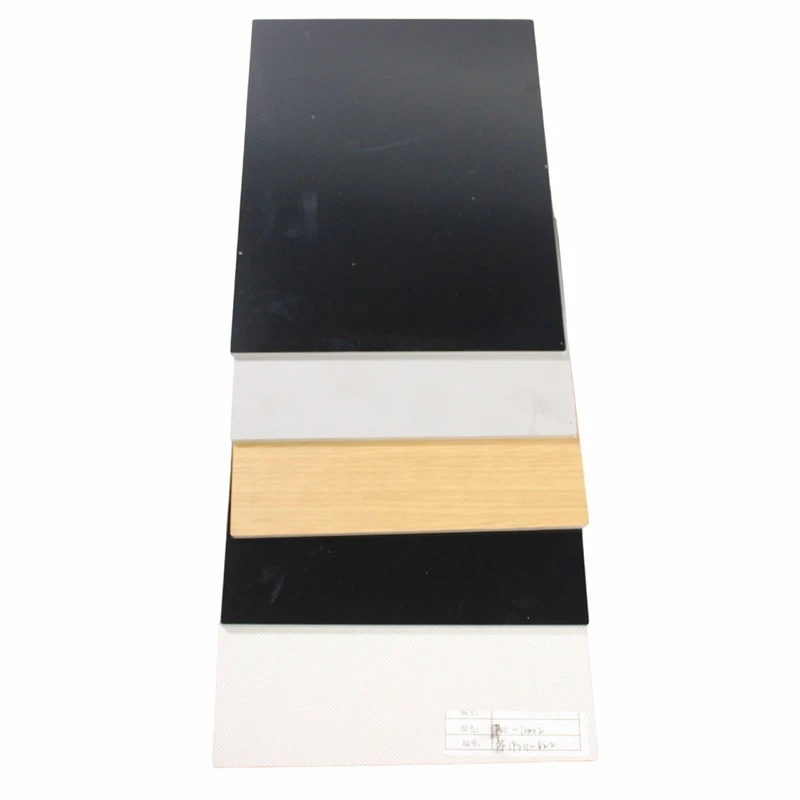
Acp, or Aluminum Composite Panel, consists of two thin aluminum sheets bonded to a non - aluminum core. These panels are popular for their versatility, durability, and aesthetic appeal. They come in a wide range of pre - fabricated colors, which are achieved through various coating processes such as powder coating and PVDF (Polyvinylidene Fluoride) coating. These coatings are designed to provide long - lasting protection against environmental factors like UV rays, corrosion, and weathering.
Aluminum Composite Wall Panels Aluminum Composite Wall Panels are widely used in building facades, while Fireproof Aluminum Composite Panel finds applications in areas where fire safety is a concern. The ACP Sheet for Kitchen is known for its easy - to - clean surface and modern look.
Can You Paint Over an Acp Color Sheet?
The short answer is yes, you can paint over an Acp Color Sheet. However, there are several factors to consider before you embark on this project.
Surface Preparation
The success of painting over an Acp Color Sheet largely depends on proper surface preparation. The existing coating on the ACP is smooth and designed to be durable, which means paint may not adhere well without proper treatment. First, you need to clean the surface thoroughly to remove dirt, grease, and any contaminants. You can use a mild detergent and water solution, followed by a rinse and a dry with a clean cloth.
After cleaning, the surface should be lightly sanded. Sanding creates a rough texture on the ACP, allowing the new paint to bond better. Use fine - grit sandpaper (around 220 - 320 grit) and sand in a circular motion to avoid creating visible scratches. Wipe away the sanding dust with a tack cloth.
Paint Selection
Not all paints are suitable for ACP. You need to choose a paint that is specifically formulated for metal surfaces. Epoxy - based paints are a popular choice as they offer good adhesion, durability, and resistance to chemicals and weathering. Acrylic paints can also be used, but they may not be as long - lasting as epoxy paints.
It's important to test the paint on a small, inconspicuous area of the ACP first. This will help you determine if the paint adheres properly and if the color is what you expect.
Environmental Conditions
The environment in which you paint the ACP is crucial. The temperature and humidity should be within the recommended range specified by the paint manufacturer. Generally, a temperature between 50°F - 85°F (10°C - 29°C) and a relative humidity of less than 80% is ideal. Painting in extreme conditions can lead to poor paint adhesion, uneven drying, and other issues.
Pros of Painting Over an Acp Color Sheet
- Customization: Painting allows you to achieve a unique color or finish that may not be available in pre - fabricated ACP colors. This is especially useful for architects and designers who want to create a one - of - a - kind look for their projects.
- Cost - Effective: Instead of replacing the entire ACP installation, painting can be a more budget - friendly option to refresh the appearance.
- Refreshing Old Panels: If your ACP panels have faded or become damaged over time, painting can give them a new lease on life.
Cons of Painting Over an Acp Color Sheet
- Skill and Time - Consuming: Properly painting an ACP requires skill and patience. Surface preparation, paint application, and drying times can be time - consuming, especially for large installations.
- Warranty Concerns: Painting over an ACP may void the manufacturer's warranty. If you are still within the warranty period, it's important to check with the manufacturer before proceeding.
- Long - Term Durability: While the right paint can provide good durability, it may not be as long - lasting as the original factory - applied coating. The painted surface may be more prone to chipping, peeling, or fading over time.
The Painting Process
- Priming: After surface preparation, apply a primer specifically designed for metal surfaces. The primer helps improve paint adhesion and provides an extra layer of protection. Use a paintbrush or a roller to apply the primer evenly, following the manufacturer's instructions regarding drying time.
- Painting: Once the primer is dry, apply the topcoat. Use a high - quality paintbrush, roller, or spray gun for application. Apply thin, even coats and allow sufficient drying time between each coat. Multiple thin coats are better than one thick coat as they are less likely to drip or run.
- Finishing: After the final coat has dried, inspect the painted surface for any imperfections. You may need to touch up any areas that require it.
Conclusion
Painting over an Acp Color Sheet is a viable option if you follow the proper procedures and take into account the factors mentioned above. As a supplier of ACP, I understand the importance of providing accurate information to our customers. Whether you are looking to customize your ACP installation or refresh an old one, with the right approach, you can achieve a satisfactory result.
If you have any questions about painting over an Acp Color Sheet or are interested in purchasing our ACP products, please feel free to contact us for further discussions. We are here to assist you in making the best decisions for your projects.
References
- Aluminum Composite Panel Manufacturer's Guidelines
- Paint Manufacturer's Technical Data Sheets