

As a supplier of Aluminum Coated Rolls, I often encounter questions from customers regarding the suitability of our products for food packaging. This blog post aims to provide a comprehensive analysis of whether an aluminum coated roll can indeed be used in food packaging, exploring the scientific, regulatory, and practical aspects of this application.
The Properties of Aluminum Coated Rolls
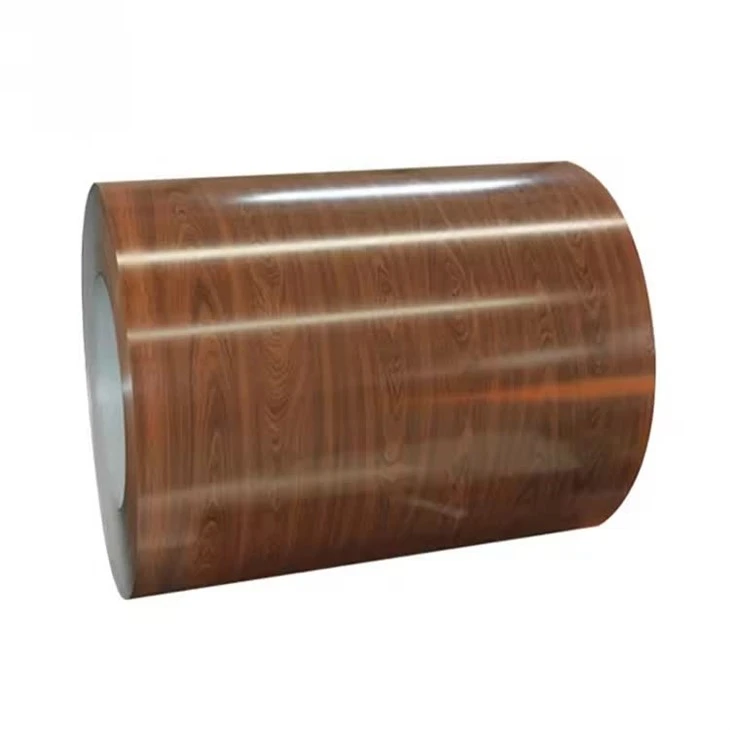
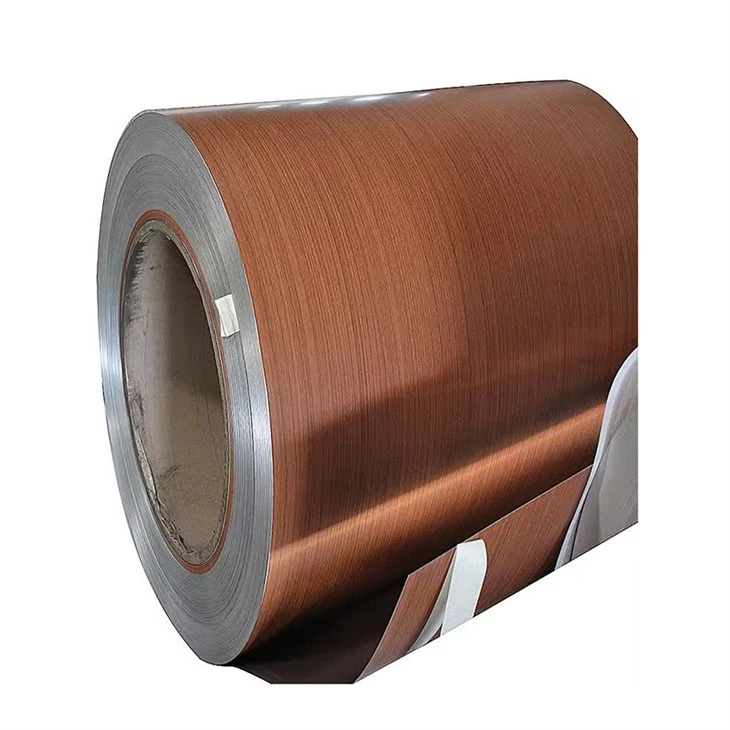
Aluminum coated rolls are made by applying a coating to an aluminum substrate. The coating can serve various purposes, such as enhancing the roll's resistance to corrosion, improving its appearance, or providing additional functionality. Aluminum itself has several properties that make it a promising candidate for food packaging:
Barrier Properties
Aluminum is an excellent barrier material. It can effectively block oxygen, moisture, light, and odors. This is crucial for food packaging as it helps to preserve the quality and freshness of the food inside. Oxygen can cause oxidation of fats and oils in food, leading to rancidity and off - flavors. Moisture can promote the growth of mold and bacteria, while light can degrade vitamins and other nutrients in the food. By using an aluminum coated roll, these factors can be significantly reduced, extending the shelf - life of the food product.
Heat Conductivity
Aluminum has high heat conductivity. This property is beneficial in food packaging, especially for products that need to be heated or cooked. For example, in the case of ready - to - eat meals that are heated in the oven or microwave, the aluminum coating allows for even heat distribution, ensuring that the food is cooked thoroughly and evenly.
Formability
Aluminum is highly formable, which means it can be easily shaped into various packaging forms, such as cans, trays, and pouches. This flexibility in design allows food manufacturers to create packaging that is both functional and visually appealing.
The Coating and Food Safety
The coating on an aluminum roll plays a vital role in determining its suitability for food packaging. Not all coatings are safe for contact with food. When it comes to food packaging applications, the coating must meet strict regulatory requirements.
Regulatory Standards
In many countries, there are specific regulations governing the use of materials in food packaging. For example, in the United States, the Food and Drug Administration (FDA) has established guidelines for food contact substances. These guidelines ensure that the materials used in food packaging do not migrate harmful substances into the food. The coating on an aluminum roll must be approved by the relevant regulatory authorities for food contact use. It should be made from non - toxic, food - grade materials that do not pose a risk to human health.
Types of Coatings
There are different types of coatings that can be used on aluminum rolls for food packaging. One common type is a polymer coating. Polymer coatings can provide a smooth, non - stick surface, which is useful for products like baked goods. They can also enhance the corrosion resistance of the aluminum. Another type is a ceramic coating, which is known for its durability and chemical resistance. Some coatings may also contain additives, such as antioxidants or antimicrobial agents, to further improve the performance of the packaging.
Advantages of Using Aluminum Coated Rolls in Food Packaging
Product Protection
As mentioned earlier, the barrier properties of aluminum coated rolls help to protect the food from external factors. This not only extends the shelf - life of the product but also maintains its quality and nutritional value. For example, in the case of coffee packaging, the aluminum coating prevents the coffee from losing its flavor and aroma by blocking oxygen and moisture.
Branding and Marketing
Aluminum coated rolls can be printed with high - quality graphics and labels. This provides an excellent opportunity for food manufacturers to showcase their brand and product information. The shiny and attractive appearance of aluminum can also enhance the visual appeal of the product on the store shelf, attracting consumers.
Sustainability
Aluminum is a highly recyclable material. Using aluminum coated rolls in food packaging can contribute to a more sustainable packaging solution. Recycling aluminum requires significantly less energy compared to producing new aluminum from raw materials. This helps to reduce the environmental impact of food packaging.
Applications of Aluminum Coated Rolls in Food Packaging
Canned Foods
Aluminum cans are a popular choice for packaging a wide range of food products, such as fruits, vegetables, and beverages. The aluminum coating on the inside of the can protects the food from corrosion and contamination. It also provides a hermetic seal, ensuring the safety and freshness of the product.
Tray Packaging
Aluminum trays are commonly used for packaging products like ready - to - eat meals, frozen foods, and bakery items. The formability of aluminum allows for the creation of trays with different shapes and sizes. The heat conductivity of the aluminum ensures that the food is heated evenly during the cooking process.
Pouch Packaging
Aluminum coated pouches are increasingly being used in food packaging, especially for products like snacks, dried fruits, and pet food. The flexible nature of the pouch makes it convenient for consumers to store and carry the product. The aluminum coating provides an effective barrier against oxygen and moisture, keeping the food fresh.
Considerations for Food Manufacturers
When considering using an aluminum coated roll for food packaging, food manufacturers should take the following factors into account:
Cost
The cost of aluminum coated rolls can be a significant factor. Compared to some other packaging materials, aluminum may be more expensive. However, the benefits in terms of product protection and branding may outweigh the higher cost. Food manufacturers should conduct a cost - benefit analysis to determine if aluminum coated rolls are the right choice for their products.
Compatibility with the Food Product
The type of food product being packaged is also an important consideration. Some foods may be more sensitive to certain coatings or may require specific packaging properties. For example, acidic foods may require a coating that is highly resistant to corrosion. Food manufacturers should work closely with their packaging suppliers to ensure that the aluminum coated roll is compatible with their product.
Conclusion
In conclusion, an aluminum coated roll can be used in food packaging, provided that the coating meets the necessary regulatory requirements for food contact. The properties of aluminum, such as its barrier properties, heat conductivity, and formability, make it a suitable material for food packaging. The coating on the aluminum roll can enhance these properties and provide additional functionality. However, food manufacturers need to carefully consider factors such as cost and compatibility with the food product.
If you are a food manufacturer looking for high - quality aluminum coated rolls for your food packaging needs, we would be delighted to discuss your requirements. Our Coated Aluminum Roll products are designed to meet the strictest regulatory standards and offer excellent performance in food packaging applications. We also offer Painted Aluminium Coil and Pre Painted Aluminium Coil options for various packaging needs. Contact us today to start a procurement discussion and find the best packaging solution for your products.
References
- Food and Drug Administration (FDA). "Guidelines for Food Contact Substances."
- European Food Safety Authority (EFSA). "Regulations on Food Packaging Materials."
- Aluminum Association. "Properties and Applications of Aluminum in Packaging."