

Hey there! As an aluminum sheet coil supplier, I often get asked if aluminum sheet coils can be used in the construction of aircraft. Well, the short answer is yes, and in this blog, I'll dive into the details of why and how aluminum sheet coils play a crucial role in aircraft construction.
Why Aluminum for Aircraft?
Let's start by talking about why aluminum is such a popular choice for aircraft construction. First off, aluminum is incredibly lightweight. When it comes to aircraft, weight is a big deal. The lighter the aircraft, the less fuel it needs to fly, which means cost savings and a smaller environmental footprint. Aluminum has a low density compared to other metals like steel, making it an ideal material for building planes.
Another great thing about aluminum is its strength. Despite being lightweight, aluminum can be made to be very strong. Through processes like alloying and heat treatment, we can create aluminum alloys that have high strength - to - weight ratios. This means that the aluminum parts in an aircraft can withstand the stresses of flight, such as takeoff, cruising, and landing, without adding too much weight.
Aluminum is also highly corrosion - resistant. Aircraft are exposed to a variety of harsh environments, including high altitudes with low temperatures, humidity, and sometimes even saltwater if they fly over the ocean. Corrosion can weaken the structure of an aircraft over time, but aluminum forms a thin oxide layer on its surface that protects it from rust and other forms of corrosion. This helps to ensure the long - term durability of the aircraft.
Using Aluminum Sheet Coils in Aircraft
Now, let's get into how aluminum sheet coils specifically are used in aircraft construction. Aluminum sheet coils are essentially long, continuous strips of aluminum that are wound into a coil. These coils can be cut and formed into various shapes and sizes to make different parts of an aircraft.
One of the most common uses of aluminum sheet coils in aircraft is for the construction of the fuselage. The fuselage is the main body of the aircraft that houses the passengers, cargo, and crew. Aluminum sheets can be shaped and joined together to create a strong and lightweight structure for the fuselage. The smooth surface of the aluminum sheets also helps to reduce drag, which improves the aircraft's aerodynamics.
Wings are another critical part of an aircraft where aluminum sheet coils are used. The wings need to be strong enough to support the weight of the aircraft during flight and flexible enough to withstand the forces of lift and drag. Aluminum sheets can be formed into the complex shapes required for the wings, and they can be reinforced with internal structures made from aluminum extrusions or other materials.
Aluminum sheet coils are also used in the construction of the aircraft's interior. For example, they can be used to make the panels for the walls, ceilings, and floors of the cabin. These panels need to be lightweight, durable, and easy to clean, and aluminum fits the bill perfectly.
Different Types of Aluminum Coils for Aircraft
There are several types of aluminum coils that are suitable for aircraft construction. One type is the Paint Aluminium Coil. Painted aluminum coils not only provide the structural benefits of aluminum but also offer an aesthetic appeal. The paint can be used to add a protective layer on top of the corrosion - resistant oxide layer, and it can also be used to give the aircraft a unique look.
Aluminum Coil Roll is another option. These rolls can be easily transported and stored, and they can be cut to the exact length and width needed for a specific aircraft part. They are very versatile and can be used in a wide range of applications in aircraft construction.
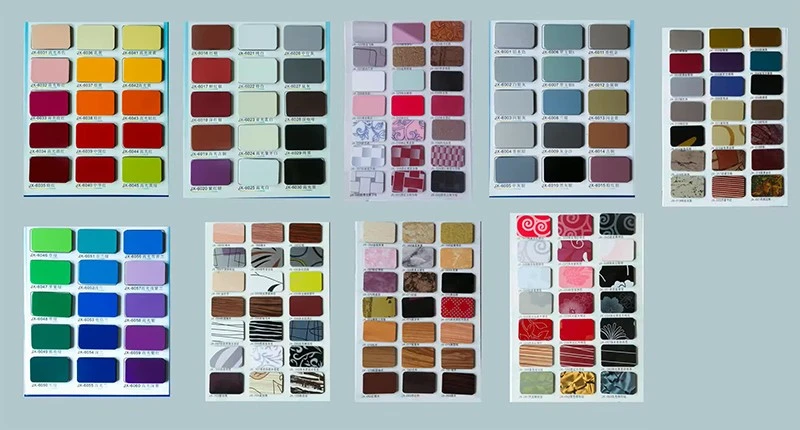
Color Aluminum Coil is also becoming more popular in aircraft design. Color - coated aluminum coils can be used to add branding or decorative elements to the aircraft. They can also be used to create color - coded areas inside the aircraft for safety or organizational purposes.
Quality and Standards
When it comes to using aluminum sheet coils in aircraft construction, quality is of the utmost importance. Aircraft manufacturers have strict quality control standards that they must adhere to. The aluminum coils need to meet specific chemical and mechanical properties, such as the right alloy composition, strength, and hardness.
We, as an aluminum sheet coil supplier, work closely with aircraft manufacturers to ensure that our products meet these high - quality standards. We use advanced manufacturing processes and testing methods to guarantee the quality of our aluminum coils. For example, we perform chemical analysis to check the alloy composition, and we conduct mechanical tests to measure the strength and ductility of the aluminum.

Challenges and Considerations
While aluminum sheet coils offer many advantages for aircraft construction, there are also some challenges and considerations. One challenge is the cost. High - quality aluminum alloys that are suitable for aircraft can be relatively expensive. However, the long - term benefits of using aluminum, such as fuel savings and reduced maintenance costs, often outweigh the initial investment.
Another consideration is the manufacturing process. Forming and shaping aluminum sheets into complex aircraft parts requires specialized equipment and skilled labor. Aircraft manufacturers need to have the right tools and expertise to work with aluminum sheet coils effectively.
Conclusion
In conclusion, aluminum sheet coils are definitely a viable and valuable material for aircraft construction. Their lightweight, strength, corrosion - resistance, and versatility make them an ideal choice for building various parts of an aircraft, from the fuselage and wings to the interior panels. Whether you're looking for Paint Aluminium Coil, Aluminum Coil Roll, or Color Aluminum Coil, we have the products and expertise to meet your needs.
If you're involved in the aircraft manufacturing industry or any other industry that requires high - quality aluminum sheet coils, I encourage you to get in touch with us. We can provide you with detailed information about our products, offer samples for testing, and work with you to find the best solutions for your specific requirements. Let's start a conversation and see how we can help you with your next project.
References
- "Aircraft Materials and Processes" by E. Paul Devereux
- "Aluminum: Properties and Physical Metallurgy" by John E. Hatch