

Hey there! I'm a supplier of ACP for ceiling, and today I want to dig into a question that a lot of clients ask: Can ACP for ceiling be used in high - humidity areas?
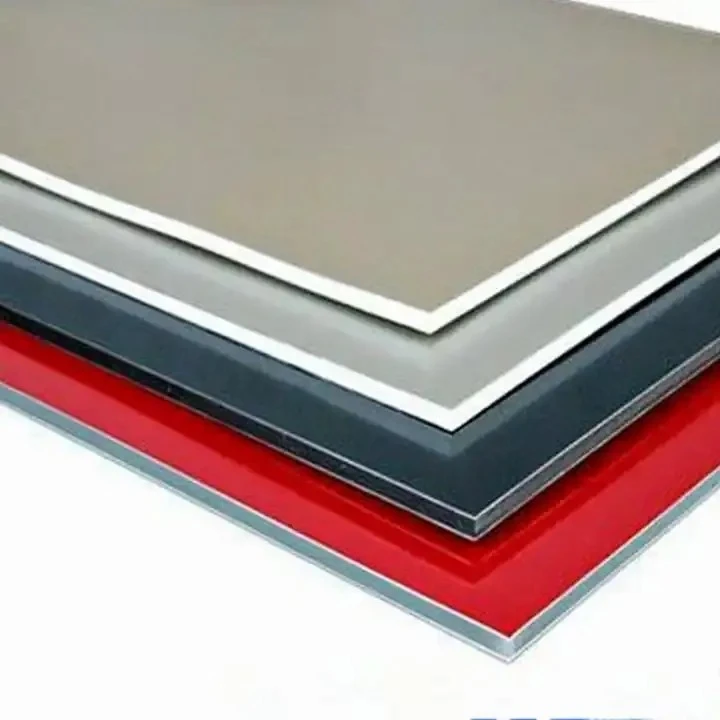
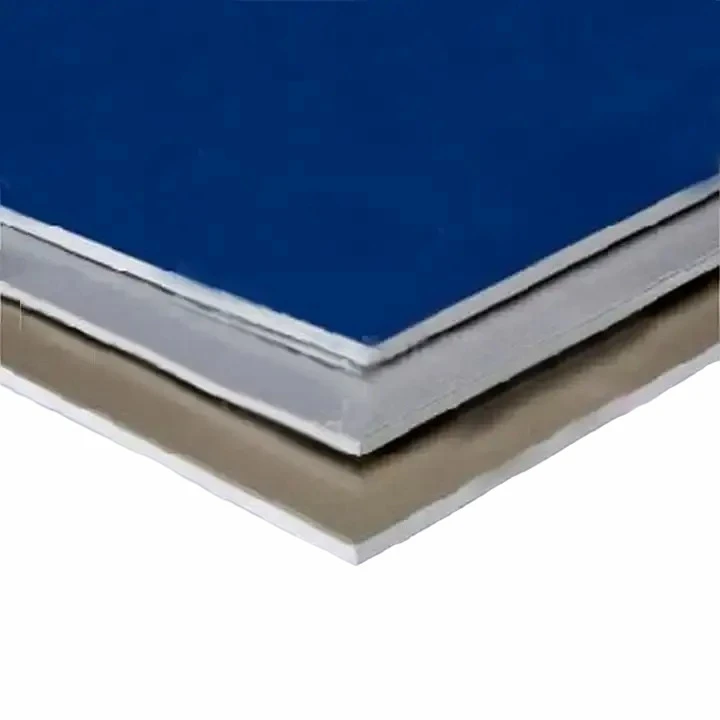
First off, let's talk about what ACP is. ACM Aluminum Composite Panel [/aluminum-composite-panel/acm-aluminum-composite-panel.html] consists of two aluminum sheets bonded to a non - aluminum core. This type of panel is quite popular in the construction industry for ceilings, partitions, and facades. It's gained a reputation for being lightweight, durable, and having an attractive appearance.
So, back to the main question. The thing is, high - humidity areas present a unique set of challenges for building materials. With constant moisture in the air, materials are at risk of corrosion, mold growth, and structural damage. But does this mean ACP for ceiling is a no - go in these areas? Well, it's not that simple.
One of the factors that make ACP a viable option in high - humidity areas is its resistance to moisture. The aluminum outer layers act as a barrier, preventing water vapor from easily penetrating the panel. However, this resistance isn't absolute. If the ACP is exposed to standing water for long periods or if the humidity levels are extremely high and there's no proper ventilation, problems can arise.
For instance, in a bathroom or a swimming pool area, where the humidity is often high, the ACP can start to show signs of wear over time. The edges of the panel might be the first to go. If the sealant around the edges isn't of good quality or has been damaged, water can seep in, leading to delamination of the panel. Delamination occurs when the aluminum sheets separate from the core, which not only looks bad but also weakens the structural integrity of the ceiling.
Another concern is mold growth. Even though the aluminum itself doesn't support mold growth, if there's moisture trapped between the panels or in the core, it can create a perfect breeding ground for mold. This not only affects the aesthetics of the ceiling but can also pose health risks to the occupants of the building.
But don't worry! There are ways to make ACP work well in high - humidity areas. Proper installation is key. The panels need to be installed with a proper gap for ventilation. This allows air to circulate behind the panels, reducing the chances of moisture buildup. Also, using high - quality sealants around the edges and joints can prevent water from getting in.
When it comes to choosing the right ACP for high - humidity areas, Fire Rated ACP Sheets [/aluminum-composite-panel/fire-rated-acp-sheets.html] can be a great option. These sheets often have enhanced weather resistance and moisture - proof properties. They are designed to withstand harsh conditions, including high humidity, and also provide an added layer of fire safety, which is always a plus in any building.
ACP Sheet for Partition [/aluminum-composite-panel/acp-sheet-for-partition.html] can also offer some insights. The same principles that apply to partitions in high - humidity areas can be translated to ceilings. For example, ensuring that the panels are installed in a way that allows for natural drainage of any condensation that might form.
In addition to installation and material selection, maintenance is crucial. Regularly inspecting the ceiling for any signs of damage, such as cracks, peeling, or discoloration, can help catch problems early. If any issues are detected, they should be addressed immediately. This might involve replacing a damaged panel, reapplying sealant, or improving ventilation.
From my experience as a supplier, I've seen ACP ceilings work beautifully in high - humidity areas when the right precautions are taken. For example, in some coastal hotels, where the air is salty and humid, ACP ceilings have been installed with proper ventilation systems and high - quality sealants. These ceilings have withstood the test of time and still look great.
On the flip side, I've also seen cases where improper installation and lack of maintenance have led to problems. It's important to understand that ACP is a great material, but it needs to be treated right, especially in high - humidity environments.
So, to sum it up, yes, ACP for ceiling can be used in high - humidity areas. But it requires careful planning, proper installation, and regular maintenance. When all these elements are in place, ACP can provide a long - lasting and aesthetically pleasing ceiling solution for any high - humidity space.
If you're considering using ACP for your ceiling project in a high - humidity area, I'd love to talk to you. I've got years of experience in the industry and can provide you with the best advice and products for your needs. Whether it's choosing the right type of ACP, getting tips on installation, or understanding maintenance requirements, I'm here to help. Don't hesitate to reach out and start the conversation about your project.
References
- General knowledge from years of experience in the ACP supply industry
- Industry reports on the performance of ACP in different environmental conditions