

Hey there! I'm a supplier of ACM PVDF, and today I wanna chat about whether ACM PVDF can be used in corrosive environments.
First off, let's get to know what ACM PVDF is. ACM stands for Aluminium Composite Material, and PVDF is Polyvinylidene Fluoride. ACM PVDF is basically an aluminium composite panel coated with PVDF resin. This coating gives the panel some really cool properties. PVDF is known for its excellent weather resistance, UV resistance, and chemical resistance.
Now, let's dig into the question of using it in corrosive environments. Corrosive environments can be all sorts of things, like areas with high humidity, exposure to chemicals, or even marine environments where there's a lot of salt in the air.
In high - humidity areas, ACM PVDF does pretty well. The PVDF coating acts as a barrier between the aluminium core of the ACM panel and the moisture in the air. Moisture can cause corrosion in metals over time, but the PVDF coating slows down this process significantly. It's like a protective shield that stops the water molecules from reaching the aluminium and causing rust. For example, in coastal cities where the air is often damp, buildings using ACM PVDF panels on their exteriors can maintain their good looks for a long time without showing signs of corrosion.
When it comes to exposure to chemicals, it depends on the type of chemicals. PVDF is resistant to a wide range of chemicals, including acids, alkalis, and solvents. However, there are some really strong chemicals that can still pose a threat. For instance, concentrated sulfuric acid or some highly reactive organic solvents might be too much for the PVDF coating. But in most normal industrial or commercial settings where the chemical exposure is relatively mild, ACM PVDF can hold up just fine.
Marine environments are another story. The salt in the air near the ocean is a major corrosive agent. Salt can accelerate the corrosion process of metals. But ACM PVDF has a good track record here too. The PVDF coating helps prevent the salt particles from sticking to the panel and causing damage. Many beachfront resorts and coastal warehouses use Brushed Aluminium Composite Sheet made with ACM PVDF for their exterior cladding. These panels not only look great but also withstand the harsh marine conditions for years.
Now, let's talk about the benefits of using ACM PVDF in corrosive environments. First of all, it saves money in the long run. Since it's resistant to corrosion, you don't have to replace the panels as often. You also don't have to spend a lot on maintenance. Regular cleaning is usually enough to keep the panels looking good.
Secondly, it offers design flexibility. ACM PVDF panels come in a variety of colors and finishes. You can choose from Mirror Composite Panel for a sleek, modern look or a more textured finish for a rustic feel. This means you can use it in different architectural styles and still get the corrosion - resistant benefits.
In terms of installation, ACM PVDF panels are relatively easy to work with. They are lightweight compared to some other building materials, which makes transportation and installation quicker and more cost - effective. Whether you're building a small commercial building or a large industrial complex, the installation process won't be a huge headache.
However, there are some limitations. As I mentioned before, extremely strong chemicals can damage the PVDF coating. Also, if the panel is physically damaged, like if it gets scratched or dented, the exposed aluminium core might be more vulnerable to corrosion. So, proper handling and installation are crucial to ensure the long - term performance of ACM PVDF in corrosive environments.
If you're thinking about using ACM PVDF for your project in a corrosive environment, here are some tips. First, make sure to choose a high - quality product. Not all ACM PVDF panels are created equal. Look for panels that have a thick and uniform PVDF coating. You can also ask for test reports or certifications to ensure the product meets the required standards.
Second, during installation, be careful not to damage the panels. Use proper tools and techniques. And if there are any scratches or damages during the installation process, make sure to repair them immediately.
Finally, regular maintenance is key. Clean the panels periodically to remove any dirt, dust, or chemical residues. You can use a mild detergent and a soft cloth to clean the panels.
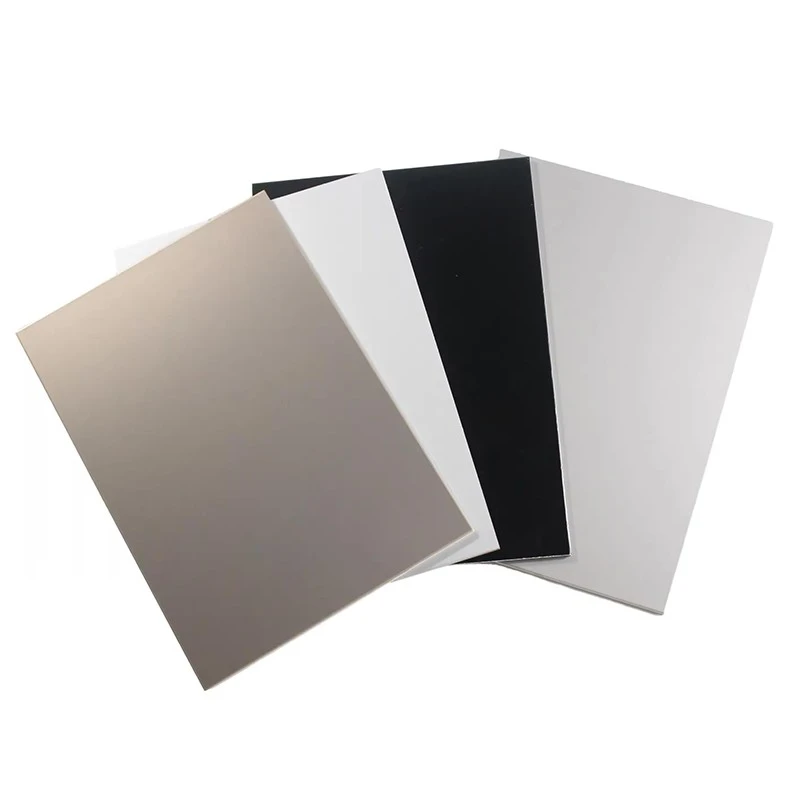

In addition to exterior applications, ACM PVDF can also be used for ACP Interior Wall Cladding. In interior environments, although the risk of corrosion is generally lower, there might still be some factors like moisture from bathrooms or kitchens that could potentially cause problems. ACM PVDF provides an extra layer of protection in these situations.
So, to sum it up, ACM PVDF can definitely be used in many corrosive environments. It has great resistance to humidity, many chemicals, and salt in marine environments. It offers cost - savings, design flexibility, and easy installation. But you need to be aware of its limitations and take proper care during selection, installation, and maintenance.
If you're interested in using ACM PVDF for your project, whether it's for an exterior facade in a coastal area or interior wall cladding in a commercial building, I'd love to have a chat with you. We can discuss your specific needs and find the best ACM PVDF solution for you. Reach out to me, and let's start this exciting journey together!
References:
- Various industry reports on the performance of PVDF coatings in different environments.
- Case studies of buildings using ACM PVDF in corrosive areas.