

In the ever - evolving automotive industry, the search for materials that offer a perfect blend of performance, durability, and cost - effectiveness is a never - ending journey. One material that has been gaining significant attention in recent years is the coated aluminum coil. As a leading supplier of coating aluminum coils, I have witnessed firsthand the growing interest from automotive manufacturers in this innovative product. In this blog, I will explore whether a coated aluminum coil can be used in automotive applications and discuss its potential benefits and challenges.
The Properties of Coated Aluminum Coils
Before delving into automotive applications, it's essential to understand the properties of coated aluminum coils. Aluminum itself is a lightweight metal, which is approximately one - third the weight of steel. This characteristic makes it an attractive option for automotive use, as reducing vehicle weight can improve fuel efficiency, acceleration, and handling.
The coating on the aluminum coil serves multiple purposes. Firstly, it provides protection against corrosion. Aluminum naturally forms a thin oxide layer that offers some level of corrosion resistance. However, in harsh automotive environments, such as exposure to road salt, moisture, and chemicals, this natural protection may not be sufficient. A high - quality coating can act as an additional barrier, extending the lifespan of the aluminum component.
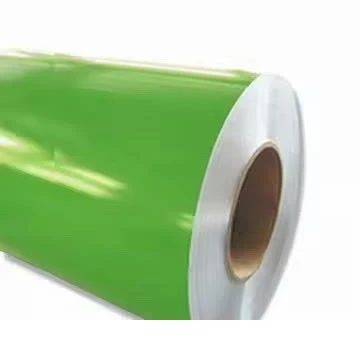
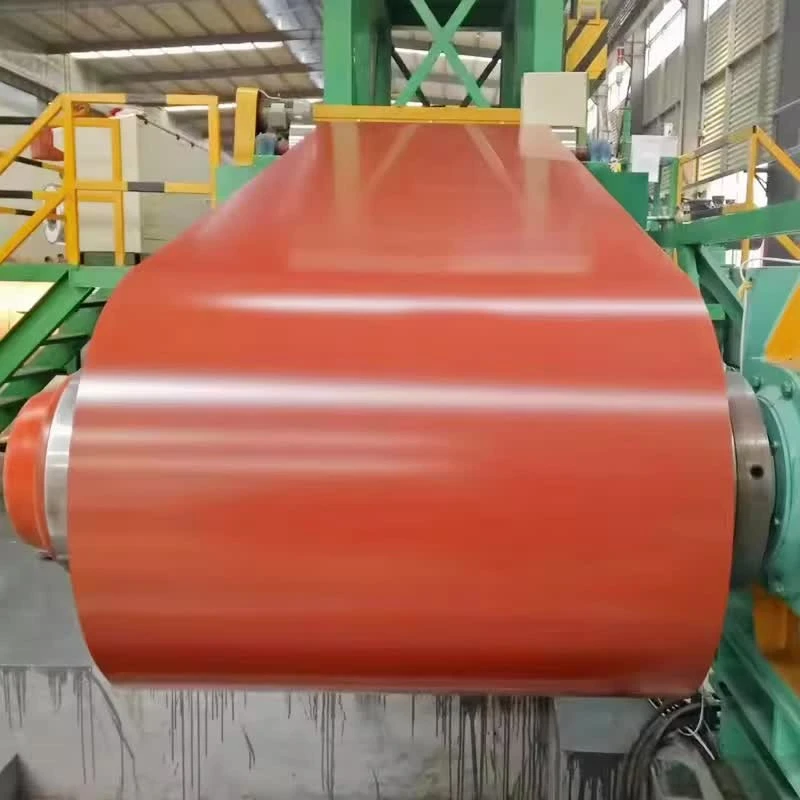
Secondly, the coating can enhance the aesthetic appeal of the aluminum. Automotive designers are always looking for ways to make vehicles stand out, and a well - coated aluminum surface can provide a sleek, modern look. There are various types of coatings available, including Paint Aluminium Coil, which can offer a wide range of colors and finishes.
Potential Automotive Applications
Exterior Body Panels
One of the most obvious automotive applications for coated aluminum coils is in exterior body panels. Using coated aluminum for fenders, hoods, and doors can significantly reduce the overall weight of the vehicle. This weight reduction not only improves fuel economy but also allows for better distribution of weight, which can enhance the vehicle's handling characteristics.
In addition, the corrosion - resistant coating ensures that these body panels maintain their appearance and structural integrity over time. For example, in regions with heavy snowfall where road salt is commonly used, a coated aluminum body panel will be less likely to rust compared to a traditional steel panel.
Interior Components
Coated aluminum coils can also be used in interior automotive components. For instance, dashboard trims, door handles, and center console accents can be made from coated aluminum. The coating can be customized to match the interior design theme of the vehicle, providing a luxurious and high - end look. Moreover, the lightweight nature of aluminum reduces the overall weight of the interior, contributing to the vehicle's fuel efficiency.
Heat Exchangers
Another important application is in heat exchangers, such as radiators and condensers. Aluminum has excellent thermal conductivity, which makes it an ideal material for heat transfer. The coating on the aluminum coil can protect the heat exchanger from corrosion caused by the coolant and the external environment. This helps to maintain the efficiency of the heat exchanger over its lifespan, ensuring proper engine cooling and air - conditioning performance.
Benefits of Using Coated Aluminum Coils in Automotive Applications
Fuel Efficiency
As mentioned earlier, the lightweight nature of aluminum is a major advantage when it comes to fuel efficiency. According to industry research, for every 10% reduction in vehicle weight, fuel consumption can be reduced by approximately 6 - 8%. By using coated aluminum coils in various automotive components, manufacturers can make significant strides in improving the fuel economy of their vehicles, which is not only beneficial for consumers but also for the environment.
Design Flexibility
Coated aluminum coils offer a high degree of design flexibility. The coating can be applied in different colors, textures, and patterns, allowing automotive designers to create unique and eye - catching vehicles. Whether it's a bold and vibrant color for a sports car or a more subdued and elegant finish for a luxury sedan, coated aluminum can meet the design requirements.
Durability
The combination of aluminum's inherent strength and the protective coating makes coated aluminum coils highly durable. They can withstand the rigors of daily driving, including impacts, vibrations, and exposure to various environmental factors. This durability translates into lower maintenance costs for vehicle owners, as components made from coated aluminum are less likely to need frequent replacement.
Challenges and Considerations
Cost
One of the main challenges of using coated aluminum coils in automotive applications is the cost. Aluminum is generally more expensive than steel, and the additional cost of the coating further increases the overall price. However, as the demand for lightweight materials in the automotive industry continues to grow, economies of scale may come into play, reducing the cost difference over time.
Manufacturing Processes
Working with coated aluminum coils requires specialized manufacturing processes. For example, welding coated aluminum can be more challenging than welding steel. Automotive manufacturers need to invest in the appropriate equipment and training to ensure that the components are fabricated correctly. Additionally, the coating must be applied evenly and precisely to achieve the desired performance and aesthetic results.
Recycling
While aluminum is highly recyclable, the presence of the coating can complicate the recycling process. Automotive manufacturers need to develop effective recycling methods to ensure that coated aluminum components can be recycled efficiently. This is an important consideration in the context of sustainable automotive manufacturing.
Conclusion
In conclusion, coated aluminum coils have significant potential in automotive applications. Their lightweight nature, corrosion resistance, aesthetic appeal, and design flexibility make them an attractive option for various automotive components, including exterior body panels, interior components, and heat exchangers. However, challenges such as cost, manufacturing processes, and recycling need to be addressed.
As a supplier of Pre Painted Aluminum Sheet and Aluminum Sheet Coil, I am committed to working with automotive manufacturers to overcome these challenges. We offer high - quality coated aluminum coils that meet the strictest industry standards. If you are an automotive manufacturer or a professional in the automotive industry interested in exploring the use of coated aluminum coils in your projects, I encourage you to reach out to us for further discussion and potential procurement. We are ready to provide you with the best solutions and support to help you achieve your goals in the automotive market.
References
- "Lightweight Materials in Automotive Applications" - Automotive Engineering International Journal
- "Coating Technologies for Aluminum in the Automotive Industry" - Journal of Materials Science and Technology
- "Fuel Efficiency and Lightweighting in the Automotive Sector" - International Energy Agency Report