

Can 3003 Aluminum Coil Be Anodized?
As a reputable supplier of 3003 aluminum coil, I often encounter inquiries regarding the anodizing process of this specific aluminum alloy. Anodizing is a popular surface treatment method that enhances the durability, corrosion resistance, and aesthetic appeal of aluminum products. In this blog post, I will delve into the topic of whether 3003 aluminum coil can be anodized, exploring the process, benefits, limitations, and practical considerations.
Understanding 3003 Aluminum Coil
Before discussing anodizing, it's essential to understand the characteristics of 3003 aluminum coil. 3003 is a non - heat - treatable alloy composed primarily of aluminum, with manganese as the main alloying element (typically around 1.0 - 1.5%). This alloy is known for its excellent formability, good corrosion resistance, and moderate strength. It is widely used in various industries, including construction, automotive, and packaging, due to its versatility and cost - effectiveness.
The Anodizing Process
Anodizing is an electrochemical process that converts the surface of aluminum into a durable, corrosion - resistant oxide layer. The process involves immersing the aluminum in an electrolyte solution and passing an electric current through it. The oxygen ions in the electrolyte react with the aluminum surface, forming a layer of aluminum oxide.
The anodizing process can be divided into two main types: sulfuric acid anodizing and chromic acid anodizing. Sulfuric acid anodizing is the most common method, as it produces a thick, porous oxide layer that can be dyed to a wide range of colors. Chromic acid anodizing, on the other hand, is used mainly for applications where a thin, dense oxide layer is required, such as in aerospace components.
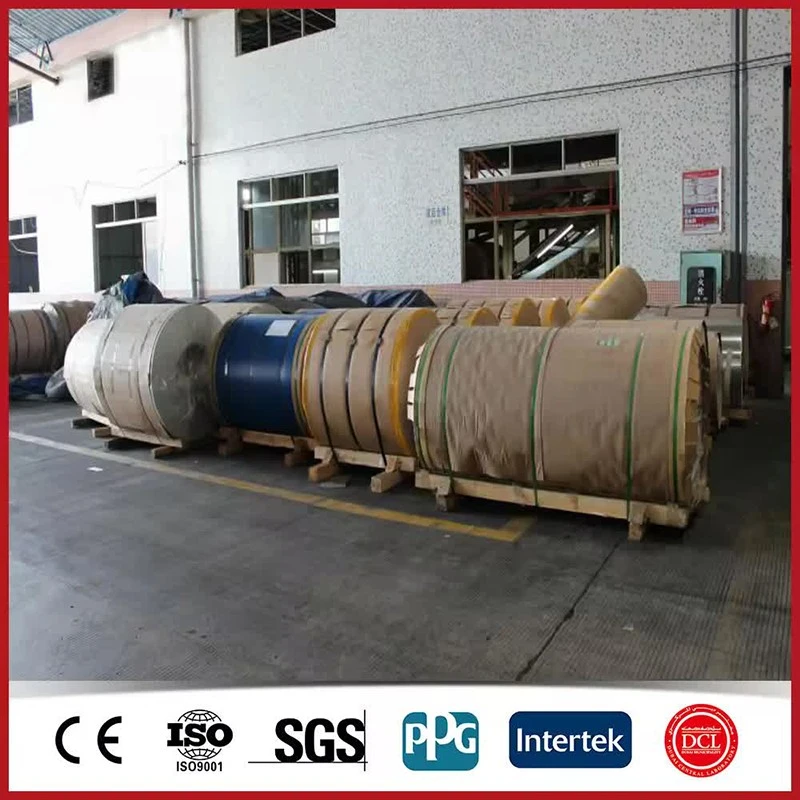
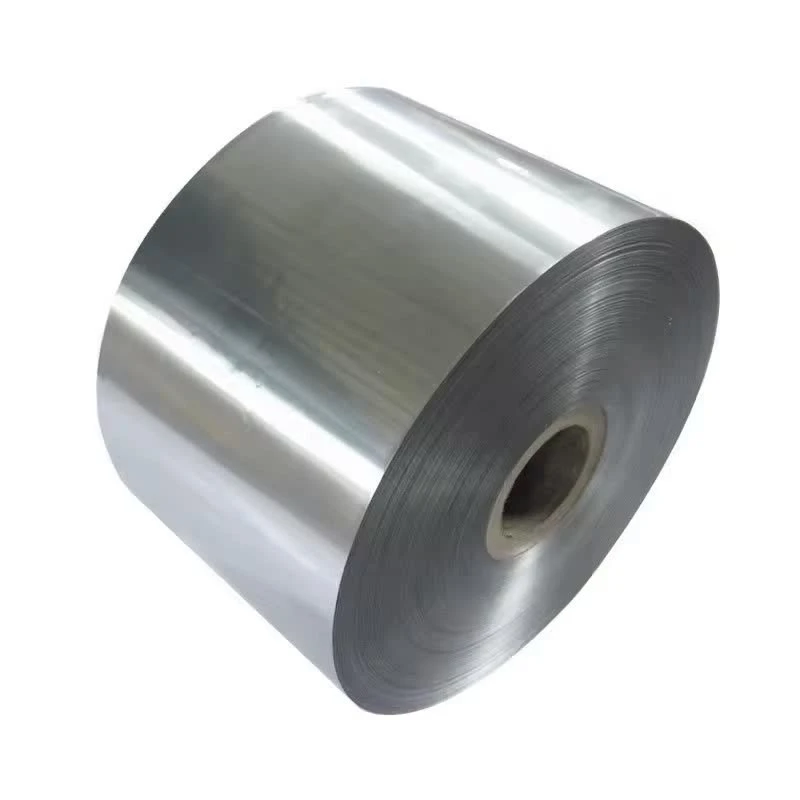
Can 3003 Aluminum Coil Be Anodized?
The answer is yes, 3003 aluminum coil can be anodized. The presence of manganese in the 3003 alloy does not significantly impede the anodizing process. However, there are some factors to consider when anodizing 3003 aluminum coil.
- Surface Finish: The surface finish of the 3003 aluminum coil before anodizing is crucial. Any scratches, pits, or impurities on the surface can affect the quality of the anodized layer. Therefore, it is recommended to perform a thorough cleaning and pre - treatment process, such as degreasing and etching, to ensure a smooth and clean surface.
- Alloy Composition: While 3003 alloy is suitable for anodizing, the exact composition of the alloy can influence the appearance and properties of the anodized layer. For example, variations in the manganese content can affect the color and uniformity of the anodized finish.
- Anodizing Parameters: The anodizing parameters, such as the electrolyte concentration, temperature, and current density, need to be carefully controlled to achieve the desired results. Different anodizing conditions can lead to variations in the thickness, hardness, and color of the anodized layer.
Benefits of Anodizing 3003 Aluminum Coil
Anodizing 3003 aluminum coil offers several benefits:
- Enhanced Corrosion Resistance: The anodized oxide layer acts as a barrier, protecting the underlying aluminum from corrosion. This makes 3003 aluminum coil more suitable for outdoor applications and environments with high humidity or chemical exposure.
- Improved Durability: The anodized layer is harder and more wear - resistant than the natural aluminum surface, increasing the lifespan of the aluminum coil.
- Aesthetic Appeal: Anodizing allows for a wide range of color options, enabling designers to achieve different visual effects. This makes 3003 aluminum coil a popular choice for architectural and decorative applications.
- Low Maintenance: Anodized 3003 aluminum coil requires minimal maintenance, as the anodized layer is resistant to fading, chipping, and peeling.
Limitations of Anodizing 3003 Aluminum Coil
Despite its many benefits, anodizing 3003 aluminum coil also has some limitations:
- Cost: Anodizing is a relatively expensive process compared to other surface treatment methods, such as painting or powder coating. The cost includes the equipment, chemicals, and energy required for the anodizing process.
- Color Matching: Achieving a precise color match can be challenging, especially when anodizing large batches of aluminum coil. Variations in the alloy composition, anodizing parameters, and dyeing process can result in slight color differences.
- Limited Thickness: The thickness of the anodized layer is limited, typically ranging from 5 to 25 microns. This may not be sufficient for applications that require a very thick protective layer.
Practical Considerations
When considering anodizing 3003 aluminum coil, the following practical considerations should be taken into account:
- Application Requirements: Determine the specific requirements of your application, such as corrosion resistance, durability, and aesthetic appeal. This will help you decide whether anodizing is the most suitable surface treatment method.
- Budget: Consider the cost of anodizing and compare it with other surface treatment options. Evaluate the long - term benefits and cost - effectiveness of anodizing in relation to your project.
- Supplier Selection: Choose a reliable anodizing supplier with experience in anodizing 3003 aluminum coil. A professional supplier can provide high - quality anodizing services and ensure consistent results.
In addition to anodizing, we also offer other surface treatment options for 3003 aluminum coil, such as Painted Aluminum Coil, Pre Painted Aluminum Coil, and Coating Aluminum Coil. These options can provide different levels of protection and aesthetic effects, depending on your specific needs.
If you are interested in purchasing 3003 aluminum coil or have any questions about anodizing or other surface treatment options, please feel free to contact us. Our team of experts is ready to assist you in finding the best solution for your project.
References
- Aluminum Association. Aluminum Standards and Data.
- ASM Handbook, Volume 5: Surface Engineering.
- Anodizing Manual, published by the Aluminum Anodizers Council.